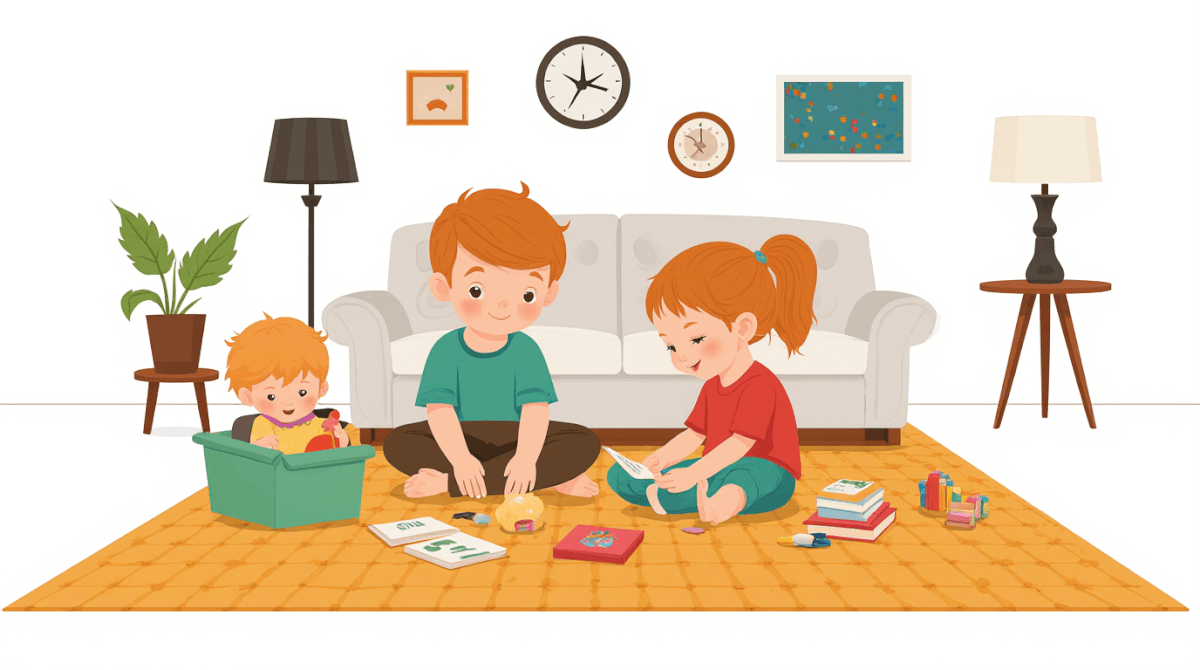
Secure attachment is a bond formed between an infant and their primary caregiver characterized by mutual trust and responsiveness. When a child experiences consistent care and emotional support, they develop a sense of safety and stability that allows them to explore their environment confidently. When a baby cries, a responsive parent soothes the child, reducing distress and fostering feelings of security. Over time, this pattern reinforces in the child an understanding that their needs are met and that the world is a reliable place.
The role of secure attachment extends beyond infancy; it serves as a foundation for developing healthy independence in later years. As children grow, they begin to navigate social situations independently, relying on internalized beliefs about themselves and others. These beliefs stem from early experiences with caregivers, which shape their self-perception and expectations of the world around them. A child who has experienced secure attachment is more likely to view themselves as capable and worthy of trust in relationships.
The environment plays a significant role in shaping these emotional foundations. A nurturing home atmosphere where children feel valued and understood encourages exploration and risk-taking, essential components for developing independence. An emotionally neglectful or abusive environment can lead to insecure attachments, causing children to develop defensive strategies that hinder their ability to form secure connections later in life.
Consider a child who grows up with a caregiver who frequently dismisses their feelings or reacts unpredictably. This child might learn to suppress emotions to avoid further negative responses from the caregiver. Over time, this adaptive mechanism can become maladaptive, leading to difficulties in forming trusting relationships and making independent decisions. Children raised in environments where caregivers are consistently attuned to emotional needs tend to develop better social skills and higher self-esteem, facilitating healthy independence.
Cultural factors also influence how secure attachment is formed and its impact on development. Different cultures have varying expectations for parenting styles and child-rearing practices. Some cultures may prioritize collectivist values over individual autonomy, while others emphasize personal independence from an early age. These cultural norms can shape the emotional landscape of children’s lives, influencing their sense of self and capacity for independent action.
The impact of secure attachment on healthy independence is evident in various real-life scenarios. Take, a teenager who grew up with parents who provided consistent emotional support during childhood. This young person is likely to develop confidence in their abilities, leading them to seek out opportunities for self-determination and personal growth. They might engage more actively in extracurricular activities or pursue academic interests without feeling overwhelmed by fear of failure. A teenager from an environment where caregivers are emotionally distant may struggle with making decisions due to insecurities about their capabilities.
The process through which secure attachment influences independence is complex yet crucial. Initially, it involves the child developing a sense of self-worth and understanding that their needs matter. Over time, this internalized belief system allows them to engage in problem-solving and decision-making without excessive reliance on external validation. A securely attached adolescent might be more likely to approach challenges with resilience rather than giving up when faced with setbacks.
Secure attachment fosters the ability to regulate emotions effectively. Children who experience emotional support from caregivers learn coping mechanisms that help them manage stress and adversity. This emotional regulation is vital for developing healthy independence because it enables individuals to navigate complex social situations confidently. A securely attached young adult might handle workplace conflicts more adeptly due to their capacity for self-soothing and empathetic communication.
The influence of secure attachment on emotional regulation extends beyond individual behavior into interpersonal relationships. Securely attached individuals tend to form healthier romantic partnerships because they have developed trust in others. They are less likely to engage in unhealthy behaviors such as manipulation or codependency, which can undermine independence. A securely attached adult might choose partners who support their goals and encourage personal growth rather than those who seek to control or diminish them.
In summary, the emotional foundation of healthy independence is deeply rooted in secure attachment—a bond formed through consistent care and emotional responsiveness during early childhood. This mechanism shapes an individual’s self-perception, emotional regulation skills, and ability to form secure connections with others. The environment and cultural context play significant roles in nurturing or hindering these processes. By fostering a supportive home atmosphere that values emotional expression and understanding, caregivers can lay the groundwork for children to develop the confidence and resilience needed for healthy independence throughout their lives.
While secure attachment is not the only factor influencing emotional development, it serves as a critical foundation for building healthy independence. The interplay between internal psychological processes and external environmental factors underscores the complexity of this relationship, highlighting the importance of early experiences in shaping an individual’s ability to navigate life with confidence and self-reliance.
References:
1. Bowlby, J. (1988). A secure base: Parent-child attachment and developmental psychology. Routledge.
2. Main, M., & Hesse, E. (1990). Models of the self and other in attachment and psychopathology: Evidence from the study of insecurity in the infant–mother relationship and the adult romantic relationship. In J. Stevenson-Hinde & R. Steele (Eds.), Attachment and Psychopathology (pp. 64-95). Oxford University Press.