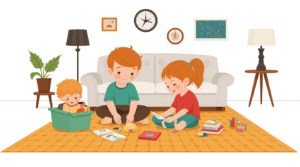
Affection forms the warmest thread in this tapestry, often serving as the foundation upon which all other emotional experiences are built. The warmth and comfort derived from affectionate interactions create a sense of security within the child. What might appear to be straightforward acts of love can become nuanced when scrutinized through the lens of psychological reflection. While such emotions provide a nurturing environment conducive to growth, they also carry potential risks. Overly effusive displays of affection or overly rigid emotional boundaries can both lead to developmental challenges.
Excessive parental warmth and attention might result in children who struggle with self-reliance, constantly seeking validation from external sources rather than developing internal resilience. A lack of sufficient emotional support or inconsistent responses from parents could cause significant psychological distress, leading to feelings of inadequacy and insecurity that may persist into adulthood.
Consistency emerges as another critical yet challenging aspect in the emotional climate created by parents. Consistent routines provide structure, predictability, and stability—essential elements for children’s mental health and development. Consistency can also become burdensome or even oppressive if it is overly rigid or lacking flexibility to accommodate changing needs. A parent who adheres strictly to a schedule without room for spontaneous interaction might inadvertently foster an environment of compliance over creativity.
The complexity arises when parents must navigate the balance between providing necessary structure and allowing natural exploration and growth. Overly strict adherence to routines can stifle a child’s sense of autonomy and curiosity, potentially leading them to feel trapped or constrained by their surroundings. Too much flexibility could result in chaos, making it difficult for children to develop essential organizational skills.
Emotional presence adds another layer of complexity to this intricate emotional climate. Parents who are emotionally present tend to be more attuned to their child’s needs and emotions, fostering a deeper connection that can have profound psychological benefits. The concept of “emotional presence” itself is not static; it involves understanding one’s own emotional state while also being fully engaged with the child.
Consider a parent who prioritizes their professional responsibilities over spending quality time with their child. While this might reflect a commitment to financial stability and personal growth, such an approach can lead to feelings of neglect or disconnection in the child. Parents who are overly immersed in emotional support may inadvertently create dependency issues where children feel unable to manage emotions independently.
The interplay between these elements—affection, consistency, and presence—creates a dynamic system that influences both immediate and long-term psychological outcomes for children. Each parent’s unique balance of these factors shapes the child’s internal world, influencing their self-perception, emotional regulation, and overall mental well-being.
One central contradiction lies in the fact that while all three components are necessary for healthy development, they often present conflicting demands on parents. Affection might require more spontaneity and unpredictability, whereas consistency necessitates structure and stability. Similarly, presence involves both an active engagement with the child’s emotional state and a recognition of one’s own emotions.
Navigating these tensions requires not just awareness but also continuous adjustment based on the changing needs of the growing child. As children transition from early childhood to adolescence, their emotional landscapes transform significantly. What might have worked in nurturing emotional development during infancy may need recalibration for teenage years where peer relationships and self-identity become paramount.
Parental emotions themselves are not immune to these challenges. Parents who strive to be affectionate, consistent, and emotionally present often face personal psychological struggles that can impact their interactions with their children. A parent dealing with unresolved emotional issues from their own childhood might inadvertently project those dynamics onto their child, leading to unintended patterns of behavior.
The emotional climate created by parents is a nuanced construct shaped by complex interplays between affection, consistency, and presence. While each component offers critical benefits for child development, they also present significant challenges that require careful navigation. The psychological journey of parenting involves not only providing a nurturing environment but also understanding and addressing one’s own emotional landscape to ensure the best possible outcomes for their children.
This exploration highlights how even seemingly straightforward aspects like affection or consistency can carry profound implications when viewed through a psychological lens. It underscores the importance of recognizing these complexities, acknowledging them without judgment, and continuously adapting parenting strategies to meet evolving needs. The journey towards becoming an emotionally attuned parent is ongoing, with each challenge offering opportunities for growth both personally and intergenerationally.
By maintaining this reflective stance, parents can better understand their roles in shaping not only immediate behaviors but also long-term psychological well-being. This approach fosters a more nuanced appreciation of parenting as a deeply personal yet universally shared experience—one that continues to evolve alongside the complex emotional tapestry it seeks to create.
Related Reading
– Pam Leo – Connection Parenting
– Jane Nelsen – Positive Discipline