
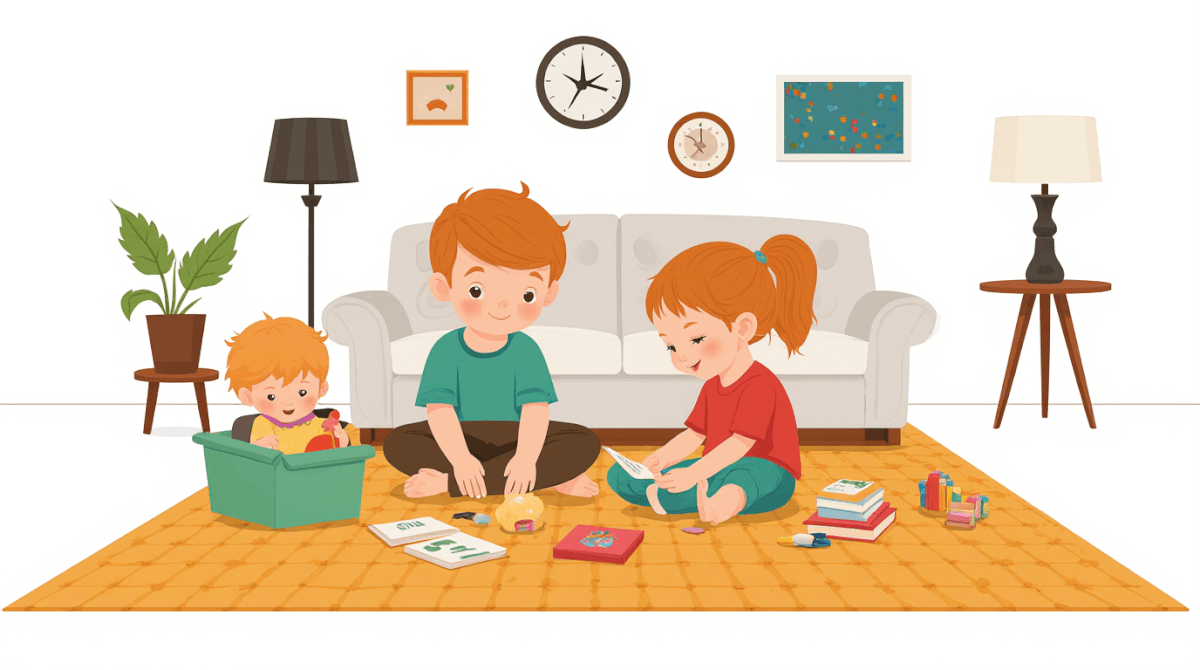
From infancy, infants rely heavily on their primary caregivers for physical and emotional sustenance. These early interactions are crucial in establishing a sense of trust and security. When an infant cries and is promptly soothed by a caregiver, this experience reinforces the idea that help and comfort are available in times of need. Over time, these experiences accumulate to form a secure base from which the child can explore the world with confidence. This secure attachment is foundational because it allows the child to develop a belief in their own safety and well-being.
The process of forming an emotional blueprint is not always straightforward. The balance between support and overprotection is delicate. While a supportive environment is essential for fostering emotional resilience, overprotective behavior can stifle a child’s ability to navigate challenges independently. If a parent consistently steps in to resolve every small conflict or discomfort the child encounters, the child may develop a reliance on external validation rather than learning to manage their emotions internally. This overprotection can undermine the child’s self-regulation skills, making it harder for them to handle stress and adversity on their own.
Environments that encourage independence and self-reliance can lead to healthier emotional development. When children are given appropriate opportunities to make decisions and face challenges, they learn to navigate their emotions in a more nuanced way. Allowing a young child to resolve a minor disagreement with a sibling or to experience the natural consequences of a mistake can foster a sense of autonomy and competence. These experiences help build self-regulation skills, enabling children to manage their feelings more effectively.
The role of communication in shaping emotional security is also significant. Open and honest dialogue between caregivers and children can provide a safe space for children to express their emotions and thoughts. When caregivers listen attentively and validate the child’s feelings, they are creating an environment where emotions are viewed as natural and important. This validation can lead to the development of a more positive self-image and greater emotional intelligence. Acknowledging a child’s disappointment after a playdate goes awry can help them process their emotions and learn coping strategies.
When caregivers dismiss or invalidate children’s feelings, this can have detrimental effects on emotional development. In such cases, the child may learn to suppress their emotions or develop a sense of shame around expressing vulnerability. Over time, this can lead to emotional repression and difficulties in forming healthy relationships later in life. If a parent consistently downplays a child’s fears or concerns, the child may internalize the belief that their feelings are not valid or important, leading to a more guarded and emotionally distant approach.
Identity formation is another critical aspect of the emotional blueprint. The experiences and interactions during early childhood play a significant role in shaping a child’s sense of self. Caregivers’ attitudes toward their child’s interests, abilities, and personality can influence how the child perceives themselves. When caregivers provide encouragement and support for a child’s unique strengths, the child is more likely to develop a positive self-image. If a caregiver constantly criticizes or belittles the child, the child may internalize negative beliefs about themselves, which can negatively impact their self-esteem and confidence.
The cumulative effect of these interactions over time is that the child begins to develop a coherent narrative of who they are. This narrative is informed by the emotional responses and validation—or lack thereof—from caregivers. Over time, this narrative shapes how the child perceives their place in the world and how they interact with others. A child who receives consistent validation and support may develop a strong sense of self-worth and resilience, while a child who experiences criticism and rejection may struggle with self-doubt and insecurity.
The emotional blueprint is not static; it evolves as children grow and encounter new situations. The foundation laid during early childhood significantly influences later emotional development. As children enter adolescence, the emotional patterns and coping mechanisms they have developed can either support or hinder their ability to navigate the challenges of this transitional period. A child who has built strong emotional resilience through supportive interactions may be better equipped to handle the emotional demands of teenage years, such as academic pressures or social conflicts.
A child who has experienced significant emotional neglect or criticism may find it challenging to develop healthy coping strategies and may struggle with anxiety, depression, or other mental health issues. The cumulative impact of these early interactions is evident in how adolescents manage their emotions and relationships, underscoring the lasting influence of the emotional blueprint formed during the earliest years.
The emotional blueprint formed before adolescence is a dynamic process shaped by everyday family interactions. These interactions, whether supportive or overprotective, lay the groundwork for emotional security, confidence, identity, and self-regulation. The cumulative effect of these experiences can have profound and lasting impacts on a child’s emotional well-being and their ability to navigate the challenges of growing up. By understanding the psychological mechanisms at play, caregivers and educators can work to create environments that foster healthy emotional development, ultimately shaping a positive foundation for the future.
Related Reading
– Donald Winnicott — Playing and Reality
– Jerome Bruner — The Culture of Education



