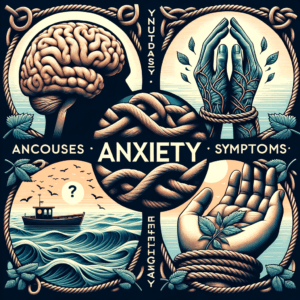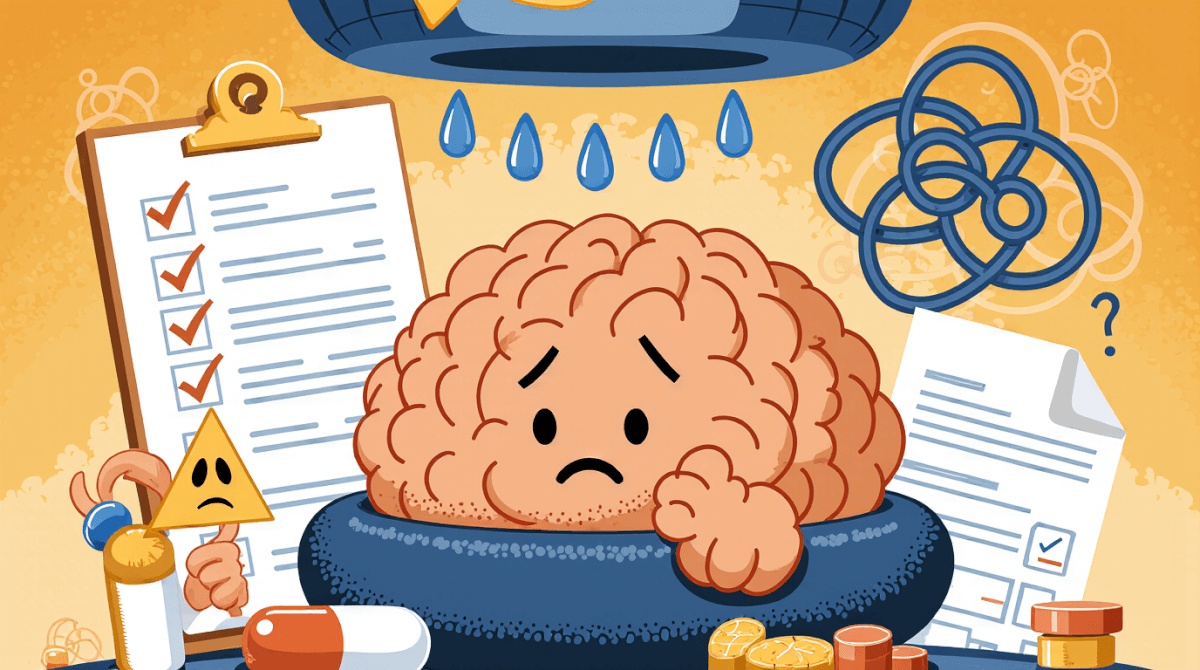
Mental overload is a common consequence of repressed anger. When individuals constantly suppress their feelings, they create a backlog of unexpressed emotions. This backlog manifests as a constant mental stimulus, which can be overwhelming. Imagine carrying a heavy backpack everywhere you go; the weight eventually becomes unbearable, making simple tasks more challenging and life itself increasingly difficult to navigate. Similarly, repressed anger can create a mental burden that makes everyday activities more stressful.
The impact of this mental overload extends beyond just feeling overwhelmed. It can fragment attention, making it harder to focus on tasks or engage in conversations. Think of trying to concentrate on reading a book while simultaneously feeling frustrated about something that happened earlier. The frustration can distract from the text, making it difficult to grasp the content and leading to a diminished experience of the activity. This distraction can be particularly pronounced in situations where one is expected to remain calm or composed, such as during a professional meeting or a social gathering.
Emotional neglect, often intertwined with repressed anger, exacerbates this effect. When individuals grow up in environments where their emotions are consistently invalidated or ignored, they may develop a deep-seated fear of expressing themselves. This fear can manifest as a general avoidance of emotional experiences, leading to a cycle of suppressed emotions. The constant pressure to remain emotionally distant can result in a state of hypervigilance, where every situation is potentially laden with unexpressed anger, leading to heightened anxiety and stress.
The importance of attention, rest, boundaries, and reflection cannot be overstated in managing the effects of repressed anger. Attention is key because it allows individuals to recognize when their emotions are starting to overwhelm them. By acknowledging these feelings, even if only briefly, one can begin the process of processing and releasing them. Rest, particularly sleep, is crucial as it provides a natural reset for the mind and body. During rest, the brain has the opportunity to process emotional experiences more effectively, reducing the intensity of repressed emotions.
Boundaries are also essential in managing repressed anger. Setting clear personal boundaries can help individuals avoid situations that trigger their suppressed emotions. This does not mean avoiding life; rather, it means being mindful of one’s limits and taking steps to protect oneself from emotional triggers. Reflection, whether through journaling, therapy, or other forms of self-exploration, is a powerful tool for understanding the root causes of repressed anger. By delving into these feelings, individuals can gain insight into their emotional history, which can be transformative in breaking cycles of avoidance and promoting healthier emotional expression.
Patterns of behavior associated with repressed anger often become evident through repeated episodes of irritability, frustration, or even aggression. These behaviors are not just random outbursts but are manifestations of unexpressed emotions. Recognizing these patterns is the first step towards understanding the underlying emotional dynamics at play. Someone who consistently feels angry in traffic may be repressing frustration from other areas of their life, such as work or personal relationships.
Inner states associated with repressed anger can be subtle yet pervasive. Individuals may experience a sense of constant irritation, a feeling that nothing is quite right, or a general state of dissatisfaction. These states can be difficult to pinpoint but are often a sign that unexpressed emotions are at play. Over time, these inner states can contribute to a pervasive sense of dissatisfaction with life, making it challenging to find joy in everyday experiences.
Awareness is the key to managing the effects of repressed anger. By becoming more attuned to one’s emotional landscape, individuals can begin to address the root causes of their feelings. This process requires patience and self-compassion, as unearthing repressed emotions can be emotionally taxing. The benefits of this awareness are profound, as it allows for a more authentic and fulfilling life.
The effects of repressed anger are far-reaching and can significantly impact one’s mental and emotional well-being. By understanding the mechanisms behind repressed anger and recognizing its subtle yet pervasive effects, individuals can take steps to manage these emotions more effectively. While this process may be challenging, it offers a pathway to greater emotional clarity and well-being.