Trust forms a fundamental cornerstone of our interpersonal relationships, particularly during early childhood when the brain is rapidly developing. The development of trust through consistent care operates as a pivotal mechanism that influences how children perceive and interact with their environment. Trust, in this context, refers to the belief in the reliability and predictability of others, which is essential for healthy emotional, social, and cognitive growth. This essay will delve into the intricate process by which consistent care fosters trust, illustrating its impact on a child’s overall development through specific environmental factors and early experiences.
From birth, infants are highly dependent on caregivers to meet their basic needs such as feeding, comfort, and safety. The quality of this interaction sets the stage for future relationships and emotional security. Consistent care means that a caregiver provides reliable responses to an infant’s needs, creating a predictable environment where trust can flourish. When a baby cries because they are hungry, if their mother consistently responds promptly with feeding time, the child learns that their needs will be met in a timely manner. This consistency helps build a sense of security and reliability within the child.
The psychological phenomenon known as attachment theory provides insight into this process. Proposed by psychologist John Bowlby, the theory suggests that infants form attachments to caregivers who provide consistent care, fostering trust and emotional stability. Securely attached children are more likely to explore their environment confidently because they believe that a caregiver will be available if needed. Children with insecure attachment may struggle in social situations due to doubts about others’ reliability. A child who experiences inconsistent responses from caregivers might develop anxiety or insecurity when separating from them, as the predictability of care is not consistently present.
Consistent care also impacts cognitive development by providing a stable foundation for learning and exploration. When infants receive predictable routines and consistent attention, their brains are better equipped to process information effectively. If a caregiver reads stories every night before bedtime in the same cozy environment, the child begins to associate the act of reading with positive emotions such as comfort and safety. Over time, this association can enhance language skills, memory, and overall cognitive functioning. The predictability of these experiences helps children develop the mental frameworks necessary for learning and retaining new information.
Consistent care contributes significantly to a child’s social development by reinforcing pro-social behaviors and interpersonal skills. When caregivers model trustworthiness and reliability through their actions, children learn the importance of being trustworthy themselves. A caregiver who consistently keeps promises such as returning home from work on time teaches the value of integrity and dependability. This consistent demonstration can lead to better peer relationships in school settings where children are more likely to form friendships based on mutual trust and respect.
The influence of cultural and social contexts further underscores the importance of consistent care in fostering trust. Different cultures may place varying levels of emphasis on communal versus individualistic values, which can shape how caregivers interact with their children. In collectivist societies, the emphasis might be more on community-based trust where children learn to rely not just on immediate family but also extended networks of support. Consistent care within this context would involve not only nurturing relationships with nuclear family members but also building a broader social network that consistently supports the child’s development.
In addition to cultural influences, early educational environments can significantly impact how consistent care translates into trust. Preschools and childcare centers play crucial roles in reinforcing the values of trust and reliability established at home. Teachers who provide consistent support and guidance help children navigate new situations with confidence. A teacher who consistently follows routines and provides clear instructions helps children understand that they can depend on adults to guide them through unfamiliar environments.
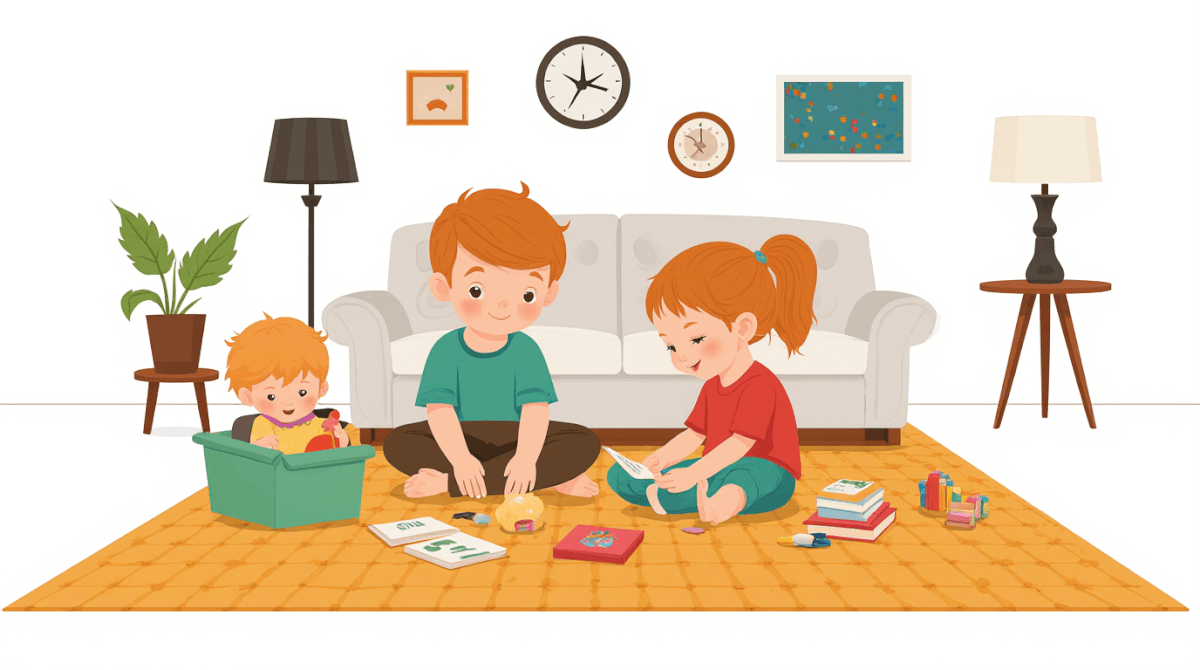
The environment itself also plays a critical role in shaping how consistent care fosters trust. A safe, nurturing space where children feel secure is essential for building strong attachments. This includes physical safety (like a clean, well-maintained facility) as well as emotional safety (creating an atmosphere of warmth and acceptance). A playroom that is consistently organized with age-appropriate toys and a calm demeanor from caregivers ensures that children feel comfortable exploring their surroundings.
The development of trust through consistent care is a multifaceted process deeply intertwined with various environmental factors. From early interactions between caregivers and infants to the broader social and cultural contexts in which these relationships are embedded, consistency plays an irreplaceable role in fostering emotional security and reliable expectations. By understanding this mechanism, we can better appreciate how nurturing environments contribute to holistic development, setting children up for success not only in their immediate surroundings but also in their lifelong pursuits of trust and reliability.
References:
Bowlby, J. (1982). Attachment and loss: Vol. 1. Attachment. Basic Books.
Thompson, R. A. (2007). The development of attachment and peer relationships in infancy. In M. H. Bornstein (Ed.), Handbook of parenting: Biology and ecology of parenting (Vol. 3, pp. 385-416). Lawrence Erlbaum Associates.