
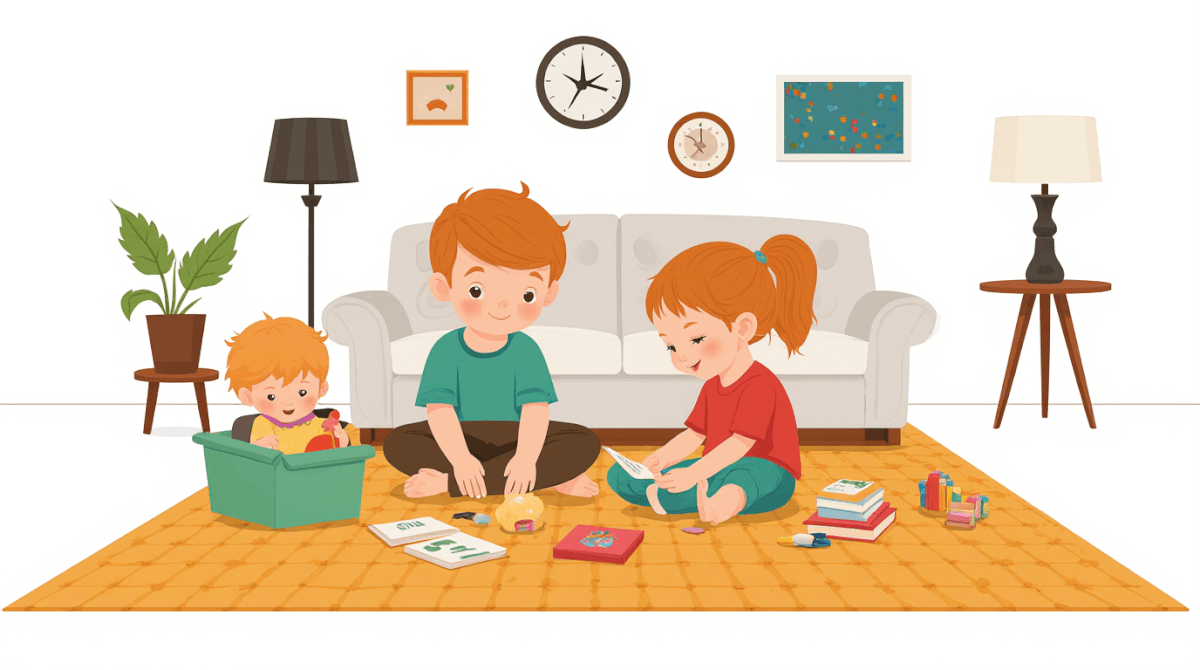
Social awareness, the ability to understand and empathize with others’ emotions, thoughts, and experiences, is a fundamental aspect of human development. This process begins early and is significantly influenced by the environment and supportive relationships children encounter. One specific mechanism that highlights this influence is the role of emotional support from caregivers during interactions such as play. Through these interactions, children develop an understanding of social norms, emotions, and empathy, which are crucial components of their overall social awareness.
To explore how emotional support shapes social awareness, it is essential to first understand the nature of emotional support in early environments. Emotional support can be defined as the presence of a caregiver who is attentive, responsive, and nurturing toward a child’s emotional needs. This can manifest in various ways—through verbal reassurance, physical comfort, or simply providing a stable and loving environment. Children receive signals from caregivers regarding appropriate behavior, emotions, and social interactions, which serve as foundational building blocks for their social awareness.
When a caregiver reacts with warmth and understanding to a child’s emotional outbursts, the child learns that it is okay to express feelings and that others will provide support in such moments. This experience helps build resilience and self-regulation skills, essential aspects of developing social competence. As children engage more frequently with their caregivers, they internalize these responses, learning to interpret and manage emotions effectively.
A critical aspect of this process involves the concept of emotional attunement, where caregivers recognize and validate a child’s feelings. This can be seen during play activities when a caregiver acknowledges the child’s excitement or frustration about a game or task. By reflecting back these emotions in an empathetic manner, the caregiver reinforces the importance of recognizing and understanding others’ feelings. Over time, children begin to apply this skill in social interactions beyond those with caregivers, such as among peers.
Emotional support during play also facilitates role-playing scenarios where children practice taking on different roles and perspectives. When a child acts out being a parent or teacher while playing, they are not only developing their own identity but also learning to understand the feelings of others in those roles. This type of pretend play is crucial as it allows children to explore various social situations and scenarios, thereby enhancing their capacity for empathy.
Another important factor to consider is the consistency and reliability of emotional support provided by caregivers. When a child consistently receives supportive responses from a caregiver across different contexts—whether at home or in school—their social awareness develops more robustly. Consistent support helps build trust, which is fundamental to forming healthy relationships with others later in life.
Research has shown that children who grow up in environments where they receive consistent emotional support are better equipped to handle complex social situations and develop strong interpersonal skills. A study by Gottman (2017) highlighted how secure attachment, often fostered through reliable emotional support, leads to better outcomes in childhood friendships and later adult relationships.
The quality of interactions between caregivers and children during emotionally charged moments is also critical. These moments serve as teaching opportunities where children can learn to manage their emotions and understand the impact of their actions on others. If a caregiver handles a child’s temper tantrum with patience and understanding, the child learns that it is acceptable to express strong feelings but also that there are appropriate ways to do so.
Environments lacking emotional support may hinder social awareness development. Children in such settings might struggle to recognize and regulate their emotions effectively, leading to difficulties in forming meaningful relationships later on. A study by Bowlby (1980) emphasized the importance of responsive caregiving for healthy emotional development, noting that children who experience neglect or inconsistent care often exhibit higher levels of social isolation and poor peer interactions.
As children grow older, they continue to refine their social awareness through various forms of support from different sources—family members, teachers, peers. These diverse interactions contribute to a more comprehensive understanding of the complexities of human emotions and relationships. The foundational experiences during early childhood lay the groundwork for these later developments.
Emotional support provided by caregivers is a pivotal mechanism in shaping social awareness. Through consistent, empathetic interaction during play and other daily activities, children develop essential skills such as empathy, self-regulation, and understanding of social norms. These skills are crucial not only for academic success but also for forming healthy relationships throughout life. While the development of social awareness is influenced by a variety of factors, including cultural and relational contexts, the role of emotional support remains central to this process.
Gottman, J. M. (2017). The Science of Trust: Emotional Intelligence and Our Social Brain. W.W. Norton & Company.
Bowlby, J. (1980). Attachment and Loss: Vol. 1. Attachment. Basic Books.
Related Reading
– Bessel van der Kolk — The Body Keeps the Score
– Daniel Kahneman — Thinking, Fast and Slow (developmental implications)



Be First to Comment