
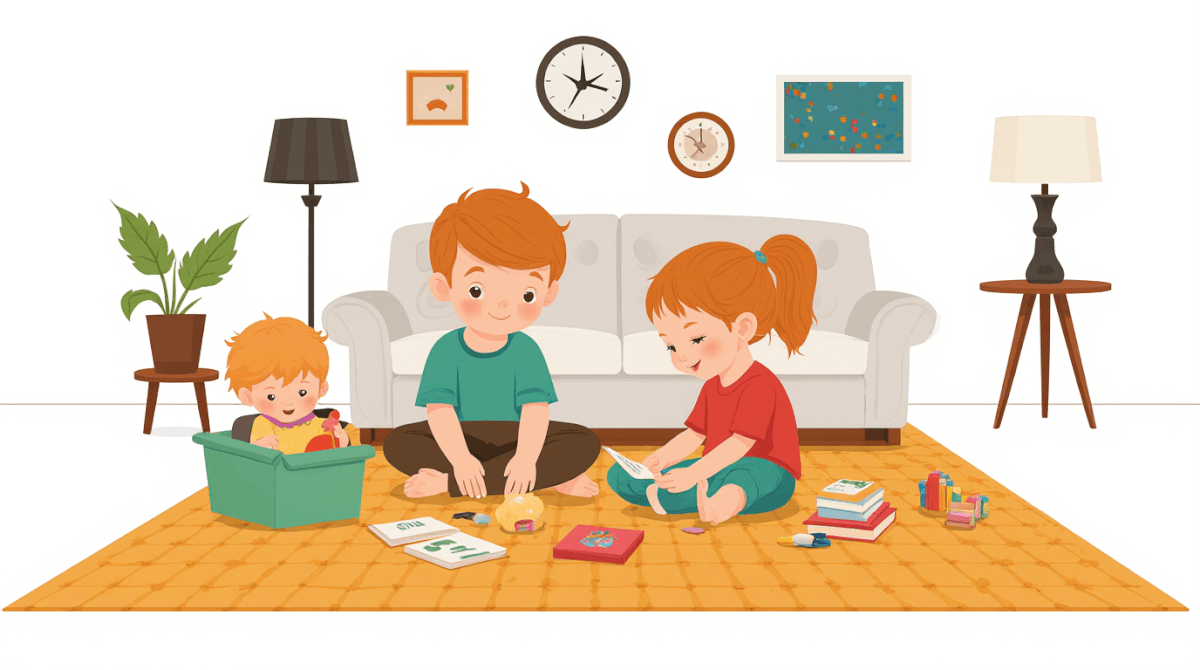
The development of self-worth during childhood is a multifaceted process that significantly influences how individuals perceive themselves and their value to the world around them. Self-worth, often shaped by early experiences and interactions with the environment, plays a pivotal role in shaping children’s emotional well-being, social relationships, and overall personal growth. This essay will explore the mechanism through which parental support and validation during childhood contribute to the development of self-worth. By examining how parents’ positive reinforcement and acknowledgment influence their children’s internal sense of value, we can better understand the profound impact that these early interactions have on a child’s psychological makeup.
Parental support begins with the foundational aspect of love and acceptance. When parents consistently show unconditional love towards their children, regardless of performance or behavior, they create an environment where self-worth is not contingent upon external achievements but rather intrinsic to one’s identity. A child who feels loved for simply being themselves—without needing to excel academically or win every game—is more likely to develop a strong sense of self-worth. This internalized feeling allows the child to approach challenges and failures with greater resilience, knowing that their value as an individual is not diminished by temporary setbacks.
Parental validation through positive reinforcement plays a crucial role in bolstering a child’s self-esteem. When parents acknowledge and praise their children’s efforts, even if the outcome is not perfect, they encourage a growth mindset. Instead of focusing solely on winning a game, a parent might celebrate the effort put into it or discuss strategies for improvement. This approach teaches the child that success is not just about achieving a goal but also about putting in the necessary work and learning from experiences. Such validation helps children develop a more balanced perspective of their abilities and worth, reducing the pressure to be perfect at all times.
The emotional environment created by parents extends beyond simple verbal affirmations; it includes non-verbal cues such as body language and facial expressions. A parent who shows genuine interest in their child’s activities or demonstrates pride through subtle gestures can significantly impact a child’s self-worth. Sitting down to read a book together, engaging in a game without rushing the outcome, or simply spending quiet time with a child can all contribute to a sense of belonging and importance. These moments create an atmosphere of safety and support that is crucial for developing healthy self-esteem.
Additionally, parents’ responses to their children’s mistakes and failures play a critical role in shaping their self-worth. Instead of criticizing or dismissing their efforts, parents who offer constructive feedback help children understand that making mistakes is part of the learning process. If a child struggles with a math problem, a supportive parent might guide them through the steps rather than simply providing the answer. This approach fosters a sense of competence and confidence, allowing children to see themselves as capable learners.
The cumulative effect of these interactions over time can lead to a resilient and well-adjusted adult who carries positive self-perceptions into their future relationships and endeavors. Children who grow up in environments where they are supported, validated, and encouraged develop a more secure sense of self-worth, which helps them navigate the challenges of adolescence and adulthood with greater ease.
It is also important to recognize that while parental support is crucial, the influence of other significant adults such as teachers or mentors cannot be overlooked. These figures can complement and reinforce the positive messages children receive at home, further solidifying their sense of self-worth. A child who receives consistent encouragement from both parents and educators will have a more robust foundation for developing healthy self-esteem.
The absence of supportive interactions during childhood can lead to a diminished sense of self-worth. Children who experience neglect or abuse may develop feelings of inadequacy that persist into adulthood. A child who is frequently criticized or ignored by their parents might internalize these negative messages and struggle with low self-esteem, finding it difficult to believe in their own worth even as adults.
To illustrate this point further, consider the case of a young girl named Lily. From an early age, her parents consistently acknowledged her efforts and praised her progress, regardless of the outcome. This approach instilled in Lily a strong sense of self-worth, allowing her to take on challenges with confidence. As she grew older, Lily was able to apply this resilience not only academically but also in social settings, making friends and participating actively in school activities.
Consider another child named Max, who faced frequent criticism from his parents for minor mistakes. Over time, Max began to internalize these negative messages, developing a fragile sense of self-worth that made him overly sensitive to failure. This lack of support led Max to struggle with anxiety and depression as he entered high school.
The development of self-worth in childhood is intricately linked to parental support and validation. Through consistent love, positive reinforcement, and constructive feedback, parents can help children build a strong foundation for healthy self-esteem. While other significant adults also play important roles, the early interactions with parents are particularly formative. By fostering an environment that encourages growth and resilience, parents can contribute significantly to their child’s overall well-being and future success.
In summary, the development of self-worth in childhood is deeply influenced by parental support and validation. These foundational elements create a secure emotional framework that supports children as they navigate the challenges of growing up. By understanding and implementing these mechanisms, we can better nurture the next generation to thrive with confidence and resilience.


Be First to Comment