
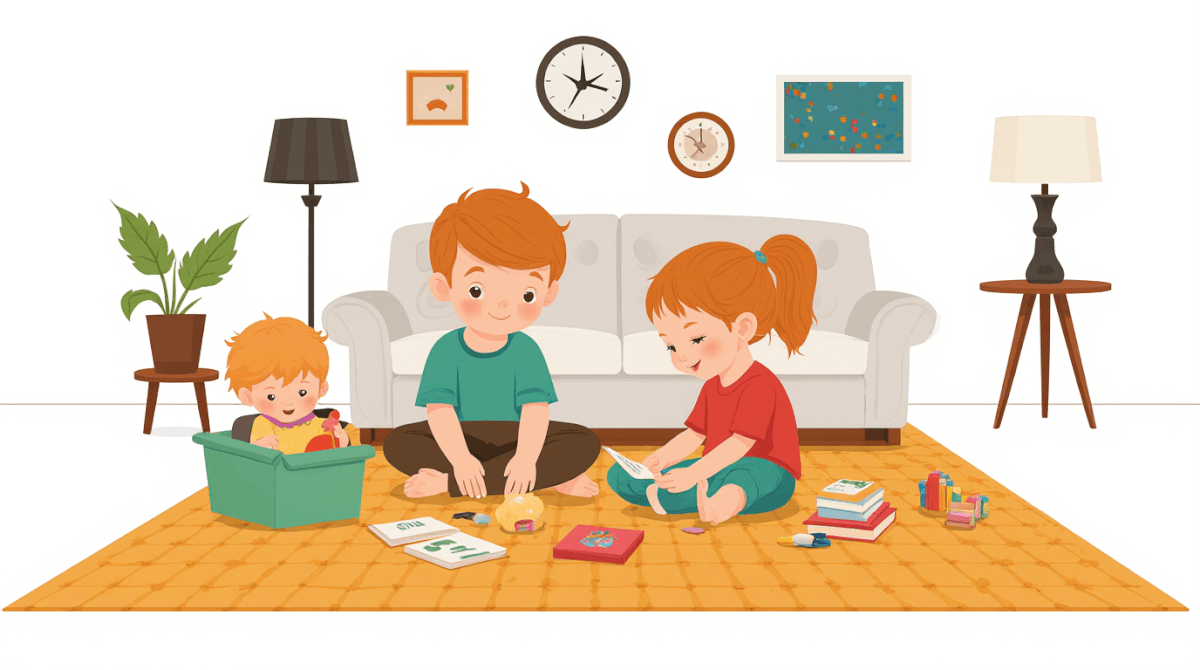
Self-control refers to the ability to regulate one’s emotions, behaviors, and thoughts to achieve long-term goals. This skill is crucial for navigating daily life effectively and achieving personal success. One mechanism through which self-control develops is the establishment and adherence to routines. Routines provide a predictable structure that helps individuals manage their impulses and plan ahead, thereby fostering the development of this vital skill.
Routines are patterns of behavior repeated regularly over time, serving as a guiding framework for daily activities. They can include morning rituals like brushing teeth or making breakfast, evening habits such as reading before bed, or organizational practices like setting out clothes for the next day. These routines help individuals anticipate and prepare for what lies ahead, reducing uncertainty and providing a sense of control.
The environment in which these routines are established significantly influences their impact on self-control. A home that supports regular meal times can create structure around eating behaviors, helping children learn to regulate their appetite and manage hunger cues. Similarly, schools that encourage consistent study schedules can teach students how to manage time effectively and prioritize tasks.
Early experiences with routine play a crucial role in shaping an individual’s ability to exercise self-control. Children who grow up in environments where routines are consistently enforced tend to develop better self-regulation skills. This is because they learn to recognize patterns, anticipate events, and adapt their behaviors accordingly. Children who are regularly encouraged to tidy their rooms after playtime not only develop organizational skills but also learn the importance of following through on tasks.
One specific mechanism through which routines influence self-control development is by reducing the cognitive load required for decision-making. When individuals follow established routines, they rely less on willpower to decide what needs to be done next. This is because routines automate many day-to-day activities, freeing up mental resources that can then be used for more complex tasks or situations requiring higher levels of self-control.
Imagine a scenario where a child regularly goes through the following routine: waking up at 7 AM, having breakfast, getting dressed, and starting homework. By the time they reach the fourth step, their mind is already accustomed to this sequence, reducing the need for constant self-discipline to initiate each activity. This allows them to apply their willpower more effectively when faced with challenging tasks that require sustained focus or resistance to immediate temptations.
Routines help individuals build resilience and adaptability by providing a predictable structure amidst potential chaos. In unpredictable situations, such as unexpected events at school or home, having established routines can serve as a reliable fallback system. If a child’s daily routine is disrupted due to an unplanned visit from friends or family, they might initially feel overwhelmed. With consistent practice in following their routines, they are better equipped to handle these disruptions and maintain their sense of normalcy.
Another critical aspect of how routines influence self-control development is by promoting habit formation. Habits are automatic behaviors that require little conscious effort once they have been established. This process of habituation can significantly enhance an individual’s ability to regulate their actions over time. A student who consistently studies for an hour each evening before bed may find that this behavior becomes habitual and less reliant on willpower. Over time, the act of studying becomes a natural part of their daily routine, reducing the cognitive strain required to initiate study sessions.
Individuals who lack consistent routines often struggle with self-control because they must continually exert conscious effort to manage their behaviors. This constant mental exertion can lead to fatigue and diminished willpower over time. A teenager who does not have a set bedtime or homework schedule might find it increasingly difficult to resist staying up late watching TV or playing video games, leading to poor sleep habits and reduced productivity the next day.
Routines contribute to self-control development by providing positive reinforcement for good behaviors. When individuals follow their established routines consistently, they often receive praise or rewards from parents, teachers, or peers. This external validation can serve as a motivational factor, encouraging continued adherence to these habits. A parent might give a child a sticker each time they complete their chores and homework on time, creating a positive association between following the routine and receiving recognition.
In addition to these direct benefits, routines also foster self-awareness and emotional regulation. By consistently engaging in certain behaviors over time, individuals become more attuned to their own needs and desires. They learn to identify when they are feeling overwhelmed or stressed and can then take steps to address these feelings through established coping mechanisms outlined within their routine. A person who follows a regular exercise routine might find that engaging in physical activity helps them manage stress better than relying solely on willpower.
Routines contribute to the development of self-discipline by providing clear guidelines for behavior. These guidelines help individuals make more informed decisions about how they spend their time and energy, ultimately leading to improved overall functioning. A student who has a well-established study routine is less likely to procrastinate or waste time on unrelated tasks, as the structure of their day provides a roadmap for productive use of their time.
Routines play a pivotal role in the development of self-control by providing structure, reducing cognitive load, fostering habit formation, and promoting positive reinforcement. Through consistent practice and adherence to these established patterns of behavior, individuals can build the resilience and adaptability needed to navigate life’s challenges with greater ease. By recognizing the importance of routine in shaping our ability to regulate ourselves, parents, educators, and caregivers can support the development of this critical skill in children and young adults, setting them up for success in various aspects of their lives.
References:
[1] Baumeister, R. F., Vohs, K. D., DeWall, C. N., & Zhang, L. (2007). How Ego Strength Maintains Self-Control. Journal of Personality and Social Psychology, 92(6), 871-884.
[2] Duckworth, A. L., & Kern, M. L. (2015). The Science of Character: Training Self-Regulation and Character Strengths to Improve Life Outcomes. Society for Research in Child Development Impacts Blog.


Be First to Comment