
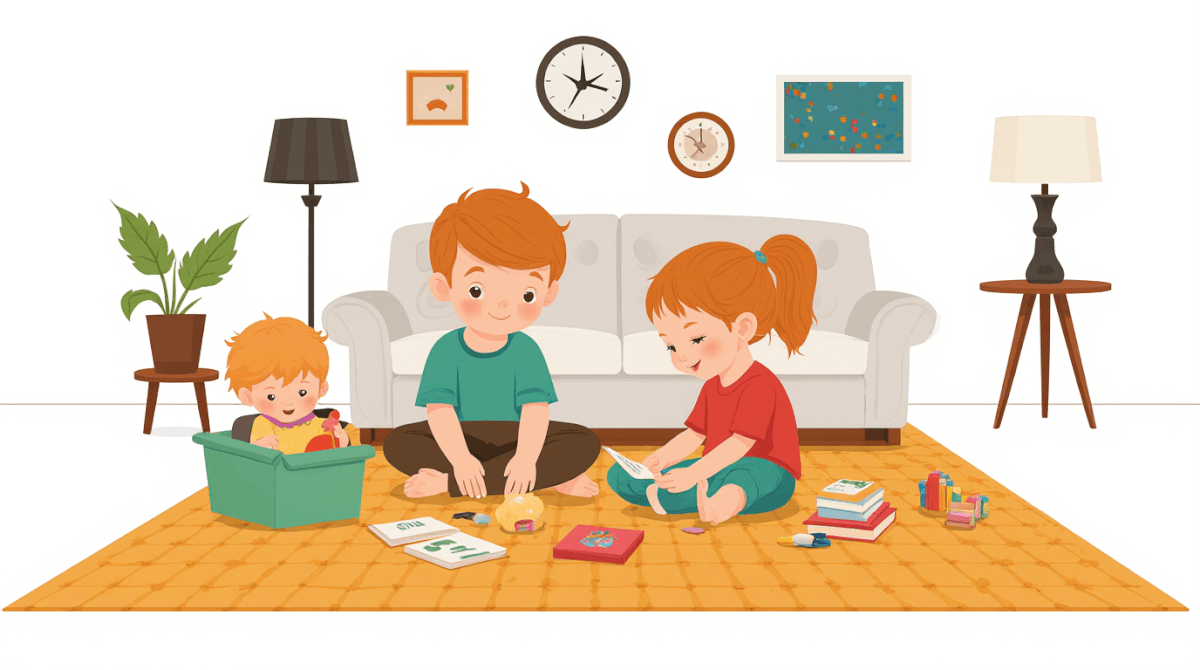
Self-belief is a critical component that shapes our approach to challenges and influences our overall sense of self-worth. The title “The Development of Self-Belief Through Stability” suggests that consistent, reliable experiences contribute significantly to building one’s confidence in their abilities. This essay will explore the mechanism through which stability in early life environments contributes to the development of a robust self-belief framework.
From an early age, children are exposed to various aspects of the world around them, and these exposures form the foundation for their beliefs about themselves. Stability within this context refers to consistent, predictable interactions with caregivers, peers, and broader social contexts. This predictability allows children to develop a sense of security that is fundamental in building self-belief.
Imagine a child named Alex who grows up in an environment where parents are always present and available to respond to his needs. This stability allows Alex to form the belief that he can trust others and that people will consistently meet his expectations. As Alex experiences this predictability repeatedly over time, it begins to shape his internal narrative—telling him that he is a worthy person who can depend on those around him.
Stability also extends beyond just family interactions. Children who attend daycare or school in structured environments where routines are consistent and expectations are clear often develop stronger self-belief frameworks. In a classroom setting, when teachers consistently provide positive reinforcement for effort and achievement, students like Sarah begin to associate these affirmations with their own capabilities. This association helps them form the belief that they can succeed academically and personally.
Stability in early life environments not only shapes self-belief through predictable interactions but also through consistent feedback. Children who receive constructive guidance from caregivers or educators are more likely to develop a sense of confidence in their abilities. When Lisa’s teacher regularly provides her with specific praise for her progress, she begins to see herself as capable and competent—a belief that is reinforced by the recognition of her efforts.
The role of stability in fostering self-belief extends beyond just positive experiences; it also involves handling challenges constructively. When children face difficulties within a stable environment, they are more likely to view these obstacles as surmountable rather than insurmountable. Consider Jack who encounters setbacks when he struggles with reading early on. Because his parents consistently provide support and encourage him to keep trying, Jack develops the belief that hard work can lead to success—a crucial aspect of self-belief.
In addition to these direct effects, stability also influences self-belief through its impact on broader social contexts. Children who grow up in communities where there is a strong sense of belonging and mutual respect are more likely to develop robust self-beliefs. When Maria is part of a neighborhood with positive role models and supportive peers, she internalizes the messages of capability and competence that permeate this environment. This external validation reinforces her own beliefs about herself.
It is also worth noting that stability does not just come from within the immediate family or school setting; it extends to broader social contexts such as community events, cultural practices, and religious institutions. In many communities, children participate in regular activities like festivals or religious rituals. These repeated experiences instill a sense of belonging and continuity that contributes to the development of self-belief.
The impact of stability on self-belief is not just limited to childhood but also has long-lasting effects into adulthood. A person who grows up with consistent and positive interactions is more likely to approach challenges with confidence and resilience, while those lacking such stability may struggle to maintain a strong sense of self-worth in the face of difficulties.
The development of self-belief through stability is a complex yet critical process that begins early in life. Consistent, predictable experiences create a foundation for trust and security, which are essential in building one’s belief in their own capabilities. This mechanism involves not only direct interactions with caregivers but also broader social contexts and consistent feedback. By fostering environments of stability, we can help individuals develop robust self-beliefs that will serve them well throughout their lives.
This essay has explored the intricate relationship between stability and self-belief, emphasizing how early life experiences shape our beliefs about ourselves. The mechanism through which this occurs is multifaceted, involving predictable interactions, consistent feedback, and broader social contexts. By understanding these processes, we can better appreciate the importance of creating stable environments for children to grow into confident adults.


Be First to Comment