
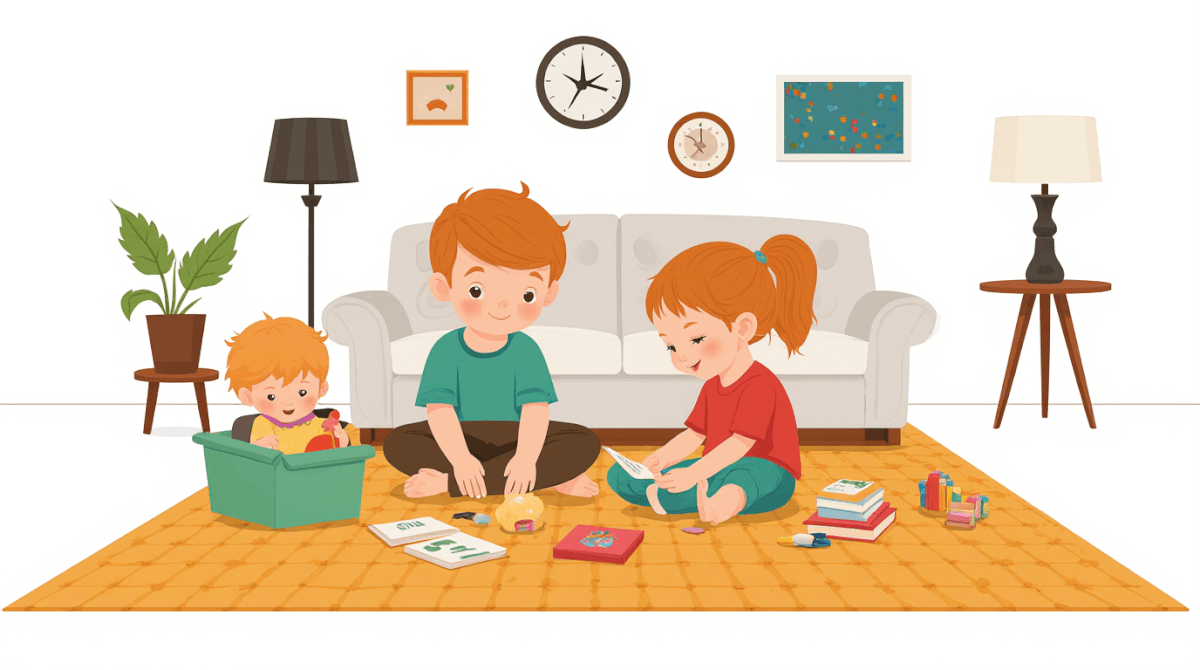
One specific mechanism through which secure emotional foundations are developed is the process of attachment. Attachment refers to the deep, enduring bond that forms between infants or young children and their caregivers. This relationship serves as a base from which an individual’s emotional responses and coping strategies develop. A child’s ability to form a secure attachment with their caregiver depends on consistent and responsive caregiving practices.
Consider a scenario where a baby cries due to hunger or discomfort. If the caregiver consistently responds by providing comfort and soothing care, the infant begins to associate these positive experiences with feeling safe and secure. Over time, this repeated pattern of interaction reinforces the child’s understanding that their needs will be met in a predictable and nurturing manner. Consequently, the child learns to trust others and themselves, which forms the bedrock of a secure emotional foundation.
Inconsistent or unresponsive caregiving can lead to insecure attachments. Imagine another scenario where an infant experiences frequent neglect or erratic responses from their caregiver. In this case, the child may learn that their needs are not consistently met, leading to feelings of anxiety and uncertainty. Over time, these experiences may result in a child developing an insecure attachment style characterized by either avoidance (detaching emotionally) or anxious-ambivalent behavior (seeking constant reassurance).
The importance of consistent caregiving extends beyond the early years; it influences later development as well. Children who experience secure attachments are more likely to develop strong social skills and emotional regulation abilities. They are better equipped to handle stress and form positive relationships with peers and authority figures throughout their lives.
A secure emotional foundation plays a crucial role in academic performance and overall mental health. Children with stable emotional bases tend to have higher self-esteem, greater resilience, and fewer behavioral problems. These factors contribute significantly to their success in school and their ability to cope with the challenges of growing up. Children lacking these foundations may struggle more with social interactions and academic tasks due to the underlying anxiety or insecurity.
In analyzing how environmental factors shape secure emotional foundations, it is essential to recognize that culture plays a significant role. Different societies and families have varying expectations regarding caregiving practices and emotional expression. In some cultures, parents are encouraged to be more hands-on and emotionally expressive, while in others, a stricter, less demonstrative approach may prevail. These cultural differences can influence the development of attachment styles, highlighting how broad social contexts shape individual emotional landscapes.
The quality of early relationships is not solely dependent on biological factors; it also involves the psychological state of caregivers. Parents who have experienced their own insecure attachments or have mental health issues such as depression may struggle to provide consistent and responsive care. This can create a cycle where unresolved emotions from past experiences affect current interactions with children.
The process of attachment does not occur in isolation but is deeply intertwined with other aspects of development. Emotional regulation, emerges from the secure base provided by early attachments. When a child feels securely attached to their caregiver, they learn to manage their emotions more effectively because they have experienced reliable support. This skill then extends into broader social contexts, allowing them to navigate friendships and relationships with greater ease.
The development of secure emotional foundations has implications for later psychological well-being. Research indicates that individuals who develop strong, stable attachments are less likely to experience mental health issues such as anxiety and depression in adulthood. They tend to have healthier coping mechanisms and better interpersonal skills, which contribute to overall life satisfaction.
The development of secure emotional foundations is a complex process shaped by multiple factors, including consistent caregiving practices, cultural expectations, and the psychological states of caregivers. These elements interact in intricate ways to form the basis for individuals’ emotional resilience and social functioning. By fostering environments that support early attachment and provide consistent care, we can help lay the groundwork for lifelong emotional well-being.
Two brief references:
Hesse, M. N., & Van Ijzendoorn, M. H. (2017). Attachment and Mental Health: A Review of the Literature. *Attachment & Human Development*, 19(3-4), 265-284.
Main, M., & Solomon, J. (1990). Procedures for Identifying Infants as Disordered in Attachment: The Strange Situation Procedure. In D. N. Cicchetti & E. J. Toth (Eds.), *Stress, Coping, and Development in Infancy and Early Childhood* (pp. 135-164). Washington, DC: American Psychological Association.



Be First to Comment