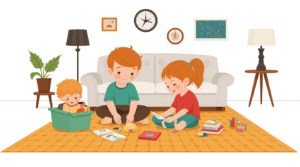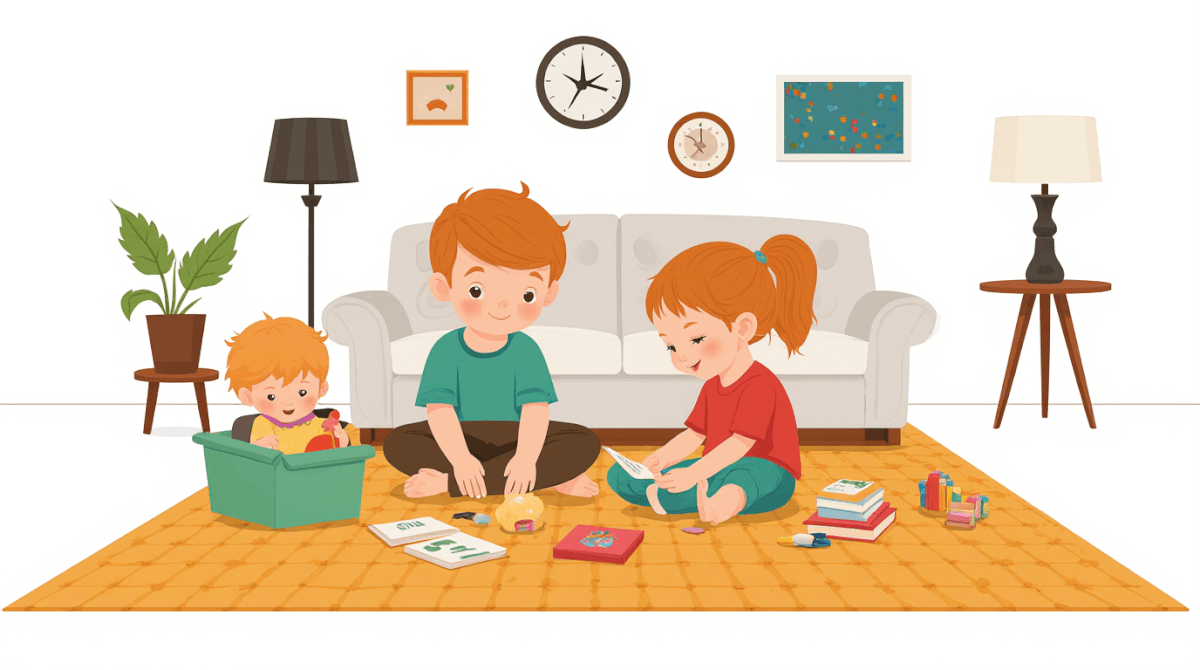
In the early stages of development, children learn to distinguish between what is within their control and what is not. This differentiation often begins with small, concrete tasks such as putting away toys, feeding a pet, or setting the table. These tasks serve as a bridge between dependency and independence, allowing children to experience a sense of accomplishment that builds their confidence.
When a child successfully completes a task, they receive positive reinforcement from caregivers, which can come in various forms—verbal praise, a warm hug, or a pat on the back. This immediate feedback reinforces the idea that their actions have tangible results and that they are capable of influencing their environment. Over time, this pattern of success and recognition accumulates, fostering a growing sense of self-efficacy. The child begins to understand that they can make choices and face challenges with a degree of assurance, which is a critical step in developing a resilient and confident identity.
The journey from small tasks to broader responsibilities is not without tension. Caregivers must strike a balance between providing support and allowing children to take on increasing levels of responsibility. Excessive protection can stifle a child’s growth, while too much independence too soon can lead to feelings of inadequacy and anxiety. A balanced approach ensures that the child learns from their mistakes without feeling overwhelmed or abandoned.
When a young child is given the task of tidying up their room but struggles to do so, a supportive caregiver might walk through the process together, offering suggestions and encouragement. This collaborative approach teaches the child problem-solving skills while also validating their efforts, even when they don’t meet expectations perfectly. The caregiver can then gradually step back, allowing the child to complete similar tasks independently, which further reinforces their growing sense of competence.
As children progress in their ability to manage small tasks, they begin to internalize a broader sense of responsibility. They start to recognize that their actions have consequences not just for themselves but also for others around them. This expansion of perspective is crucial as it marks the transition from egocentric to more socially aware thinking. Children learn to consider the needs and feelings of others, which is a key aspect of emotional security.
Emotional security develops when children feel safe to explore their environment and take on new challenges without fear of failure or rejection. When caregivers consistently offer support and encouragement, children begin to trust that their efforts are valued and appreciated. This trust builds a secure base from which the child can venture out into the world, exploring different aspects of responsibility with increasing confidence.
The process of developing responsibility through small tasks is also closely tied to the development of self-regulation. Children learn to manage their impulses, emotions, and actions in ways that align with social expectations. A child who learns to wait for their turn to use a toy or to clean up after a snack without being told is demonstrating an early form of self-regulation. These behaviors become internalized as the child grows older, contributing to more advanced forms of self-control and discipline.
In families where responsibility is introduced gradually and with care, children tend to develop a more positive self-concept. They begin to see themselves not just as recipients of love and care but also as active contributors to the family unit. This shift in perspective can be particularly transformative during adolescence when young people are grappling with identity and autonomy.
The psychological mechanisms at play in this development are complex and multi-faceted. They involve the interplay of cognitive, emotional, and social processes. As a child successfully completes tasks and receives positive feedback, their self-esteem is bolstered. This increased self-esteem, in turn, fuels their willingness to take on more responsibilities. The reciprocal relationship between these processes creates a reinforcing cycle that promotes continued growth and development.
It’s important to note that not all children experience this process in the same way. Cultural and familial contexts can significantly influence how responsibility is learned and perceived. In some cultures, there may be a stronger emphasis on collective responsibility, where individual tasks are part of a larger family effort. In other contexts, individual achievement might be more valued, leading to different patterns of growth and development.
The tension between support and autonomy is evident in these varied experiences. While some children thrive in environments where they are encouraged to make their own choices, others may benefit from a more structured approach that provides clear guidance and expectations. The key lies in finding the right balance that respects each child’s unique needs and developmental stage.
As children grow older, the tasks they take on become more complex, reflecting their increasing capacity for responsibility. A young teenager might be given the task of planning a family dinner menu, which requires them to consider dietary preferences, budget constraints, and the social dynamics within the family. This process not only teaches practical skills but also enhances their ability to think creatively and solve problems collaboratively.
The long-term benefits of developing responsibility through small tasks are numerous. Children who learn to manage their responsibilities in a supportive environment tend to have better mental health outcomes, higher levels of self-esteem, and stronger social relationships. They are more likely to develop into well-adjusted adults who can handle the challenges of life with greater resilience.
The development of responsibility through small tasks is a nuanced process that shapes a child’s emotional security, confidence, identity, and self-regulation. Through consistent, supportive interactions within families, children learn to navigate their world with increasing independence and competence. This gradual and cumulative growth lays the foundation for a secure and fulfilling life.