
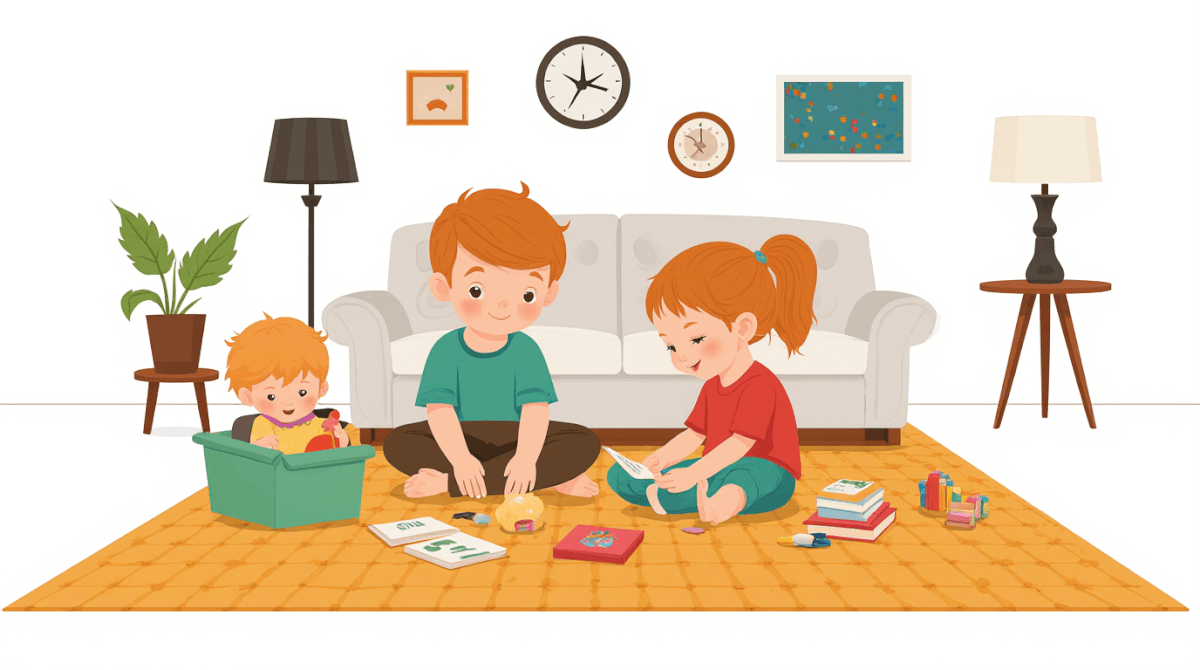
In the early years of a child’s life, family dynamics play a crucial role in shaping their confidence levels as they grow into independent individuals. The environment and experiences within the family unit significantly influence how children perceive themselves and interact with the world around them. This essay will analyze how positive familial interactions contribute to developing personal confidence by fostering a sense of security, encouraging self-expression, and providing opportunities for skill development.
The initial step in building personal confidence is creating an atmosphere of safety and trust within the family. When children feel secure, they are more likely to explore their surroundings without fear of judgment or rejection. This feeling of security stems from consistent positive reinforcement, emotional support, and predictable routines that help children understand what to expect from their environment. A child who consistently receives comforting words and physical affection from parents learns to associate love with their actions. This association gradually builds into an internal belief in one’s worth and abilities.
Encouraging self-expression is another critical aspect of fostering confidence through family life. Family members can model openness about emotions and experiences, encouraging children to do the same without fear of criticism or ridicule. When children feel heard and valued for their unique perspectives, they are more likely to express themselves openly in various settings, leading to a stronger sense of self. Allowing children to share their feelings during family discussions or decision-making processes can reinforce the idea that every voice matters. This practice not only boosts confidence but also enhances communication skills, preparing children for future social interactions.
Skill development is yet another mechanism through which families contribute to personal confidence. Engaging in activities together, whether it be cooking a meal, playing board games, or working on craft projects, provides opportunities for children to learn and master new abilities. Successfully completing tasks builds competence and reinforces the belief that effort leads to achievement. When parents support their child’s interests by enrolling them in hobbies like painting or soccer, they not only provide structured learning environments but also celebrate milestones along the way. This combination of guidance and recognition fosters a sense of accomplishment that spills over into other areas of life.
Family members can act as role models for handling challenges and failures constructively. By openly discussing their own struggles and setbacks, parents demonstrate resilience and perseverance, teaching children valuable problem-solving strategies. When children witness firsthand how adults face difficulties head-on and find solutions, they learn to approach obstacles with a positive mindset rather than fear or avoidance. If a child is learning to ride a bicycle and falls off multiple times, the parent’s encouragement and help in getting back on can reinforce confidence in overcoming adversity.
Another important factor in developing personal confidence through family life is setting appropriate expectations that challenge but do not overwhelm children. High standards can push individuals to achieve more than they thought possible, while too much pressure may lead to stress and anxiety. Parents must strike a balance by offering realistic yet encouraging goals that help children feel capable without feeling defeated. This balanced approach ensures that every small success contributes to building self-assurance.
In addition to these direct contributions from family members, the broader cultural context also plays a significant role in shaping personal confidence. Cultural values about individuality, achievement, and resilience often permeate familial interactions, influencing how children internalize messages of worth and capability. A culture that emphasizes creativity may encourage children to take risks and explore new ideas freely, whereas one that prioritizes conformity might stifle self-expression. Understanding the interplay between family dynamics and cultural expectations can provide insights into why some children exhibit higher levels of confidence than others.
To conclude, personal confidence develops significantly through familial interactions as families create secure environments, foster self-expression, encourage skill development, model resilience, set appropriate expectations, and operate within broader cultural contexts. Each element contributes uniquely to building a child’s belief in their abilities, setting the foundation for successful adulthood. By recognizing the power of family life in shaping personal confidence, we can better support future generations in navigating the complexities of the world with poise and self-assurance.
References:
Werner, E. E., & Smith, R. S. (1992). Overcoming the odds: High-risk children to successful adults. Cornell University Press.
Rutter, M. (2006). Child development and public health in a changing world. Journal of Public Health, 28(3), 245-253.


Be First to Comment