
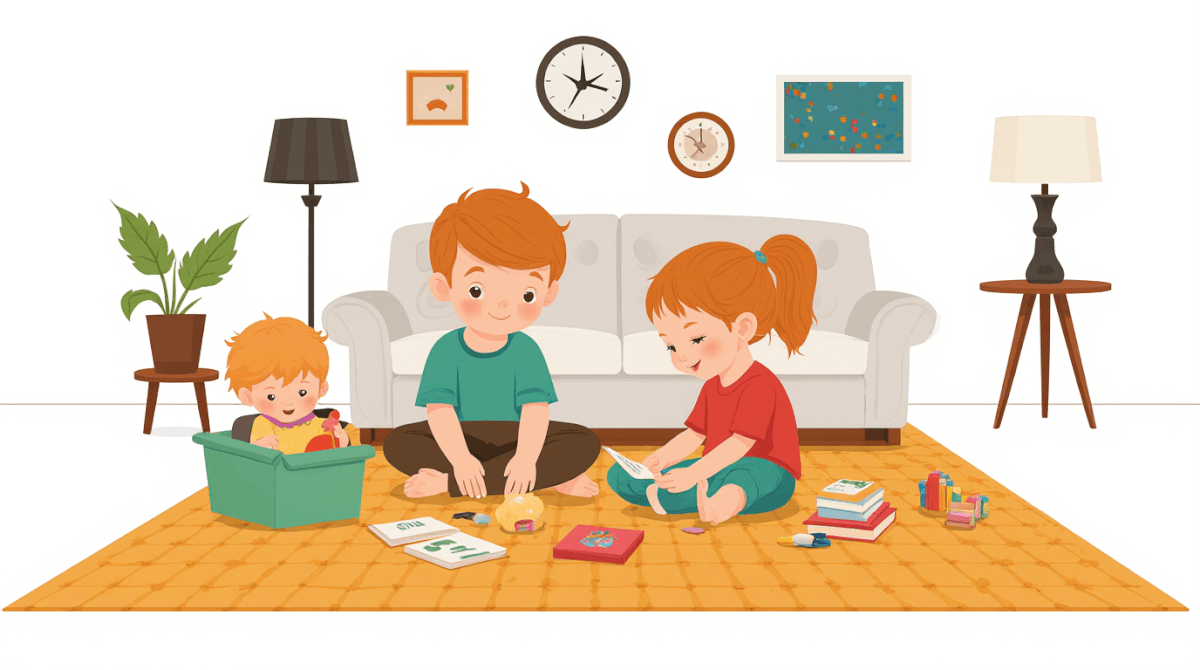
The development of personal boundaries during childhood plays a crucial role in shaping how individuals understand their place within the world and interact with others. This process is not only influenced by individual experiences but also heavily shaped by social, cultural, and relational contexts. One specific mechanism through which this occurs involves the interplay between parental guidance and peer influence as children navigate their way from dependence to independence. Understanding this mechanism helps us see how personal boundaries are formed and solidified during early years.
In the initial stages of a child’s life, they depend almost entirely on caregivers for their physical and emotional needs. As children grow, they begin to exert control over certain aspects of their lives, setting the foundation for developing personal boundaries. This process is often guided by parental attitudes towards independence, which can vary significantly based on cultural expectations and individual parenting styles. In cultures that emphasize collectivism, parents might encourage cooperation and group harmony, whereas in individualistic societies, children may be encouraged to assert their own opinions and make independent choices.
Parental guidance provides the first lessons in setting boundaries. Parents teach by example, demonstrating how to respect personal space, property, and emotions. A parent who consistently asks for permission before entering another person’s room helps instill an understanding of personal boundaries. Similarly, when children are allowed to participate in family decisions, they learn about their own rights and responsibilities. These early interactions lay the groundwork for more complex social behaviors later on.
Peer influence also plays a critical role in the development of personal boundaries. As children spend increasing amounts of time with other kids, they begin to adopt norms and values that shape how they view themselves and others. Peers provide feedback through both direct interaction and observation. If a child notices their friends having clear rules about sharing toys or respecting personal space, they are more likely to develop similar boundaries in their own social interactions.
The interplay between parental guidance and peer influence creates a dynamic environment where children can experiment with different ways of setting and maintaining personal boundaries. This experimentation is crucial for developing self-awareness and understanding the impact of one’s actions on others. The effectiveness of this process depends significantly on the quality of the child’s relationships within their family and social circles.
Consider a scenario where a child frequently interacts with peers who have strong, well-defined personal boundaries. These children might learn to say “no” when someone asks for help with homework they are not comfortable doing or refuse to share secrets that make them uncomfortable. Over time, these experiences reinforce the importance of setting and respecting personal limits.
If a child grows up in an environment where boundary-setting is not encouraged, either by overprotective parents or permissive peer groups, they may struggle to establish clear boundaries later in life. In such cases, children might find it difficult to say “no” to unreasonable requests from friends or authority figures, leading to feelings of resentment and stress.
Cultural context further influences the development of personal boundaries. In collectivist cultures, there is often a stronger emphasis on group harmony over individual expression. Children growing up in such environments may learn to suppress their desires to maintain social cohesion. This can result in well-behaved children who struggle with assertiveness and self-expression once they enter more individualistic settings.
In individualist societies, there is greater encouragement for children to express themselves freely. While this can lead to early assertion of personal boundaries, it also increases the likelihood of conflict with others who have different perspectives. The challenge here lies in striking a balance between self-assertion and consideration of others’ feelings.
In both cases, the key factor remains the quality and nature of interactions within the child’s social environment. Positive, supportive relationships that encourage mutual respect are more likely to foster healthy personal boundaries than environments where boundaries are ignored or overly rigidly enforced.
The role of technology in modern childhood should not be overlooked. Children today spend significant time interacting online with peers from diverse backgrounds. This digital interaction can both support and challenge the development of personal boundaries. Social media platforms provide opportunities for children to explore different aspects of self-expression and set boundaries around their personal information. The anonymity and distance of online interactions can sometimes lead to a lack of accountability, making it harder for children to understand the consequences of breaching others’ personal space.
The interplay between parental guidance and peer influence is thus essential in teaching children how to navigate complex social situations. By providing appropriate role models and encouraging open communication about boundaries, parents can help their children develop healthy interpersonal relationships that respect individual rights and foster mutual understanding.
The development of personal boundaries during childhood is a multifaceted process influenced by social, cultural, and relational contexts. Through the interplay between parental guidance and peer influence, children learn to navigate the complexities of social interactions while developing self-awareness and emotional intelligence. Understanding this mechanism provides insight into how early experiences shape lifelong patterns of behavior and interaction.
In summary, as children grow and interact with a variety of influences, they gradually develop their own personal boundaries that will guide their relationships throughout life. This development is not merely a solitary process but one deeply intertwined with the social fabric around them. By recognizing and supporting these processes, we can better understand how to nurture healthy growth in young individuals.



Be First to Comment