
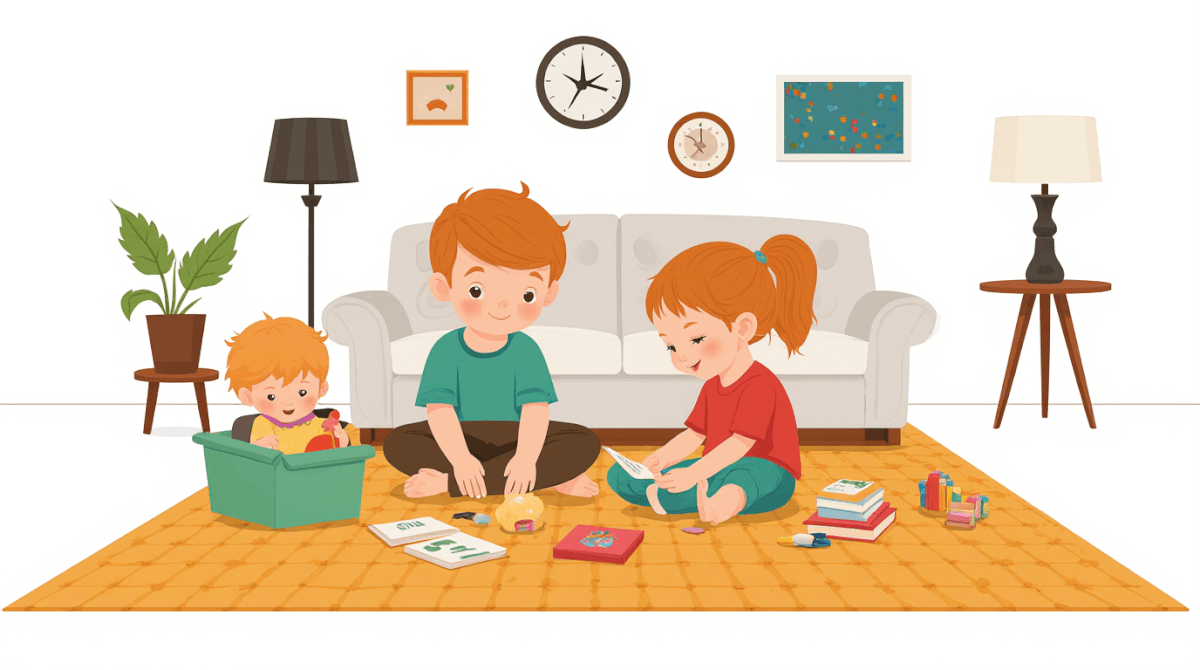
The development of patience during early years is a critical process that shapes an individual’s emotional regulation and social interaction skills for the future. This essay explores how the environment and early experiences significantly influence the mechanism through which children develop patience. Patience, understood here as the ability to tolerate waiting or endure frustration without losing one’s temper or composure, plays a pivotal role in navigating various social and academic challenges. By examining the interplay between these environmental factors and the developmental process of patience, this essay aims to provide insight into how young minds construct their capacity for delayed gratification and resilience.
From infancy through early childhood, children are exposed to a myriad of stimuli that challenge their developing tolerance levels. In the first months of life, infants learn basic self-regulation skills such as recognizing hunger cues, understanding when they need comfort or stimulation, and learning about routine patterns like feeding and sleeping schedules. These early experiences lay the foundation for more complex emotional regulation tasks later on. An infant who learns to soothe themselves during a brief moment of discomfort by patting their own face or sucking their thumb might carry this behavior into situations requiring longer periods of waiting, such as when playing with toys that have a delay before they produce sound.
As children grow, the complexity of their environment and interactions increases. In the toddler years, parents often introduce routines like meal times and bedtime, which require young children to wait for certain activities or events. These daily rituals can serve as microcosms for developing patience, providing repeated opportunities for practice in waiting and understanding that desired outcomes do not always occur immediately. A child who must sit through a story before being allowed to play might learn to tolerate the delay if it is consistently followed by enjoyable playtime.
Social interactions also play a crucial role in shaping children’s ability to manage their emotions and behaviors over time. Playdates and group activities expose children to various social situations where they must navigate sharing, take turns, and deal with minor conflicts. These experiences help children develop empathy and the ability to tolerate others’ actions that might initially upset them. During a game of Simon Says, a child who waits patiently for their turn or adjusts their behavior when instructed may begin to understand the importance of following rules and respecting others’ perspectives.
The home environment further influences a child’s development of patience through modeling behaviors and setting expectations. Parents who demonstrate patience in challenging situations set positive examples that children can emulate. If a parent remains calm during traffic jams or household disputes, they teach their child to handle similar situations with grace rather than frustration. Additionally, consistent routines and clear explanations about why certain actions are necessary (like waiting for their turn) help children understand the reasons behind rules and expectations, fostering a sense of predictability that can enhance patience.
Educational institutions also contribute to the development of patience by providing structured environments where children are encouraged to engage in activities that require sustained focus and delayed gratification. Early childhood programs often incorporate projects that take multiple days or weeks to complete, such as building intricate block structures or creating art pieces. These tasks require children to manage their time effectively, persist through challenges, and resist the urge to abandon work in favor of more immediate rewards.
Teachers can reinforce patience by praising efforts rather than outcomes, encouraging resilience over perfectionism, and allowing natural consequences to occur when appropriate. If a child is struggling with a puzzle but refuses to give up, acknowledging their perseverance and offering support rather than rushing them to the solution fosters a growth mindset that values persistence.
Environments that are overly permissive or punitive can hinder the development of patience by failing to provide the necessary challenges for emotional regulation. Permissive settings where immediate gratification is the norm may not adequately prepare children for real-world scenarios that require delayed satisfaction. Excessive discipline without explanation might teach children only to suppress their feelings rather than understand and manage them constructively.
Cultural factors also play a significant role in shaping expectations around patience. In collectivist cultures where group harmony and cooperation are highly valued, there is often more emphasis on teaching young people to wait for others or adhere to communal norms. Individualistic societies might place greater value on self-reliance and independence, potentially leading to different approaches to fostering patience.
The media and technology present in modern environments can also impact the development of patience. While television shows, video games, and smartphones offer immediate rewards, they may paradoxically erode children’s ability to tolerate frustration. Parents who limit screen time and encourage alternative activities that require sustained attention (such as reading books or engaging in outdoor play) help counteract this trend.
The development of patience during early years is a multifaceted process shaped by various environmental factors, including family routines, social interactions, educational settings, cultural norms, and technological influences. By understanding these elements, we can better appreciate the complexities involved in nurturing patience and recognize the importance of creating supportive environments that promote emotional regulation and resilience. This holistic approach to fostering patience not only enhances children’s ability to handle challenges but also sets them on a path toward healthier social and academic outcomes.
References:
– Eisenberg, N., Cumberland, A., & Spinrad, T. L. (1998). Effortful control: The development of self-regulation as a positive characteristic. *Journal of Personality*, 66(2), 457-493.
– Diamond, A. (2002). Development of executive functions. *Child Development Perspectives*, 6(1), 21-25.


Be First to Comment