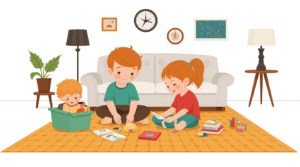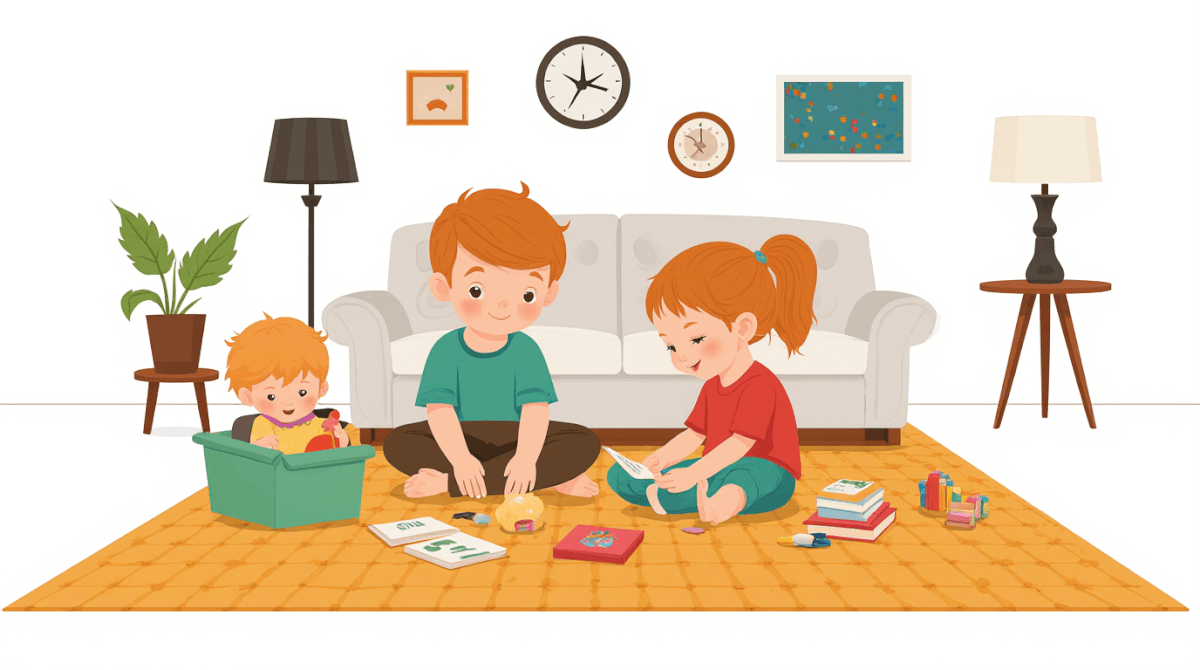
In the heart of every home, there lies a profound influence on the emotional and psychological development of its members, particularly the young ones. Family relationships serve as the bedrock upon which children’s confidence, their ability to regulate emotions, and their sense of safety are built. It’s a process that unfolds in the everyday interactions we share, making each moment count.
Firstly, let’s consider the role of affection in nurturing a child’s emotional well-being. Affection, in its many forms—whether a warm hug, a gentle touch, or a heartfelt “I love you”—is like a steady river, providing a continuous flow of comfort and security. When children receive consistent expressions of love, they begin to understand that they are valued, safe, and accepted for who they are. This sense of acceptance is crucial because it lays the foundation for their self-esteem and confidence. Imagine a scenario where a parent reads a bedtime story, tucks the child in, and then offers a kiss goodnight. Over time, these simple acts reinforce the message that the child’s presence and happiness matter deeply. This repeated reinforcement shapes a secure attachment, making the child more resilient to stress and better able to form healthy relationships later in life.
Consistency is another key element in shaping a child’s psychological development. Consistent routines and expectations provide a sense of predictability and order, which are essential for emotional regulation. Children thrive when they know what to expect. If bedtime follows the same sequence every night—brushing teeth, reading a story, singing lullabies—the child begins to understand that this predictable routine leads to a peaceful end to the day. This predictability helps them manage their emotions more effectively because they can anticipate and prepare for what’s coming next. A child who is comfortable with these routines is better equipped to handle the ups and downs of daily life, knowing that they have a stable framework within which to navigate.
Support from family members is another critical aspect of emotional development. When children face challenges or make mistakes, the supportive response from parents or siblings can be a game-changer. Supportive interactions teach children that it’s okay to seek help and that failure is not a terminal event. If a child struggles with solving a math problem, a parent might sit down and work through the problem together, offering guidance without taking over. This collaborative approach helps the child develop problem-solving skills and builds their confidence in tackling challenges independently. Supportive interactions also foster a sense of belonging and acceptance, reinforcing the idea that every family member’s contributions are valued.
Structure within the family environment further enhances emotional development by providing clear boundaries and expectations. Defined roles and responsibilities help children understand what is expected of them and where they fit into the family dynamic. A structured home environment can reduce anxiety and confusion, allowing children to focus on their growth and learning. Establishing a chore routine or setting aside specific times for homework and play can create a sense of order and predictability. This structure supports emotional regulation by providing a clear roadmap for daily activities, which in turn helps children develop the skills they need to navigate their world more effectively.
In sum, the family relationship landscape is a rich tapestry woven with threads of affection, consistency, support, and structure. Each of these elements plays a vital role in shaping a child’s emotional and psychological development, laying the groundwork for a life filled with resilience, confidence, and well-being. While the journey is complex and multifaceted, the simplicity of these everyday interactions—shared meals, bedtime routines, playful arguments, and acts of kindness—holds the key to nurturing the hearts and minds of our young ones. As we navigate the challenges and joys of family life, may we always strive to create a nurturing environment where every child can flourish.
Related Reading
– Jerome Bruner — The Culture of Education
– James Heckman — The Economics of Early Childhood