
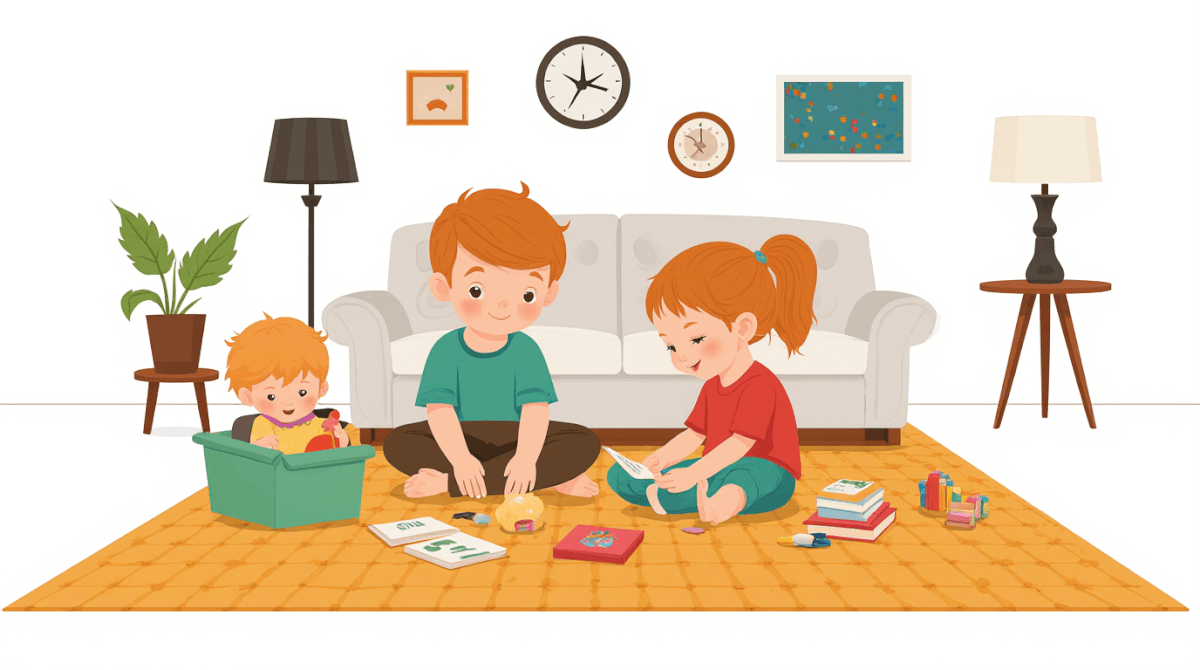
In many households, parents often act as primary sources of support and guidance during critical periods of a child’s growth. The quality and nature of these interactions significantly influence the child’s ability to develop inner strength. When faced with a challenging situation such as making a public speech in school, a child who has experienced consistent encouragement from their parents is more likely to approach this task with confidence. Such children learn that failure is not the end but rather an opportunity for growth and improvement. This early experience of support lays down a foundation for resilience, enabling the child to tackle future challenges with greater ease.
Exposure to positive role models further enhances the development of inner strength in childhood. Role models can be found within various spheres—family members, teachers, community leaders, or even characters from books and media. These individuals serve as exemplars of perseverance and courage, illustrating that difficulties can be overcome through hard work and determination. A child who frequently hears stories about historical figures like Malala Yousafzai, who faced significant adversity but fought for her right to education, is likely to internalize these values and apply them in their own life when confronted with challenges.
Autonomy, another crucial element in the development of inner strength, is best nurtured through appropriate opportunities for children to make choices. Allowing a child to decide what to wear or which activity to pursue can build their sense of agency and confidence. When given such autonomy, children learn that they have the power to influence their environment, thereby fostering an internal locus of control. This empowerment is evident in everyday scenarios; when a child chooses to clean up their room without being asked, it demonstrates a growing sense of responsibility and competence.
The nurturing context provided by supportive adults and positive role models creates a safe space for children to explore their abilities and face challenges head-on. A child who frequently participates in team sports learns the value of teamwork, leadership, and overcoming obstacles as part of a group. These experiences build not only physical skills but also emotional resilience, teaching children that success often comes after enduring effort and setbacks. Over time, these lessons become internalized, shaping how the individual perceives themselves and their place within the world.
Another aspect of this mechanism is the role of play in fostering inner strength. Play is a natural form of exploration that encourages creativity and problem-solving skills. When children engage in imaginative play, they often encounter roles and scenarios that require them to navigate social dynamics and resolve conflicts. Playing doctor or firefighter can teach children about responsibilities and consequences, thereby enhancing their ability to handle real-life situations with greater ease.
The development of inner strength is also influenced by the cultural and social context in which a child grows up. Cultural values and norms play a significant role in shaping a child’s worldview and expectations. In societies that emphasize community and collective well-being, children are more likely to develop a sense of shared responsibility and collaboration. In collectivist cultures, children might be taught the importance of contributing to group success rather than focusing solely on individual achievements.
In individualist societies, there is often an emphasis on personal independence and achievement. While this can foster self-reliance and ambition, it may also lead to a more competitive environment where children feel constant pressure to excel. Both environments have their strengths and challenges when it comes to fostering inner strength, highlighting the importance of understanding cultural contexts in child development.
The role of schools in nurturing inner strength should not be underestimated either. Schools provide structured settings for children to develop social skills, academic competencies, and emotional resilience. Teachers play a crucial role by creating inclusive environments where every student feels valued and supported. Through class discussions on ethical dilemmas or group projects that require cooperation, students learn to navigate complex social situations, thereby building their inner strength.
In summary, the development of inner strength in childhood is a multifaceted process shaped by supportive relationships, positive role models, opportunities for autonomy, and cultural contexts. These elements work together to create a nurturing environment where children can grow emotionally resilient and better equipped to handle life’s challenges. By fostering these mechanisms, parents, educators, and society at large can help children develop the inner strength necessary to navigate both current and future adversities with confidence and grace.
It is essential to recognize that the development of inner strength in childhood is a complex interplay of various factors. While this essay has focused on key mechanisms such as supportive relationships, positive role models, autonomy, cultural contexts, and schools, other elements also contribute to this process. By understanding these mechanisms and their interconnectedness, we can better support children in building the inner strength needed to thrive in an ever-changing world.
[1] National Institute of Mental Health. (2023). Resilience: The ability to adapt well in the face of adversity, trauma, or significant stress.
[2] World Health Organization. (2023). Building resilience in children and young people.
To explore the broader framework behind this topic, read
The Foundation Years: Why Early Childhood Support Shapes the Adults Our Children Become.


Be First to Comment