
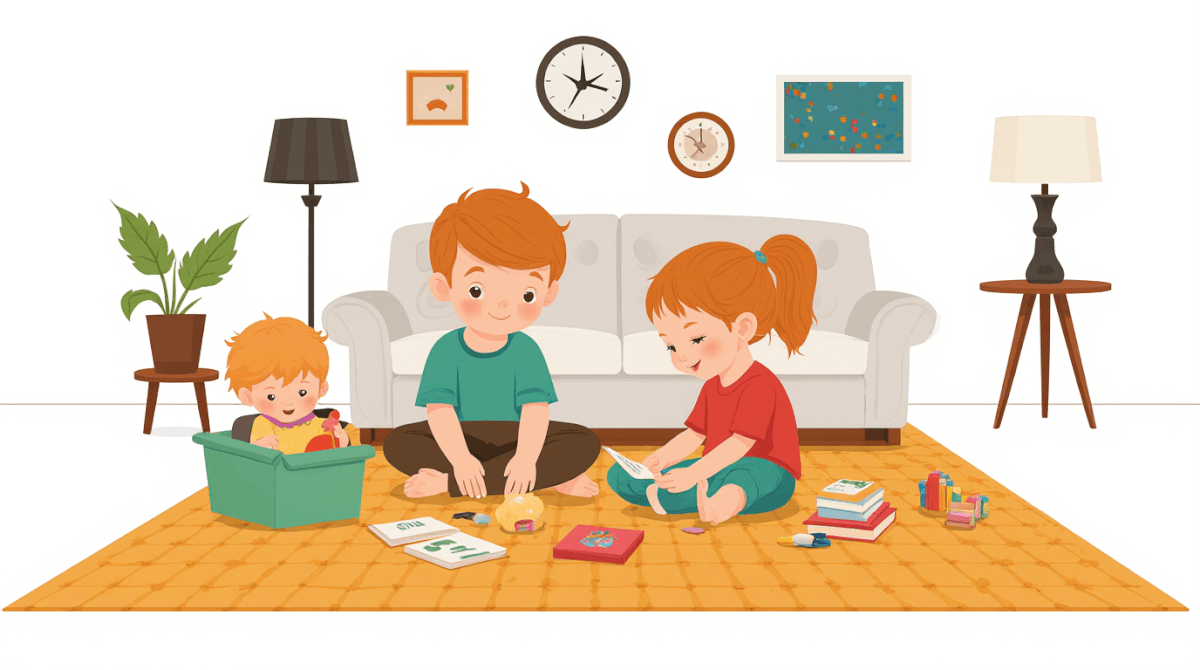
The development of inner motivation during childhood lays a fundamental groundwork for personal growth and self-directed behavior. It is this internal drive that propels individuals to pursue their interests and goals with enthusiasm, even when external incentives or rewards are absent. This essay will analyze how the environment and early experiences influence the nurturing of inner motivation in children.
Motivation can be seen as a complex interplay between biological predispositions, social interactions, and personal experiences. The process begins as infants become aware of their surroundings and start to engage with their world through play and exploration. As children grow, they encounter various challenges that require them to find solutions independently or with the help of others. These experiences can either foster a sense of self-efficacy, leading to increased motivation, or undermine it, causing a decline in interest.
Consider a young child who is given the freedom to explore and interact with toys during playtime. If caregivers provide encouragement by asking open-ended questions like “What did you discover today?” rather than just offering rewards for specific behaviors, they are likely fostering an intrinsic sense of curiosity and exploration. This early interaction sets the stage for developing inner motivation because children learn that their own interests and efforts can lead to interesting outcomes.
When caregivers provide extrinsic rewards or punishments, they may inadvertently diminish a child’s inner drive. If a parent consistently uses stickers as a reward for completing homework assignments, the child might start to see these activities merely as tasks to be completed in exchange for external tokens rather than pursuing them out of genuine interest. This can lead to a reliance on external incentives, which may weaken over time and leave the individual struggling when faced with unaccompanied challenges.
Social interactions also play a significant role in shaping inner motivation. Children learn from peers through games and shared experiences, where they not only develop skills but also gain recognition for their contributions. During group activities such as building block structures or sharing stories, children who receive positive feedback from their friends are more likely to continue engaging in these activities with enthusiasm.
The cultural context within which a child develops can greatly influence their inner motivation. In cultures that emphasize self-reliance and personal achievement, children may be encouraged to pursue interests independently and develop strong inner drives. In many Asian cultures, parents often encourage their children to explore various hobbies or academic fields without direct intervention, fostering a sense of autonomy and curiosity.
In contexts where conformity is valued over individual expression, children might feel pressured to align their interests with societal norms rather than pursuing their own passions. This can lead to a decline in inner motivation as individuals may suppress their true desires in favor of what is deemed socially acceptable.
Early experiences such as parental support, teacher encouragement, and positive peer interactions create a supportive environment that nurtures the development of inner motivation. When children feel safe and supported, they are more likely to take risks and pursue interests without fear of failure. A child who receives praise for trying new activities, regardless of immediate success, is more likely to continue exploring novel experiences.
Environments that lack support can stifle the development of inner motivation. Children who experience criticism or neglect may develop a belief that their efforts are not valuable, leading them to shy away from challenges and instead rely on external validation. This can result in decreased self-efficacy and reduced interest in pursuing personal goals.
The impact of early experiences extends beyond childhood into adulthood, influencing career choices and lifelong learning. A child who develops inner motivation through supportive relationships is more likely to continue seeking knowledge and pursuing interests throughout their life. A teenager who is encouraged by teachers to explore subjects that spark curiosity may become a lifelong learner, continually seeking new information and challenges.
Those who lack such support might struggle with self-doubt and reluctance to take on new tasks or pursue further education. This can lead to a cycle where external factors continue to dominate their behavior, limiting personal growth and fulfillment.
The nurturing of inner motivation is also influenced by the quality of interactions between parents, caregivers, and teachers. Positive reinforcement through encouragement, validation, and active listening creates a supportive environment that encourages children to explore their interests freely. When a parent listens attentively to a child’s ideas about an upcoming project or suggests resources for further exploration, they are fostering intrinsic motivation by demonstrating interest in the child’s passions.
Caregivers who model enthusiasm and curiosity themselves provide valuable examples of how internal drive can be cultivated. Children learn that genuine interest can lead to personal growth and achievement when they see adults pursuing their own interests with passion. This can inspire them to develop similar inner motivations, leading to a more self-directed approach to learning and problem-solving.
Environments where criticism or negative feedback dominate can hinder the development of inner motivation. When children are frequently criticized for mistakes or failures, they may internalize messages that suggest their efforts are insufficient. Over time, this can lead to a diminished sense of self-efficacy and reduced interest in engaging with challenges.
The role of play also plays a crucial part in nurturing inner motivation. Play is an intrinsic activity that allows children to explore interests freely without the pressure of external rewards or punishments. As they engage in activities such as building with blocks, drawing pictures, or playing pretend, children develop skills, learn about their world, and discover their own strengths and weaknesses.
A child who spends hours constructing elaborate structures out of blocks might eventually develop an interest in architecture or engineering, driven by the sense of accomplishment and curiosity that arises from such play. This type of play-based learning is crucial for developing inner motivation because it allows children to explore their interests without external pressure, leading to genuine engagement and enjoyment.
When play is structured too rigidly or dominated by adult-directed activities, children may lose some of these intrinsic motivations. If a child is forced to follow a strict schedule that prioritizes academic work over free exploration, they might become less inclined to pursue their own interests independently.
Early experiences and social interactions contribute significantly to the development of inner motivation. Children who grow up in supportive environments where their passions are encouraged and recognized are more likely to develop strong internal drives. Those who face criticism or neglect may struggle with self-doubt and reduced interest in pursuing personal goals.
The influence of these early experiences extends into adulthood, shaping career choices and lifelong learning habits. A child nurtured through positive interactions is more likely to continue seeking knowledge and exploring interests throughout their life, while those lacking such support might struggle with self-efficacy and reduced motivation.
The environment and early experiences play a critical role in nurturing inner motivation during childhood. By providing supportive relationships, modeling enthusiasm, encouraging exploration, and fostering intrinsic curiosity, caregivers can help children develop strong internal drives that will serve them throughout their lives. Environments that lack support or emphasize external validation may diminish these innate motivations, leading to reduced interest in pursuing personal goals.
References:
Schunk, D. H., & Pintrich, P. R. (2016). Self-regulation and academic motivation: A social cognitive perspective. Handbook of self-regulation of learning and performance, 9-34.
Deci, E. L., Koestner, R., & Ryan, R. M. (1999). A meta-analytic review of experiments examining the effects of extrinsic rewards on intrinsic motivation. Psychological bulletin, 125(6), 627.


Be First to Comment