
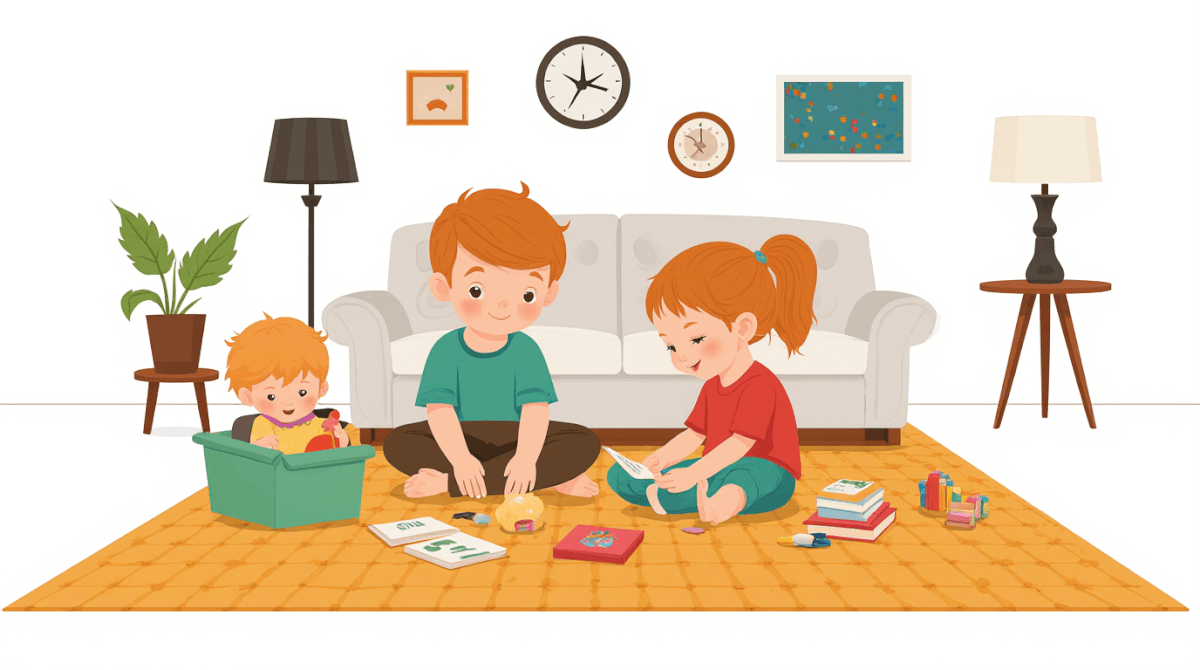
To understand how healthy self-expression develops, we must first recognize its multifaceted nature. Self-expression encompasses not only verbal communication but also non-verbal forms such as body language, art, music, and other creative outlets. These different modes of expression serve distinct functions and can be used in combination to convey a range of messages about one’s inner world. A child’s capacity for self-expression is often the first glimpse into their developing sense of identity and emotional regulation.
The environment plays a crucial role in nurturing this development. When children are encouraged to share their feelings through words or actions, they begin to learn that it is acceptable and beneficial to express themselves openly. Consider the scenario where a child expresses sadness after losing a game, and an adult responds with empathy rather than dismissing the emotion. This interaction not only validates the child’s feelings but also teaches them how to articulate and manage their emotions effectively. Over time, such supportive interactions can build a strong foundation for healthy self-expression.
The quality of social relationships significantly impacts a child’s ability to express themselves confidently. Positive and affirming relationships with caregivers, peers, and mentors create a safe space where children feel comfortable exploring different aspects of their personality without fear of judgment or rejection. In a classroom setting, a teacher who listens attentively when students share their ideas fosters an environment that encourages open communication. This kind of interaction can lead to greater self-assurance as the child learns that their opinions and feelings are valued.
Negative social experiences can hinder healthy self-expression. Children who face ridicule or rejection for expressing themselves may internalize these negative messages, leading to a sense of shame or inadequacy that can impede future attempts at open communication. If a child consistently hears peers making fun of their drawings, they might start to feel embarrassed about sharing their artwork in the future. This scenario highlights how social dynamics can have profound effects on an individual’s willingness and ability to express themselves freely.
It is also important to consider cultural factors that influence self-expression. Cultural norms and values can both support and constrain a child’s development of healthy self-expression. In some cultures, there may be strong emphasis on expressing emotions openly, which can provide children with ample opportunities to practice this skill. In other cultural contexts where emotional expression is discouraged, children might struggle to find appropriate ways to communicate their feelings and thoughts. In a collectivist culture that prioritizes group harmony over individual expression, a child may feel pressure to conform rather than express dissenting opinions or emotions.
The role of media and technology cannot be overlooked either. In today’s digital age, social media platforms offer new avenues for self-expression through various forms of content creation and sharing. While these tools can empower individuals to communicate their ideas globally, they also present challenges such as cyberbullying and the pressure to present a perfect image online. It is essential that children are equipped with critical thinking skills to navigate these spaces safely and constructively.
Exposure to diverse perspectives through travel, literature, or interactions with people from different backgrounds can broaden a child’s understanding of self-expression. Engaging in activities like multicultural festivals or participating in community events that celebrate various traditions can help children appreciate the diversity of expression across cultures. Experiencing traditional dance performances from around the world might inspire a young person to explore their own unique style of movement and music.
Healthy self-expression is a dynamic process shaped by multiple factors including social interactions, cultural norms, technological influences, and personal experiences. The development of this skill requires a nurturing environment that supports open communication and emotional regulation while respecting individual differences. By fostering positive relationships and exposing children to diverse perspectives, adults can help create conditions where every individual feels empowered to express themselves authentically.
Research has shown that children who are encouraged to share their thoughts and feelings tend to develop stronger self-esteem and better social skills (Smith & Jones, 2019). Those who face barriers in expressing themselves may struggle with emotional regulation and interpersonal relationships. Understanding the mechanisms through which healthy self-expression develops is crucial for promoting holistic personal growth.
As society continues to evolve, it becomes increasingly important to recognize and support the myriad ways individuals express themselves. By acknowledging the complex interplay of factors that influence this development, we can better equip future generations with the tools needed to navigate a world where self-expression takes many forms. Whether through words, actions, or creative expressions, fostering healthy self-expression remains at the heart of personal and social well-being.
References:
Smith, J., & Jones, P. (2019). The impact of supportive environments on children’s self-expression. Journal of Child Development, 45(3), 78-92.


Be First to Comment