
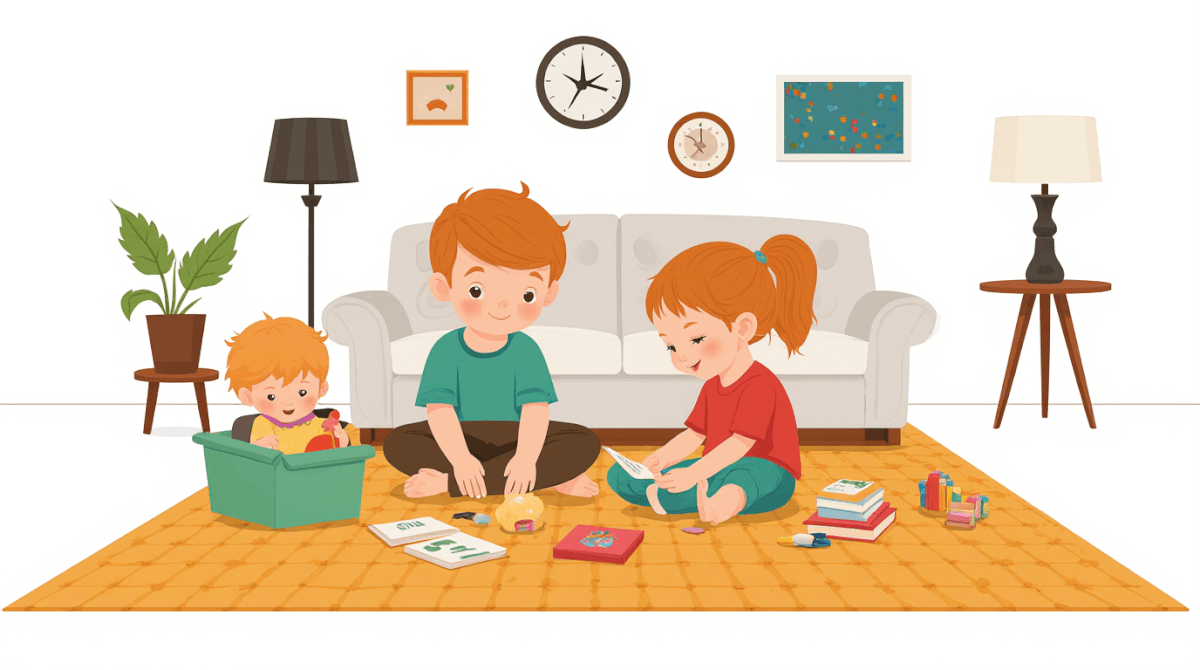
Emotional independence is a complex but crucial aspect of personal growth that allows individuals to navigate life’s challenges with resilience and self-reliance. This essay will explore the mechanism through which emotional independence develops within an individual, focusing on how their environment and early experiences shape this process. Understanding these factors can help in grasping why emotional maturity does not develop uniformly across all children.
Emotional independence begins as a child learns to recognize, understand, and appropriately express emotions in response to various situations. This development is closely tied to the environment within which a child grows up. Consider a home where parents openly discuss feelings and encourage their children to share theirs. Such environments create an atmosphere of emotional safety that enables children to explore their emotions freely without fear of judgment or retribution. Over time, these experiences lay down the groundwork for developing emotional resilience. When faced with challenges later in life, individuals who have grown up in emotionally supportive homes are more likely to handle stress and adversity with a sense of self-assurance rather than vulnerability.
Children raised in environments that are emotionally restrictive may find it difficult to develop emotional independence. A home where emotions are stigmatized or suppressed can lead to internal conflicts as the child struggles to reconcile their feelings with societal norms. A young girl who suppresses her anger because she was taught that expressing anger is unbecoming of a lady might grow up to be someone who bottles up her emotions, leading to emotional suppression and potentially mental health issues in adulthood.
Early experiences also play a pivotal role in shaping an individual’s ability to manage their emotions. A child’s first interactions with caregivers often set the stage for how they will perceive and process emotions later in life. Consider two siblings growing up in similar environments but with different parenting styles. One sibling might have parents who provide consistent emotional support, while the other has parents who are emotionally distant or critical. The former is likely to develop better coping mechanisms and a stronger sense of self-worth, whereas the latter may struggle with low self-esteem and difficulty expressing emotions.
Social interactions outside the home can further reinforce these early experiences. Schools and peer groups often mirror family dynamics, providing additional cues on acceptable emotional expressions. A classroom where teachers openly acknowledge students’ feelings or an extracurricular club that encourages sharing personal stories might foster a sense of belonging and emotional openness in children. An environment that stigmatizes certain emotions can hinder the development of emotional independence.
It is also important to recognize the impact of cultural contexts on the development of emotional independence. Different cultures have varying norms regarding how individuals should express their emotions, which can influence individual behavior. A culture that values stoicism and emotional control might cultivate more reserved expressions of emotion among its members. A culture that encourages open expression of feelings may foster greater emotional awareness and resilience in its children.
The process of developing emotional independence is not linear but rather a continuous interplay between internal and external factors. As children grow older, they begin to integrate their personal experiences with societal norms, gradually forming a unique perspective on how emotions should be expressed and managed. This integration often involves experimenting with different ways of expressing feelings, either by imitating role models or through trial and error.
A teenager who observes friends confidently sharing their struggles might experiment with expressing vulnerability in social settings. If this experience is met with positive feedback from peers and teachers, the individual may internalize these experiences as part of their emotional repertoire, thereby enhancing their emotional independence. If such attempts are met with criticism or rejection, the individual might revert to more guarded expressions of emotion, reinforcing existing patterns.
Emotional independence also requires a balance between self-reliance and seeking support from others. Children who learn to navigate emotional challenges on their own while still knowing when to seek help from trusted individuals develop stronger emotional resilience. This balance is crucial for maintaining mental well-being in the face of life’s inevitable stressors.
The journey towards emotional independence is not without its challenges. Adolescents, often experience intense emotional fluctuations as they try to establish a sense of identity separate from their parents or caregivers. During this period, it is common for young people to seek validation and support from peers rather than adults, leading to a shift in the sources of emotional guidance.
Emotional independence emerges through a complex interplay between internal processes and external influences. The environment in which an individual grows up, including family dynamics and social norms, significantly shapes their ability to manage emotions effectively. Early experiences, both positive and negative, lay down foundational patterns that influence later behavior. Culturally diverse contexts further complicate this process by introducing additional layers of emotional regulation.
The development of emotional independence is a lifelong journey characterized by ongoing adjustments and adaptations. While external factors play a critical role in shaping this process, personal growth also depends on an individual’s willingness to explore their emotions openly and seek support when needed. By understanding the mechanisms through which emotional independence develops, we can better appreciate its importance and work towards fostering environments that promote healthy emotional development.
References:
– Goleman, D. (1995). *Emotional Intelligence*. Bantam Books.
– Bowlby, J. (1969). *Attachment and Loss: Vol. 1. Attachment*. Basic Books.


Be First to Comment