
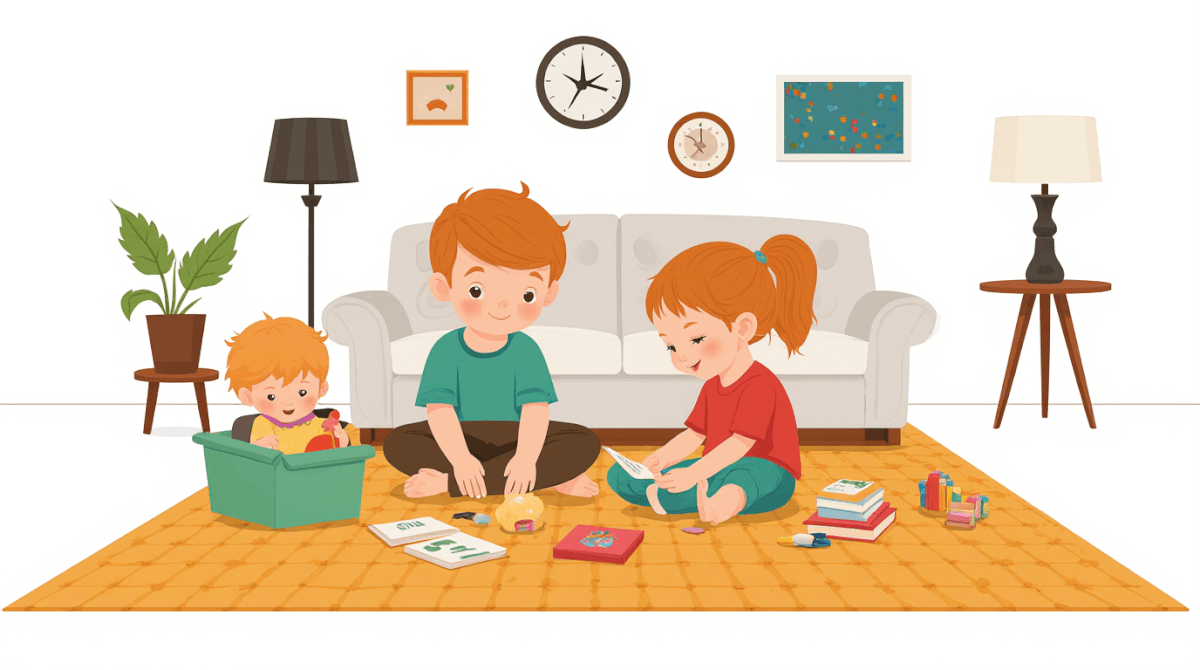
The mechanism through which this development occurs primarily revolves around the formation of secure attachment bonds between young children and their caregivers. Secure attachments are foundational not only in early infancy but also throughout childhood and adolescence, influencing how individuals perceive themselves and others, and consequently, shaping their ability to handle emotions effectively.
In the initial stages of life, infants develop emotional balance through a process that begins with forming a secure base. This concept was introduced by attachment theorists such as John Bowlby, referring to the infant’s reliance on a caregiver for emotional support and security. When an infant is in distress, a responsive and sensitive caregiver can soothe them, teaching the child that they have someone to rely on during challenging times.
Imagine a scenario where a baby cries because they are hungry or uncomfortable. A responsive parent might promptly soothe the baby by feeding them or holding them gently, thereby providing emotional comfort. Over time, this repeated interaction teaches the infant that their needs will be met and that they can trust others to provide support during distressing situations. This consistent experience forms the foundation of a secure attachment.
Secure attachments go beyond immediate physical comfort; they also involve understanding the child’s emotions and validating them. When parents acknowledge and validate their children’s feelings—whether positive or negative—they are teaching them how to identify and manage their own emotions. If a young child becomes upset because another kid takes their toy, a parent who validates the child’s feelings by saying, “I can see you’re feeling sad that your toy was taken,” is helping the child learn about their emotional responses and the appropriate ways to express them.
As children grow older, these foundational experiences continue to shape their ability to navigate emotions. The quality of attachment relationships influences how children perceive themselves in relation to others, impacting their self-esteem and emotional regulation skills. Children who have secure attachments are more likely to develop a positive sense of self-worth, feeling confident in their abilities and capable of handling stress effectively.
Insecure or disorganized attachments can lead to difficulties in emotional balance. Children with an avoidant attachment style might struggle to seek help when they are upset because they have learned from early experiences that seeking support does not yield positive results. Alternatively, children with a dependent attachment may become overly reliant on others for emotional comfort and validation, leading to challenges in self-regulation.
The environment also plays a crucial role in the development of emotional balance. Beyond interactions with caregivers, the broader social context shapes how young minds process emotions. A supportive family atmosphere that encourages open communication about feelings can foster better emotional regulation skills. Children who grow up in households where emotions are openly discussed and validated are more likely to develop healthy coping mechanisms for dealing with stress.
School environments also contribute significantly to this development. Classrooms that promote emotional intelligence—teaching children to recognize, understand, and manage their own emotions as well as those of others—can enhance overall emotional balance. Peer interactions in school provide opportunities for children to practice managing conflicts and resolving disputes, which are crucial skills in emotional regulation.
The cultural context influences how emotions are perceived and expressed within a community. In cultures that emphasize collectivism, where group harmony is valued over individual expression, children might learn to suppress certain emotions to maintain social cohesion. In more individualistic cultures, there may be greater encouragement for expressing a wide range of emotions freely.
The influence of technology and media cannot be overlooked either. The digital age exposes young minds to an overwhelming amount of information, including content that can evoke strong emotional responses. Parents and educators need to guide children on how to process this information healthily, ensuring they develop critical thinking skills about the sources of their emotions.
The development of emotional balance in young minds is a multifaceted process deeply influenced by secure attachment relationships with caregivers, broader social environments, cultural contexts, and the impact of technology. By understanding these mechanisms, we can better support children as they navigate the complexities of emotional management, fostering resilient and emotionally balanced individuals capable of thriving in today’s world.
References:
Bowlby, J. (1969). Attachment and Loss: Vol. 1. Attachment. Basic Books.
Ainsworth, M. D., Blehar, M. C., Waters, E., & Wall, S. (1978). Patterns of Attachment: A Psychological Study of the Strange Situation. Erlbaum.


Be First to Comment