
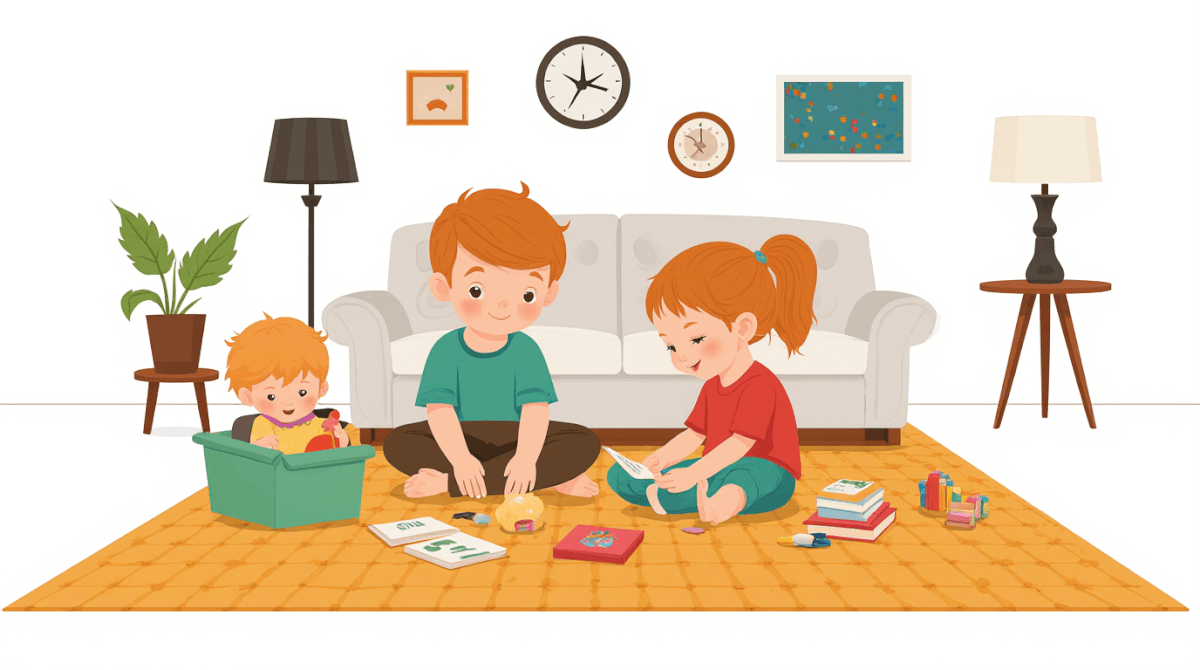
The early years of a child’s life are marked by profound changes as they develop a sense of accountability and begin to understand the world through their interactions with caregivers and peers. This process is not instantaneous but unfolds over time, influenced by countless daily exchanges and the emotional security provided by the home environment. As children grow, these interactions shape their confidence, identity, and self-regulation, laying the groundwork for their future responsibilities.
At its core, accountability involves recognizing one’s actions and understanding the consequences of those actions on oneself and others. It is a complex skill that develops gradually as children navigate their emotional and social worlds. When a young child is encouraged to clean up their toys after playtime, they are beginning to understand that their actions have effects. This simple task, repeated over time, helps them internalize the idea of responsibility.
Emotional security plays a pivotal role in this development. When children feel secure and supported by their caregivers, they are more likely to take on challenges and learn from mistakes without the fear of severe repercussions. A warm and nurturing home environment fosters emotional safety, allowing children to explore and experiment. If a child is given the opportunity to plant seeds in a garden and learns that watering them regularly helps them grow, this experience can lead to a sense of agency and responsibility. Over time, repeated positive experiences like these build a foundation of trust and resilience.
Identity formation is another critical aspect of accountability development. As children observe their caregivers and participate in daily routines, they begin to see themselves as capable and competent individuals. This process is not just about learning tasks but also understanding one’s role within the family and community. When a child helps set the table or participates in family decision-making processes, they are being integrated into the social fabric of the home. These interactions contribute to the child’s growing sense of self and their recognition of their contributions.
Self-regulation, which encompasses both emotional and behavioral control, is also essential for developing accountability. Children learn to manage their emotions and behaviors through consistent routines and expectations set by caregivers. When a caregiver responds calmly to a child’s tantrum and guides them to express their feelings in a constructive way, the child begins to internalize these responses. Over time, such experiences help children develop the ability to recognize and address their emotions and behaviors appropriately.
It is important to note that the path to accountability is not always smooth. Tension can arise between support and overprotection, which can affect how accountability is fostered. A child who is consistently rescued from difficult situations by caregivers might find it challenging to take on responsibilities independently. The constant reassurance can undermine their sense of capability and make them overly reliant on others. An environment where children are left to handle every situation without support might lead to feelings of frustration and inadequacy.
Balancing these tensions requires thoughtful and consistent parenting. Caregivers who provide a supportive yet challenging environment help children develop resilience and self-reliance. When a child faces a small challenge, such as learning to tie shoelaces, caregivers can offer encouragement and guidance rather than taking over the task. This approach allows the child to experience success and failure in a safe space, fostering a sense of accomplishment and independence.
Accountability is not just about following rules but also understanding why certain behaviors are important. When children are involved in decision-making processes and given reasons for their actions, they begin to internalize values and principles. If a family decides to donate a portion of their income to charity, discussing the reasons behind this decision with the child can help them grasp the importance of giving back. These conversations not only teach responsibility but also instill a sense of moral awareness.
As children grow older, the complexity of their responsibilities increases, requiring more nuanced guidance from caregivers. When a child is given chores that are beyond basic cleaning tasks, such as preparing a simple meal or managing a project with siblings, they are being prepared for more significant responsibilities in the future. These experiences help them develop organizational skills, time management, and problem-solving abilities—essential components of accountability.
The development of accountability in young children is a multifaceted process that involves emotional security, identity formation, and self-regulation. It unfolds through daily interactions and the support provided by caregivers. While challenges such as overprotection or lack of support can impede this growth, balanced and thoughtful parenting can foster an environment where children develop the skills and confidence to take on responsibilities. As children grow, these early experiences shape their understanding of themselves and their place in the world, setting the stage for a lifelong journey of self-responsibility and contribution.
Related Reading
– Daniel Stern — The Interpersonal World of the Infant
– James Heckman — The Economics of Early Childhood



