
Accountability is a fundamental aspect of personal responsibility that develops gradually during childhood. As children grow, they learn to take ownership of their actions and understand the consequences of their behavior on themselves and others. This process involves not only individual development but also influences from social, cultural, and relational contexts. Through these interactions, children begin to recognize their role within various settings—family, school, community—and gradually develop a sense of accountability that prepares them for adulthood.
To explore how this concept shapes child development, we can examine the role of parental guidance in instilling a sense of responsibility. Parents play a critical role as primary caregivers and mentors who shape children’s understanding of what it means to be accountable. Early interactions with parents often set the stage for this learning process. When a parent consistently acknowledges their child’s efforts and discusses the importance of chores or homework, they are reinforcing the notion that actions have consequences.
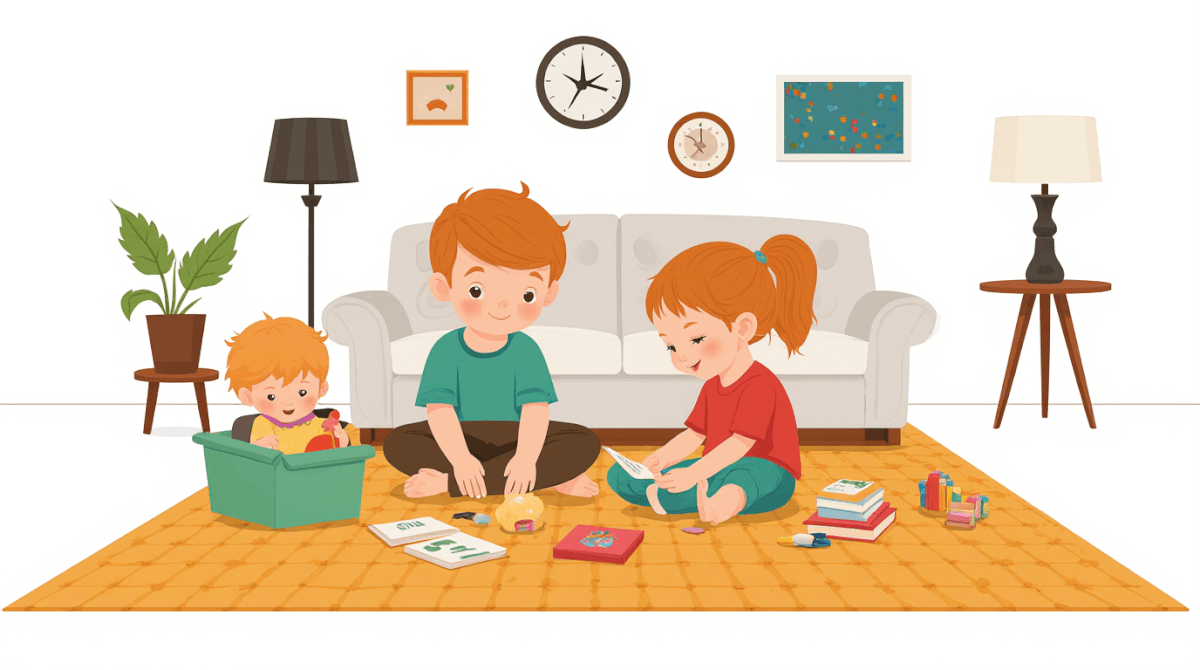
Consider the example of assigning household tasks. When parents explain why certain chores are important—such as cleaning up toys to keep the house tidy—and link these activities with positive outcomes like family bonding time, children begin to grasp the connection between their actions and the overall well-being of the home environment. This experience teaches them that they have a role in maintaining order and contributing positively to their community.
Parental guidance can be seen through disciplinary methods. When parents use age-appropriate consequences for misbehavior—such as grounding or loss of privileges—they are helping children understand that inappropriate actions come with negative repercussions. If a child consistently fails to complete homework, the parent might restrict screen time or limit social activities until the task is completed. Such interventions serve as teaching moments, enabling children to learn from their mistakes and develop strategies for managing future challenges.
The environment outside of the home also plays a significant role in fostering accountability. Schools provide structured opportunities for children to take responsibility in various settings. Classroom assignments that require group work encourage students to share responsibilities and communicate effectively with peers. Teachers often assign roles within groups—such as a recorder or timekeeper—which help students understand their specific contributions are vital to the success of the project.
Classroom dynamics further reinforce these lessons. When teachers emphasize teamwork and recognize individual efforts during class presentations, they model accountability in action. If a student leads a group discussion on a topic of interest, the teacher acknowledges their contribution by inviting others to ask questions or build upon their ideas. This recognition encourages students to see value in contributing positively to collaborative tasks.
In addition to formal educational settings, community involvement offers practical opportunities for children to develop accountability skills. Volunteering for local events or participating in group sports can teach children about the importance of commitment and following through with responsibilities. Joining a scout troop might require regular attendance at meetings and completion of projects, such as maintaining a campsite or preparing food for community dinners. These activities instill a sense of duty and prepare children to meet commitments outside their homes.
Cultural norms also influence how accountability is understood and practiced in childhood. In many cultures, respect for authority figures—such as teachers or elders—is deeply ingrained from an early age. This respect can extend to following rules and regulations set by institutions like schools or workplaces. In some societies, children are taught to greet adults politely, complete homework promptly, and adhere to school policies without question. While this may seem restrictive, it helps establish a framework of behavior that fosters a sense of responsibility.
Other cultures might prioritize individual autonomy and personal choice. In such contexts, teaching accountability often involves fostering self-discipline and critical thinking skills rather than strict adherence to external rules. Children in these environments are encouraged to set their own goals and devise plans to achieve them, with support from parents or mentors. This approach emphasizes the importance of independent decision-making and personal responsibility.
Finally, peer relationships play a crucial role in shaping children’s understanding of accountability. Interactions with peers provide opportunities for negotiation, conflict resolution, and mutual support. During group projects, children learn to resolve disagreements by discussing different viewpoints and finding common ground. These interactions help them develop empathy and the ability to consider others’ perspectives when making decisions.
The development of accountability in childhood is a multifaceted process that involves social, cultural, and relational contexts. Through consistent guidance from parents, structured learning environments like schools, community involvement, and the influence of broader societal norms, children gradually learn to take ownership of their actions and understand their impact on others. This journey towards personal responsibility prepares them for more complex roles in adulthood, fostering well-rounded individuals capable of contributing positively to society.
References:
[1] Steinberg, L., & Morris, A. P. (2001). Adolescent development. Annual review of psychology, 52(1), 83-110.
[2] Smetana, J. G., Campione-Barr, N., & McElroy, B. (2014). Accountability and children’s moral competence: A social-cognitive model. Child Development Perspectives, 8(3), 179-184.
Related Reading
– Howard Gardner — Frames of Mind
– Bruce D. Perry — The Boy Who Was Raised as a Dog



Be First to Comment