
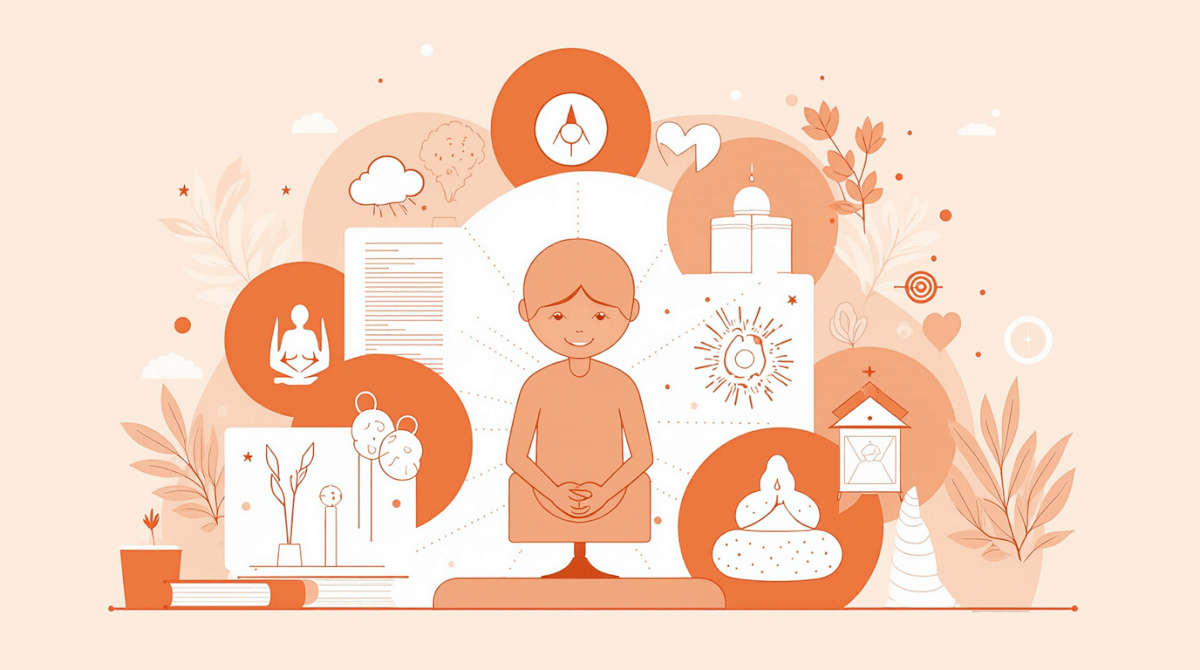
In this continuous journey, moments of solitude are often poignant reminders of the fragility and depth within us. A quiet afternoon spent reflecting on the beauty of nature can evoke a sense of awe and wonder, bridging the gap between the physical and the spiritual realms. These experiences remind us that our inner worlds are vast and complex, filled with layers of meaning that we are continually uncovering.
The tension between certainty and uncertainty is perhaps one of the most compelling aspects of this journey. At times, we may feel secure in our beliefs, finding comfort in the familiar patterns of thought and practice. As life presents unexpected challenges and questions, these certainties begin to waver, leaving us with a sense of disorientation and doubt. This discomfort is not necessarily a negative experience but rather an opportunity for deeper introspection and growth.
Consider the moment when facing a significant moral dilemma. The choice we face often forces us to confront our deepest values and beliefs. In such instances, there is no easy answer or predetermined path. Instead, we are compelled to engage with the uncertainty, allowing it to challenge and refine our inner compass. This process of wrestling with doubt can be painful but ultimately enriching, as it fosters a more nuanced understanding of ourselves and the world around us.
Presence and absence also play crucial roles in this spiritual development. Moments of presence—when we are fully engaged in the present moment—are rare yet profoundly meaningful. These moments allow us to experience life deeply, connecting with both our immediate surroundings and our inner selves. Periods of absence can be just as significant, offering space for reflection and healing. In these quieter times, we may find ourselves questioning the very nature of reality and our place within it.
Control and surrender are two intertwined forces that shape our spiritual journeys. There is a natural human tendency to seek control—whether over our lives, circumstances, or even our thoughts. This desire for mastery can be both empowering and limiting. It can fuel ambition and resilience but also create stress and anxiety when faced with inevitable uncertainties. Surrender requires letting go of these rigid control mechanisms and embracing a more fluid sense of self. Surrender does not mean passivity; rather, it involves releasing our attachments to outcomes and allowing life’s complexities to unfold in their own time.
Doubt and trust are perhaps the most dynamic duo on this path. Doubt can be seen as a necessary precursor to true trust, challenging us to question our assumptions and beliefs. It invites us into a realm of openness where we can explore new possibilities without fear of failure or judgment. As we navigate these doubts, we gradually build a foundation of trust—a belief in the inherent goodness and interconnectedness of all things. This trust is not blind; rather, it arises from a deepened understanding of oneself and the world.
The continuity of spiritual development over time is thus a complex interplay of these inner tensions. It requires us to engage with our doubts and uncertainties while also embracing moments of presence and control. Each moment on this journey contributes to a deeper understanding of ourselves and the essence of our existence. This process is not linear or easily defined but rather a multifaceted, ever-evolving narrative.
The continuous spiritual development over time is an intimate exploration of one’s inner landscape. It involves navigating the intricate dance between certainty and uncertainty, presence and absence, control and surrender, doubt and trust. Each step along this path is unique to the individual, offering profound insights into the human condition and our place in the world.
To explore the broader framework behind this topic, read
Living Your Beliefs: When Faith and Spiritual Awareness Meet Daily Life.
Related Reading
– David R. Hawkins — Letting Go
– Joseph Goldstein — Mindfulness


Be First to Comment