- Ancient Greece transformed storytelling from mythic narratives to rational inquiry.
- Early philosophers sought natural explanations beyond gods for worldly phenomena.
- The shift from myth to reason laid the foundation for Western intellectual tradition.
- These ideas continue influencing modern science, ethics, and critical thinking.
From Mythic Origins to Rational Inquiry
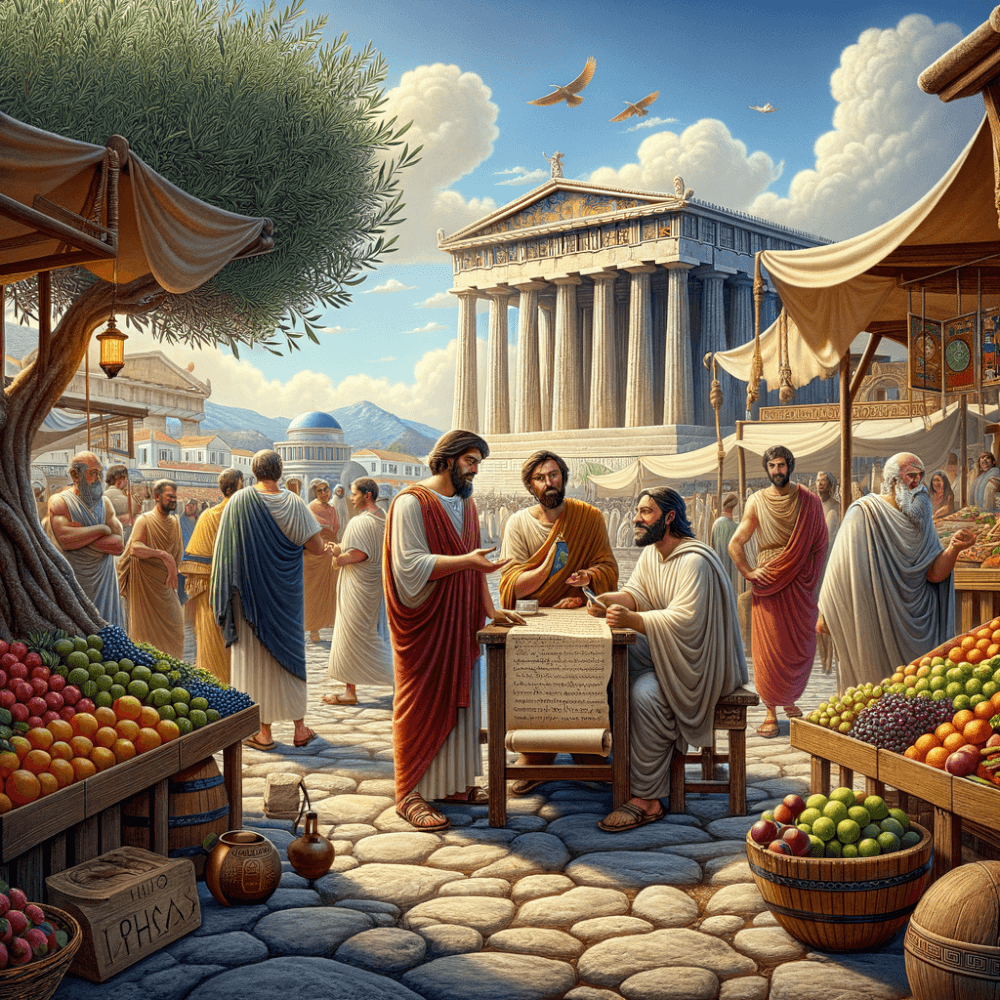
In ancient Greece, the birth of philosophy marked a seismic shift in human thought, moving away from mythological explanations toward reasoned understanding of the world. Before this transformation, societies explained natural phenomena and human experience through rich mythologies, where gods and supernatural forces played central roles. Greek myths provided narratives that addressed existential questions, yet these often relied on divine intervention and allegorical storytelling rather than empirical observation or logical argumentation. However, as Greek city-states like Ionia prospered through trade and cultural exchange, there was increased curiosity about the underlying principles governing reality.
Thinkers like Thales of Miletus proposed that natural events could be explained by fundamental substances or principles, such as water, rather than by mythic deities. This approach emphasized observation and reasoning, pioneering a method that sought cause and effect without invoking supernatural agency. The significance of this lies in the transition from accepting inherited stories to questioning and testing ideas—a hallmark of rational inquiry. Philosophers like Heraclitus and Parmenides further debated concepts of change and permanence, encouraging deeper analysis of existence itself. This methodological evolution is foundational for modern science and philosophy: it empowers questioning assumptions and seeking evidence, an approach that remains crucial in technology development and scientific breakthroughs today, such as artificial intelligence relying on logic rather than superstition.
Rationalism’s Enduring Legacy and Modern Resonance
The emergence of early Greek philosophy illuminated the enduring power of reason to structure knowledge. Figures like Socrates epitomized this movement by challenging complacency and encouraging dialectic methods—dialogues that dissected moral and epistemological questions critically. This emphasis on logic and ethical inquiry not only laid the groundwork for Plato’s idealism and Aristotle’s empirical observations but also shaped the Western canon’s approach to knowledge and governance. For instance, Aristotle’s formulation of syllogistic logic established formal reasoning structures that remain central in computer algorithms and programming languages today.
Why does this ancient shift matter now? In an era awash with information and misinformation, the Greek legacy champions critical thinking, urging us to evaluate claims based on evidence and reason rather than accepting them at face value. Philosophical inquiries from this period also inform contemporary debates about human nature, justice, and knowledge—issues echoed in modern political discourse, artificial intelligence ethics, and scientific methodology. The Greeks’ move from myth to reason thus forms an intellectual scaffolding supporting not only scientific innovation but also societal progress, underscoring the indispensable skill of reflective skepticism in navigating the complexities of contemporary life.
The Transformative Impact on Human Culture
Beyond epistemology, the transition from myth to reason deeply influenced cultural identities and collective worldviews. Myths often served communal functions, embedding values and shared identity through stories. However, the rise of philosophy introduced a critical element of universal inquiry: ideas evaluated on logical consistency and experiential verification rather than tradition. This evolution represented a democratization of knowledge where any individual engaging in reasoned dialogue could contribute to understanding human existence.
This democratization influences how modern societies approach education and public discourse. For instance, the Socratic method underpins contemporary pedagogical techniques that encourage questioning and active engagement rather than rote memorization. Furthermore, the emphasis on reason catalyzed the Enlightenment centuries later, eventually inspiring democratic ideals, human rights, and scientific revolutions. The ancient philosophical tradition teaches us that rational debate, evidence-based conclusions, and ethical reflection are vital tools for cultural and technological advancement. In an age dominated by digital media and rapid innovation, returning to these roots highlights the need for critical frameworks to navigate information, preserving intellectual integrity and fostering compassionate civic participation.
In sum, the birth of philosophy in ancient Greece marks not just a historical milestone but a persistent influence on how humanity perceives and interrogates reality. This genesis from myth to reason underlines the power of inquiry as both a personal and collective endeavor, essential for the continued evolution of society and knowledge.
Reflective Conclusion
Considering the ancient shift from myth to reason invites us to reflect on our own daily encounters with truth and meaning. We live amid a flood of information and competing narratives, yet the ancient Greek philosophers remind us of the enduring value of questioning assumptions and seeking coherent explanations grounded in logic and evidence. Whether deciding personal values, technological choices, or societal policies, the legacy of philosophy urges a deliberate and reflective stance toward knowledge. This mindset cultivates intellectual humility and resilience, enabling us to navigate uncertainty without succumbing to dogma or simplistic answers. In essence, the birth of philosophy is not only a chapter in history but a living tradition that empowers human experience—encouraging us to think critically, live ethically, and connect thoughtfully in an ever-complex world.