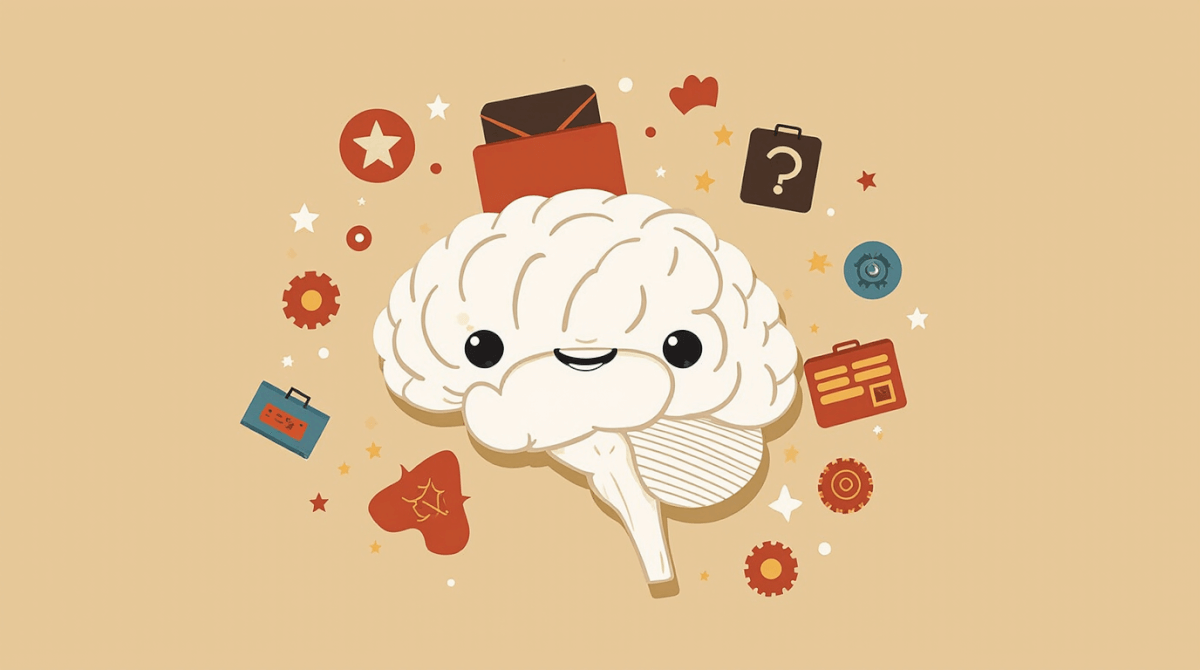
Logic serves as the rational, structured framework through which we interpret the world, analyze information, and make decisions based on evidence and reason. It is the voice of the left hemisphere of the brain, often associated with analytical thinking, problem-solving, and planning. Logical processes help us to navigate complexity by breaking down problems into manageable parts, allowing us to evaluate alternatives, and arrive at conclusions that are supported by empirical data and logical reasoning. The process of logical thinking can be both empowering and liberating, providing a sense of control and order in the face of uncertainty.
Emotion, is the intuitive, instinctual, and often unconscious realm of experience. It operates from the right hemisphere of the brain, deeply rooted in the limbic system, which is responsible for our feelings, moods, and reactions to stimuli. Emotions can be seen as a direct reflection of our internal state, influenced by personal history, values, and cultural context. They are often more immediate, visceral, and multifaceted than logical reasoning, capable of guiding behavior through instinctive responses and shaping our perceptions in ways that logic alone cannot.
The interplay between these two mental processes is crucial for a balanced and fulfilling life. When logic and emotion work in harmony, they complement each other, creating a dynamic equilibrium that allows for both rational analysis and emotional intelligence. This balance is evident in many areas of human experience, from personal relationships to professional settings.
In personal relationships, the balance between logic and emotion can significantly influence our interactions and understanding of others. When making decisions about significant life events such as choosing a partner or starting a family, logical considerations like compatibility, financial stability, and future planning are essential. Emotional factors such as feelings of love, empathy, and connection are equally important. A balanced approach that acknowledges both reasoning and emotions can lead to more fulfilling and stable relationships.
Professionally, the balance between logic and emotion plays a vital role in decision-making and problem-solving. In fields like business, engineering, and law, the ability to analyze data, identify patterns, and make sound decisions based on logical reasoning is critical. Yet, emotional intelligence—understanding and managing one’s own emotions as well as recognizing and responding appropriately to the emotions of others—is equally important for building trust, leading teams, and resolving conflicts. A professional who can integrate both logical and emotional perspectives is often more effective in navigating complex situations and achieving success.
The balance between logic and emotion also influences our mental health and overall well-being. When these forces are in harmony, they contribute to a sense of balance and resilience. During times of stress or crisis, the ability to apply logical reasoning can help us to assess situations objectively and develop effective coping strategies. At the same time, emotional responses can provide valuable insights into our inner experiences and prompt us to seek support or make necessary changes.
An imbalance between logic and emotion can lead to significant psychological challenges. When logical thinking dominates, individuals may become overly analytical and rigid, missing out on the emotional richness of their experiences. This can result in feelings of disconnection, emptiness, or a lack of meaning in life. When emotions are the primary guide, decision-making can become impulsive and irrational, leading to poor choices that ignore practical considerations and long-term consequences.
Psychological patterns such as cognitive distortions, which are exaggerated or irrational thought processes, can further complicate the balance between logic and emotion. These patterns can distort our perception of reality, leading to emotional distress and poor decision-making. A person with perfectionistic tendencies may struggle to make decisions because they are overly focused on logical outcomes, while ignoring their emotional needs for satisfaction and fulfillment.
Stress, another significant factor in the balance between logic and emotion, can exacerbate these patterns. Chronic stress can overwhelm the body’s resources, leading to a state of heightened arousal that makes it difficult to think clearly or regulate emotions effectively. This can result in a vicious cycle where stress intensifies emotional reactivity, which in turn increases the perception of stress, further disrupting the balance.
To achieve a healthy balance between logic and emotion, individuals often benefit from practices that foster self-awareness and emotional regulation. Mindfulness meditation, encourages present-moment awareness and acceptance of emotions without judgment. This practice can help individuals to better understand their emotional responses and integrate them with logical reasoning, leading to more balanced decision-making.
Additionally, seeking support from trusted friends, family members, or professionals can provide an external perspective that helps in evaluating both logical and emotional inputs. Therapy, can offer a safe space to explore and process emotions while also considering practical solutions and logical approaches.
The balance between logic and emotion is a complex interplay that shapes our experiences and influences our decisions. While logic provides a structured framework for understanding and navigating the world, emotions enrich our lives by providing depth and meaning. Achieving a harmonious balance between these forces requires self-awareness, emotional intelligence, and an openness to integrating both rational and intuitive perspectives. By fostering this balance, individuals can lead more fulfilling and resilient lives, capable of navigating the complexities of the human experience with grace and wisdom.