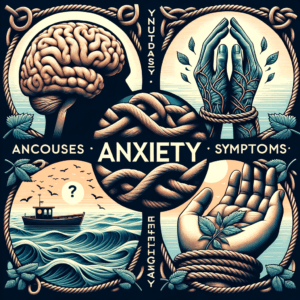
Anxiety is a pervasive companion for many individuals, manifesting as an overwhelming sense of dread or unease that can disrupt daily life. While it’s often associated with extreme cases, anxiety disorders come in various forms, from generalized anxiety to specific phobias, each with its unique set of challenges. The unsettling nature of these conditions lies in their unpredictable onset, making them feel both persistent and elusive.
Anxiety doesn’t just appear out of nowhere; it develops through a complex interplay of thoughts, emotions, and behaviors. At the core of this development is cognitive distortion—a pattern where negative thought patterns reinforce each other, creating a cycle that’s difficult to break without intervention. Someone might worry excessively about minor inconveniences, like being late for an appointment or running out of milk at home. These seemingly trivial issues can escalate into full-blown anxiety when the mind exaggerates potential consequences, leading to heightened stress and fear.
This cognitive pattern can be observed in everyday situations. Imagine a person who has a meeting scheduled with their boss. Instead of preparing calmly and rationally for this interaction, they might start thinking about all possible negative outcomes, such as being reprimanded or losing their job. These thoughts generate physical symptoms like sweating, increased heart rate, and shortness of breath, further amplifying the perceived threat and deepening anxiety.
Emotions play a crucial role in sustaining anxious states. Fear is often at the center of this emotional turmoil, but it’s not always explicit or rational. A person might feel a vague sense of impending doom without being able to pinpoint why they’re feeling that way. This lack of clarity can be particularly distressing because it leaves individuals questioning their mental health and stability.
Behaviorally, anxiety tends to limit a person’s engagement with the world. As worries about potential threats grow, so does avoidance behavior. Someone suffering from social anxiety might avoid attending gatherings or meetings where they fear judgment or criticism. This avoidance reinforces anxious thoughts and emotions by preventing individuals from facing their fears head-on and proving that these fears are often exaggerated.
Understanding this cycle is essential for managing anxiety effectively. It’s important to recognize that overcoming anxiety isn’t about eliminating all worries but rather learning how to navigate them without letting them dictate daily life. By acknowledging the cognitive, emotional, and behavioral aspects of anxiety, individuals can start to break down these barriers and regain control over their thoughts and actions.
One of the key steps is recognizing and challenging irrational beliefs. When anxious thoughts arise, instead of accepting them as facts, question their validity. Ask yourself if there’s evidence supporting these fears or if they’re based on assumptions that might not be accurate. This shift in perspective can start to dismantle the negative thought patterns fueling anxiety.
Similarly, addressing emotional responses is vital. While it’s natural to feel anxious sometimes, becoming overly reactive to these feelings often exacerbates them. Mindfulness practices like meditation and deep breathing exercises can help individuals observe their emotions without immediately reacting. By learning to sit with uncomfortable feelings rather than pushing them away or seeking quick fixes through unhealthy coping mechanisms (like excessive drinking), people can begin to manage anxiety more effectively.
Behavioral changes are also crucial in breaking the cycle of avoidance that often accompanies anxiety. Engaging in activities that were previously avoided because of fear can be daunting, but it’s essential for recovery. Gradually confronting fears helps individuals prove to themselves that outcomes aren’t as dire as their anxious mind suggests. Over time, this can reduce overall anxiety levels and improve confidence.
Social support is another critical component in managing anxiety. Sharing experiences with others who understand the challenges of anxiety provides a sense of solidarity and validation. Whether through support groups or conversations with friends and family, talking about struggles helps alleviate feelings of isolation and reinforces that one isn’t alone in their battle against anxiety.
While overcoming anxiety requires effort and patience, understanding its underlying mechanisms is the first step toward regaining control over one’s life. By addressing cognitive distortions, managing emotional responses, engaging in gradual behavioral changes, and seeking social support, individuals can develop strategies to navigate anxious thoughts without letting them dominate their lives. This journey isn’t about eradicating anxiety but learning to live with it more comfortably and effectively.