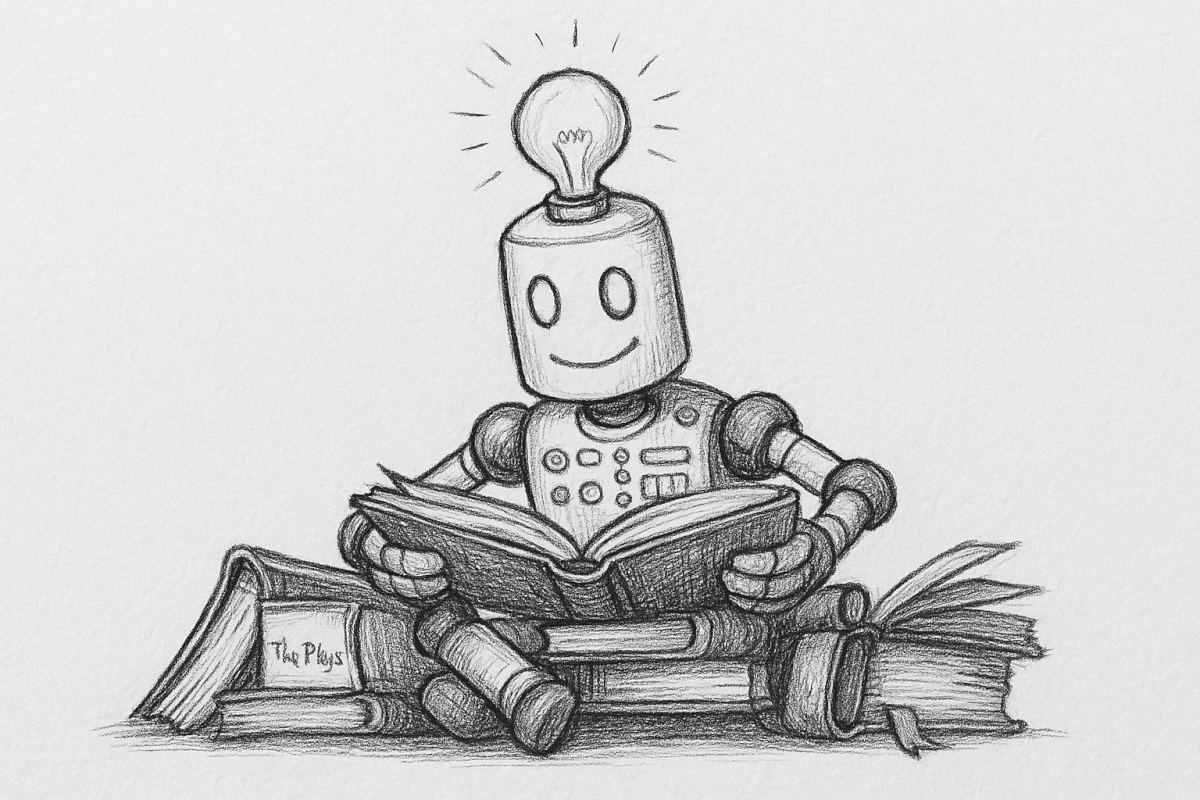
Understanding the intricacies behind stress involves delving into the ways our thoughts, feelings, beliefs, and behaviors intertwine to create an overwhelming internal experience. Stress is not merely a response to external events but is significantly shaped by how we internally interpret these occurrences.
When faced with challenging situations such as work deadlines or family responsibilities, our minds often adopt habitual thought patterns that exacerbate stress rather than mitigate it. If you have an important presentation at work approaching, your mind might begin imagining worst-case scenarios: envisioning negative judgments from colleagues and superiors should the presentation falter. These thoughts can spiral into a chain of negative emotions like fear and anxiety, distorting our perception of reality and hampering our ability to handle the situation effectively.
The accumulation of mental pressure often occurs gradually, starting with minor irritations that may seem insignificant at first but build up over time. Consider waking up late for work because you repeatedly hit the snooze button; this might lead to a rushed morning where small issues such as spilling coffee or missing your bus quickly escalate into full-blown stress. Over weeks and months, these daily hassles contribute to an increasing sense of strain that feels relentless.
Expectations play a significant role in fostering stress-related thought patterns. Setting high personal standards can push us towards perfectionism, leading to constant dissatisfaction with our performance. If you set extremely ambitious goals for yourself—whether related to career success or personal achievements—and frequently fall short, this can create ongoing mental pressure and foster feelings of inadequacy and frustration.
Someone might feel compelled to attend every one of their children’s after-school activities out of a sense of duty. Balancing work commitments with these demands can lead to exhaustion and resentment over time. The perception that attending each event is an obligation rather than a joy transforms what should be pleasurable moments into stressful obligations, further reinforcing negative thought patterns.
Perception itself is another crucial factor in the experience of stress. How we interpret events directly impacts our emotional response. If you perceive your job as a constant stream of challenges and obstacles instead of opportunities for growth, this mindset can heighten feelings of anxiety and despair. Viewing these same challenges as learning experiences could shift your perception towards resilience and empowerment.
Behavioral responses to stress are also deeply influenced by our thought patterns and emotional states. When stressed, individuals often engage in maladaptive coping mechanisms such as avoidance or overreaction, which provide temporary relief but exacerbate long-term issues. Someone might avoid confronting difficult conversations at work because they fear conflict, only to feel more anxious about unresolved problems piling up.
Understanding these internal dynamics is essential for developing a comprehensive approach to managing stress rather than relying on quick fixes. It’s not just about the external triggers but also how we process and react internally that shapes our overall experience of stress. Recognizing that your thoughts are malleable and can be retrained through mindfulness, cognitive-behavioral strategies, and self-reflection opens pathways for healthier emotional responses.
In summary, the internal mechanisms of stress involve complex interactions between thought patterns, emotions, perceptions, and behaviors. By acknowledging these factors and working on reshaping them, individuals can develop a more resilient mindset that better equips them to navigate life’s challenges without succumbing to overwhelming pressure. This understanding allows us to see stress not as an insurmountable obstacle but as an opportunity for growth and self-improvement through introspection and mindful action.
Stress is a multifaceted phenomenon deeply intertwined with our mental landscape, shaping how we perceive and interact with the world around us. By unraveling these intricate connections, we can foster greater awareness of our internal processes and develop more effective strategies to manage stress in our daily lives. When facing a daunting work project, instead of immediately focusing on potential failures, one might adopt a growth mindset by considering it an opportunity for learning and development. This shift in perspective can transform the experience from stressful to empowering.
Recognizing that small daily irritations can accumulate into significant sources of stress underscores the importance of addressing these issues promptly rather than ignoring them until they become overwhelming. Simple strategies such as setting aside time each day for relaxation or engaging in activities that bring joy and satisfaction can help mitigate the buildup of mental pressure. Taking a short walk during lunch breaks or dedicating evenings to hobbies can provide much-needed respite from daily stresses.
Additionally, understanding the role of expectations is crucial. While striving for excellence is commendable, setting unrealistic goals and holding oneself accountable to perfectionism can be detrimental. Instead, adopting realistic yet challenging objectives that foster personal growth without overwhelming pressure can lead to a more balanced and fulfilling life. Rather than aiming to complete an extensive project in one day, breaking it down into manageable tasks and celebrating small victories along the way can enhance motivation and reduce stress.
In essence, mastering the internal mechanisms of stress involves recognizing how our thoughts, emotions, perceptions, and behaviors interact to create a unique experience of pressure. By developing self-awareness and employing strategies that foster resilience and adaptability, we can transform stressful situations into opportunities for personal growth and fulfillment. This holistic approach not only helps manage immediate stress but also equips us with the tools necessary to navigate future challenges more effectively.
Understanding and managing stress is a continuous process of introspection and self-improvement. By acknowledging the intricate connections between our internal states and external experiences, we can cultivate a mindset that views stress as an opportunity rather than an obstacle. This perspective allows for greater resilience and personal development, enabling us to thrive even in challenging circumstances.