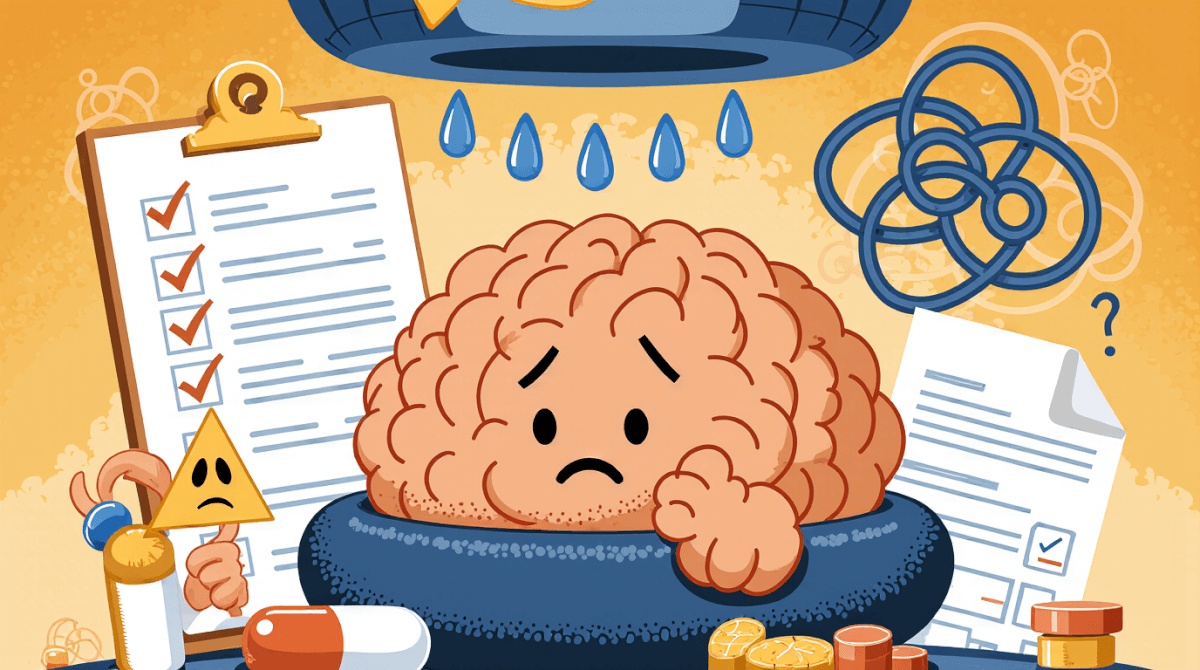
Mental overload, a state where the mind is consistently burdened with excessive thoughts, emotions, or responsibilities, can profoundly affect sleep patterns. This constant mental strain can lead to heightened stress levels and a racing mind, making it difficult to quiet the inner chatter necessary for sleep. The brain becomes overactive, with worries about work, relationships, and personal goals swirling around, leaving little room for rest and recovery. The result is often insomnia or restless nights, where even after lying in bed for hours, finding oneself awake and anxious is a common occurrence.
Constant stimulation, whether from the relentless news cycle, social media updates, or the ever-present screens of our devices, further contributes to this state of mental overload. Each notification, email, or piece of information that demands our attention can fragment our focus, breaking the seamless flow of thought and making it challenging to achieve a state of deep relaxation needed for sleep. This fragmentation not only disrupts sleep but also depletes our cognitive resources, leaving us more vulnerable to emotional instability.
The impact of such disturbances on emotions is profound. When the brain is continually engaged in processing external stimuli, it has fewer resources available for emotional regulation. Emotional neglect, whether stemming from a lack of self-care or an environment that does not prioritize emotional well-being, further exacerbates this vulnerability. The absence of a safe space to process and express emotions can lead to a buildup of feelings that spill over into daily life, causing heightened irritability, mood swings, and a general sense of unease.
Attention, becomes a critical factor in managing both sleep disturbances and emotional instability. When our minds are scattered, it is difficult to fully engage with the present moment, leading to feelings of disconnection and distress. By setting clear boundaries around time spent on devices and engaging in activities that promote mindfulness, such as meditation or journaling, we can begin to regain a sense of control over our thoughts and emotions. These practices help to calm the mind, allowing for a more relaxed state that is conducive to sleep.
Rest is not just about the absence of activity; it is an active process of recovery and renewal. Adequate rest allows the brain and body to repair and reset, essential for maintaining emotional stability. During deep sleep, the brain processes emotions, consolidates memories, and restores energy levels. When this process is disrupted, it can lead to a cycle of emotional dysregulation, where even minor triggers can evoke intense reactions.
Boundaries, both external and internal, are crucial in this context. External boundaries involve setting limits on when and how technology and other distractions are used. Establishing a device-free period before bedtime or designating specific times for checking emails can significantly reduce the intrusion of external stimuli. Internal boundaries involve recognizing and respecting one’s need for quiet time and downtime. Practicing self-compassion and allowing oneself to experience emotions without judgment can also help in managing emotional instability.
Reflection is another vital aspect that ties into both sleep disturbances and emotional instability. By taking time to reflect on daily experiences, one can gain insight into patterns and triggers that contribute to these issues. This reflective practice can be as simple as keeping a journal or engaging in regular self-reflection sessions. Reflecting on the day’s events, noting successes and challenges, and identifying areas for improvement can foster a sense of clarity and control.
Understanding the mechanisms behind these phenomena is key to developing a deeper appreciation for their impact. The process of constant distraction not only depletes cognitive resources but also fragments attention. This fragmentation can make it difficult to achieve the state of focused relaxation necessary for sleep. Similarly, emotional neglect can lead to a buildup of unprocessed emotions, creating a reservoir of stress that is easily triggered by minor setbacks.
In summary, sleep disturbances and emotional instability are deeply interrelated processes that can significantly impact one’s mental health. By recognizing the role of mental overload, constant stimulation, and emotional neglect, we can begin to understand the underlying factors contributing to these issues. Practices such as setting boundaries, allowing for rest, and engaging in reflection can provide a foundation for managing these challenges, fostering a more balanced and stable state of being.