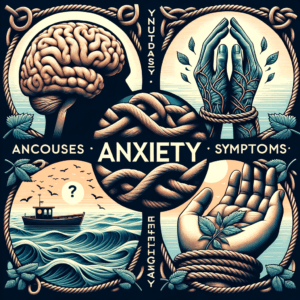
Anxiety is a common experience in today’s world, arising from the myriad challenges we face daily—whether it be financial worries, busy work schedules, relationship issues, or even the stress of traffic jams. While anxiety can serve as a protective mechanism by alerting us to potential dangers and motivating action, persistent or excessive worry can interfere with our ability to function normally and potentially evolve into an anxiety disorder.
The development of anxious thoughts often stems from the brain’s tendency to overestimate threats while underestimating personal abilities in challenging situations. When you have a tight deadline at work, your mind might exaggerate how catastrophic missing it would be, while simultaneously minimizing your capacity to handle the task effectively. This pattern leads to incessant worrying and is often accompanied by physical symptoms such as an accelerated heartbeat, sweating, or muscle tension.
Consider a common scenario: preparing for a job interview can trigger intense anxiety. Your thoughts may spiral into worst-case scenarios like, “What if I don’t know enough?” or “What if they think I’m overqualified and dismiss me as too ambitious?” These negative predictions heighten your physical discomfort and can undermine your actual performance in the interview.
Anxious thinking tends to be unrealistic, magnifying perceived threats while overlooking personal strengths. Recognizing this pattern is the first step toward breaking free from it. By questioning the validity of anxious thoughts, you can shift focus back onto practical solutions rather than being consumed by fear and uncertainty.
A useful technique for managing anxiety involves examining the evidence supporting your worried thoughts. If you’re apprehensive about a test due to inadequate preparation, ask yourself: “Is there really no chance I could still pass?” Often, this reflection reveals that while challenges exist, they are not insurmountiable. It helps to reframe anxious thoughts by considering more balanced perspectives and identifying practical steps to address the issue.
Mindfulness and meditation offer valuable tools for grounding oneself amidst anxious thoughts. Instead of reacting immediately with fear or distress upon receiving an email from your boss, take a moment to breathe deeply and observe the sensations in your body before responding calmly and thoughtfully. This practice helps interrupt the cycle of escalating worry by bringing you back into the present moment.
Engaging in activities that bring joy and relaxation can also mitigate anxiety symptoms. Whether it’s spending time with loved ones, pursuing hobbies you enjoy, or simply taking a walk outside, these experiences foster resilience against future stressors by providing immediate relief and pleasure. The sense of accomplishment from engaging in enjoyable activities can boost your self-confidence and help alleviate feelings of anxiety.
Physical activity is another effective strategy for managing anxiety. Regular exercise triggers the release of endorphins, chemicals in your brain that act as natural painkillers and mood enhancers. Even short bursts of physical activity like brisk walking can significantly reduce anxious feelings. The regular practice of physical activities not only improves your overall health but also helps regulate your emotional state.
Maintaining healthy lifestyle habits such as balanced nutrition and adequate sleep is crucial for reducing anxiety symptoms. Poor eating habits or insufficient rest exacerbate stress by making your body more vulnerable to the effects of cortisol, a stress hormone that can contribute to feelings of anxiety and overwhelm. Ensuring you have proper nutrition and enough rest allows your body and mind to better cope with daily pressures.
Setting realistic boundaries in daily life is equally important for managing pressures effectively. Knowing when to say no without feeling guilty helps prevent overextending yourself and accumulating unnecessary stress. This involves prioritizing tasks, setting clear limits on commitments, and recognizing the importance of self-care in maintaining mental health.
Understanding the psychological mechanisms driving anxious thoughts enables us to develop healthier responses to challenging situations. This approach emphasizes building emotional resilience rather than merely alleviating symptoms of anxiety. By fostering a deeper understanding of how our minds process worry and fear, we can cultivate more adaptive coping strategies that promote long-term peace and fulfillment. With patience and practice, navigating life’s pressures becomes an empowering journey toward greater mental well-being.