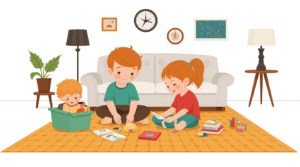
The shared responsibility within the family unit is often viewed as a dynamic interplay of roles and duties, where each member contributes to the nurturing and upbringing of children. Beneath this surface lies a complex psychological landscape that is both intricate and multifaceted. The experience of parenting, while filled with joy and fulfillment, also harbors profound internal conflicts and emotional challenges.
Parenting involves an ongoing negotiation between maintaining personal autonomy and fulfilling the needs of one’s child. This tension can be particularly acute when considering the responsibilities inherent in shared family duties. A parent might feel a strong sense of obligation to ensure their child is well-cared for, which may conflict with their desire for individual time or space.
Affection, consistency, and emotional presence are fundamental elements that shape a child’s development. Yet, these very aspects can become sources of inner turmoil for parents themselves. The act of showing affection might be seen as an unwavering commitment to one’s role as caregiver but could also evoke feelings of inadequacy or pressure when not reciprocated with the same intensity by the child.
Consistency is another cornerstone in parenting, yet it too can lead to internal conflicts. Maintaining a steady routine and clear expectations demands significant effort and discipline from parents. The rigidity required for consistency might sometimes feel like an imposition, creating tension between what feels natural or authentic versus the structured behavior demanded by parental roles.
Emotional presence requires being fully engaged with one’s child in moments of joy as well as in times of stress. This constant emotional availability can be exhausting and may strain a parent’s own mental health. The fear of not providing enough support, guidance, or comfort can lead to an overwhelming sense of responsibility that might spiral into anxiety.
These internal conflicts are not merely personal but are deeply intertwined with the broader social context within which parenting occurs. Societal expectations about what constitutes good parenting add another layer of complexity. Parents may feel immense pressure to meet these standards, leading to self-doubt and a constant striving for perfection in their roles as caregivers.
The inherent variability among children further complicates this dynamic. Each child is unique with distinct needs and temperaments, which can challenge parents’ ability to apply a consistent approach while also responding flexibly. This variability might lead to feelings of inadequacy when one’s parenting style fails to align perfectly with their child’s evolving requirements.
In examining these internal conflicts, it becomes clear that the experience of shared responsibility within the family unit is far more nuanced than simply dividing tasks among members. It involves a complex interplay of personal identity and societal roles, emotional labor, and continuous adaptation to individual circumstances.
The role of affection in parenting cannot be overstated. Affection serves as both an expression of love and care for one’s child but also as a source of self-reflection for parents themselves. The act of showing and receiving affection can reinforce positive emotions and strengthen bonds between family members. It is this same affection that might also highlight areas where parental efforts fall short, contributing to feelings of inadequacy or guilt.
Consistency in parenting presents another layer of complexity. While essential for providing a stable environment for children, the need for consistency can sometimes lead to rigid behaviors and practices. This rigidity may conflict with natural instincts for flexibility and adaptability, creating internal tension between adhering strictly to routines versus responding flexibly based on current circumstances.
Emotional presence requires an ongoing commitment from parents to be fully present in their interactions with their children. While this attentiveness is crucial for emotional support and development, it also demands significant energy and resources that can strain a parent’s mental well-being over time. The perpetual need to remain emotionally available might result in feelings of exhaustion or burnout if not managed properly.
The variability among children further complicates the dynamics within shared family responsibilities. Each child’s unique needs require tailored approaches from parents, making it challenging to maintain consistency while still addressing individual differences effectively. This variability can lead to a sense of inadequacy when one’s efforts do not match up perfectly with their child’s current demands or preferences.
The societal expectations surrounding good parenting add another dimension to these internal conflicts. Parents often feel pressured to conform to certain standards and norms, leading to heightened self-consciousness about their performance as caregivers. This external validation can create additional stress and anxiety for parents who strive to meet these sometimes unattainable ideals.
In summary, the shared responsibility within family units is characterized by a myriad of internal conflicts rooted in personal identity, societal expectations, emotional labor, and individual variability among children. These tensions underscore the complexity inherent in parenting and highlight the need for continuous self-reflection and adaptation on behalf of parents to navigate these challenges effectively.
Understanding this multifaceted nature helps to recognize that parenting is not merely a task or duty but an intricate process involving deep psychological dimensions. By acknowledging these internal conflicts, individuals can approach their roles as caregivers with greater awareness and compassion, ultimately contributing positively to both personal growth and family dynamics.