
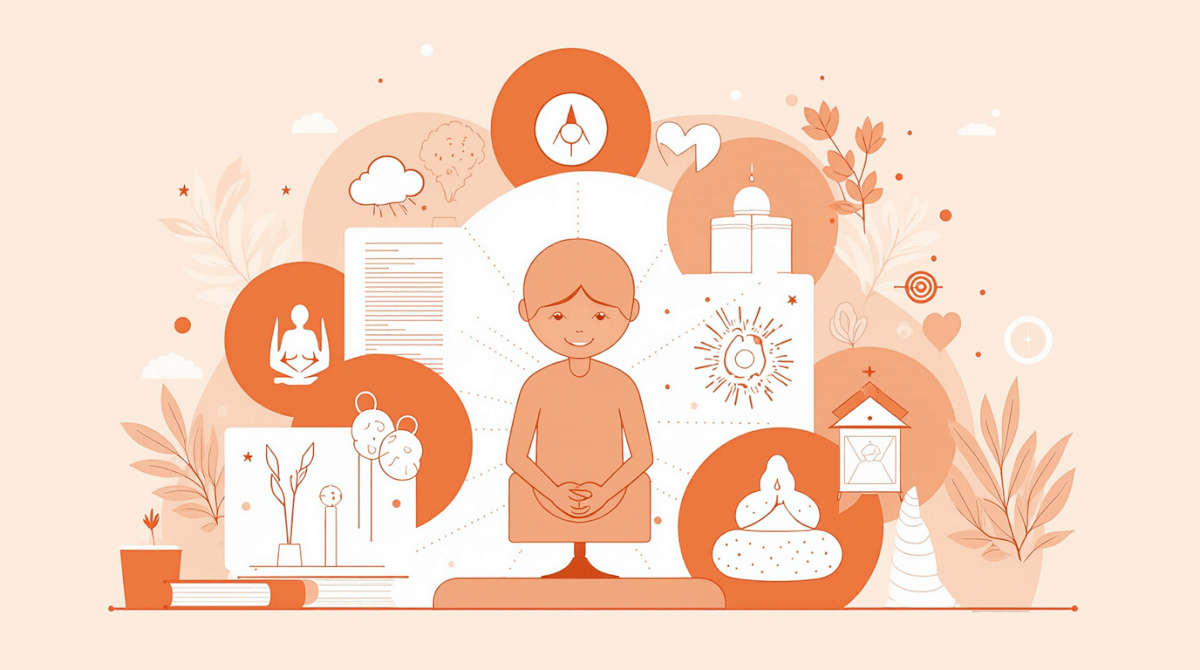
Spirituality, as an inner journey of the human soul, often finds expression through rituals that serve to connect us with something greater than ourselves. These rituals can be deeply personal and may manifest in myriad ways—through prayer, meditation, fasting, or even simple acts like lighting a candle or singing a hymn. At their core, these practices are not merely outward actions but inward journeys that seek to reconcile the inner turmoil of doubt and uncertainty with moments of profound certainty and trust.
In the face of life’s uncertainties and challenges, rituals provide a tangible anchor for our faith and hope. Consider the act of lighting a candle in silence—a simple gesture that transforms into a moment of profound reflection. The flame represents not just light but also the presence of something intangible yet enduring. This ritual can be both an acknowledgment of the darkness within and an expression of trust that there is a guiding force beyond our immediate understanding or control.
The tension between certainty and uncertainty is a constant in human experience, and rituals often serve to navigate this balance. When we engage in spiritual practices, whether through established traditions or personal inventions, we are simultaneously seeking stability and embracing the unknown. A well-known example is the Jewish practice of lighting Hanukkah candles. This ritual involves not just the act of lighting but also reciting blessings and reflecting on the miracle that gave rise to the holiday. The flickering light of each candle stands as a symbol of both hope in the face of adversity and the fragility of human existence.
Similarly, the Christian practice of confession offers a poignant example of this dual tension. Confession is not just about acknowledging sins but also about surrendering control to a higher power. It requires both the certainty that one’s actions are being judged and the trust that forgiveness is possible. This ritual acknowledges that we cannot always understand or predict life’s outcomes, yet through faith, we find solace in the belief that there is a greater purpose and grace available.
Rituals also play a crucial role in maintaining inner coherence during moments of moral questioning. When faced with ethical dilemmas, rituals can serve as anchors that ground us in our values and beliefs. A Muslim who finds themselves at odds with their community’s practices might reaffirm their faith through daily prayers or fasting during Ramadan. These acts remind them of the foundational principles of their religion and provide a sense of continuity amidst personal turmoil.
Rituals often connect individuals to broader communities, fostering a sense of shared identity and purpose. In many religions, communal rituals such as Mass, Friday prayers, or Passover Seder serve not only as spiritual practices but also as social bonds that unify believers. Even in more individualistic traditions, the act of engaging with rituals can create a bridge between personal spirituality and community belonging.
It is important to acknowledge the complexity and diversity within these practices. Not all individuals experience their faith or spirituality through ritual in the same way. Some may find greater meaning in solitary reflection while others thrive in communal worship. The value of rituals lies not in uniformity but in their ability to cater to a wide spectrum of spiritual needs and expressions.
Rituals in personal spirituality are more than just external actions; they are profound acts of inner reconciliation. They allow us to navigate the complex terrain of human experience, balancing uncertainty with trust, doubt with certainty, and solitude with community. Through these practices, we find not only a connection to something greater but also a deeper understanding of our own humanity and the intricate web of meaning that binds us all.
To explore the broader framework behind this topic, read
Living Your Beliefs: When Faith and Spiritual Awareness Meet Daily Life.



Be First to Comment