In the intricate dance of human relationships, power dynamics are not merely a backdrop but an active participant, shaping each step with its weighty presence. As individuals navigate their interpersonal landscapes, they encounter various terrains where autonomy meets control and dependence intertwines with independence. The tension between these forces often becomes palpable in the air of anticipation, the whisper of expectation, and the echo of reality.
The dance floor of relationships is a complex map, with each step marking a point of power exchange. In one moment, two people might be entwined in a mutual embrace of shared goals and values, their steps synchronized in perfect harmony. Yet, in the next, a single misstep can unravel the fabric of their connection, revealing the underlying currents that threaten to pull them apart. This dynamic is not just about who has more or less power; it’s about how individuals perceive and navigate these perceptions.
Power dynamics often emerge from early life experiences, embedding themselves within the subconscious until they surface in adult relationships. Someone who grew up with a domineering parent might unconsciously seek out relationships where they are always the dominant partner, unaware that this dynamic is replicating old patterns. Another person might find it difficult to assert their will, feeling perpetually powerless despite external evidence suggesting otherwise.
In such interplays of power, the concept of autonomy becomes particularly poignant. Autonomy is not merely about acting independently; it’s also about the right to define one’s boundaries and seek out environments where those boundaries are respected. In relationships, this autonomy can be a double-edged sword. It allows for personal growth and self-realization. On the other, it can lead to conflict when individuals struggle to reconcile their need for independence with the desire for closeness.
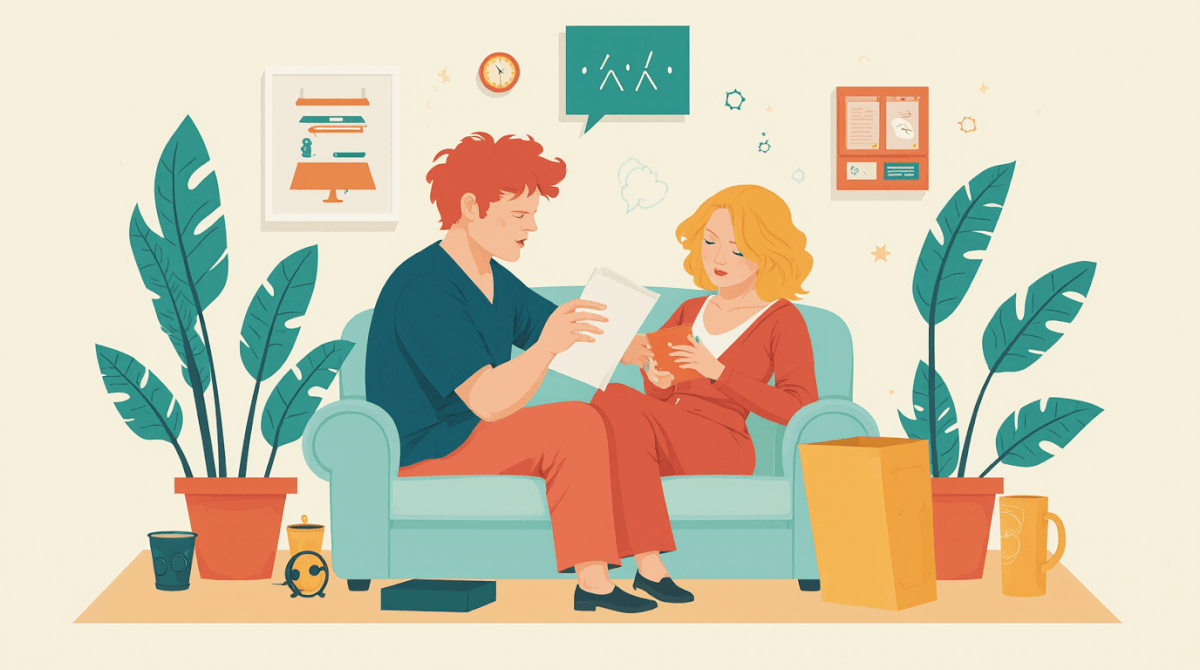
Consider two partners who have different approaches to decision-making. One might value input from both parties but ultimately prefers final decisions to be made by one person. The other might feel stifled by this arrangement, desiring equal participation in all aspects of their relationship. This mismatch can lead to frustration and resentment, as each partner perceives the situation differently. Such discrepancies highlight how power dynamics are deeply intertwined with communication styles and emotional availability.
The reality is that no relationship operates in a vacuum; external expectations and societal norms also play significant roles. Cultural influences might dictate certain behaviors deemed appropriate for men versus women, subtly shifting who holds more power within a couple. These expectations can be both liberating and constraining, often leading to internal conflicts as individuals strive to reconcile their desires with the prescribed roles.
The nature of these dynamics changes over time. As relationships evolve, the balance of power may shift due to life events such as career advancements or health issues. One partner might suddenly find themselves in a position where they are no longer seen as the primary breadwinner, altering the dynamic and requiring renegotiation of roles and responsibilities.
The complexity of these interactions is further compounded by the subjective nature of human perception. What one person sees as dominance can be perceived by another as natural leadership or even support. This subjectivity can create misunderstandings that exacerbate tensions within relationships. A partner might interpret frequent requests for reassurance from their significant other as an indication of insecurity and lack of trust, while the other may see these actions as a necessary safety net in uncertain times.
In navigating these power dynamics, individuals often find themselves caught between a desire for intimacy and the need for independence. The tension between these two forces can be both exhilarating and exhausting. Intimacy demands a degree of vulnerability, yet it also requires a certain level of strength to maintain one’s sense of self within the relationship. This duality can lead to internal conflict as individuals grapple with the fine line between giving and receiving.
Power dynamics are not static but fluid entities that ebb and flow depending on circumstances. A moment of crisis might temporarily shift the balance in a significant way, forcing both parties to reassess their roles and responsibilities. This fluidity can be both liberating and unsettling, as it challenges preconceived notions about who should take charge and when.
Power dynamics in relationships are complex phenomena that intertwine with personal history, societal expectations, and the ongoing negotiation of autonomy and interdependence. While they can create conflicts and misunderstandings, they also offer opportunities for growth and mutual understanding. The key lies in recognizing these dynamics, engaging openly about them, and working towards a balanced relationship where both partners feel seen, heard, and respected.
This exploration of power dynamics serves as a reminder that relationships are not simple transactions but rich tapestries woven from the threads of human experience. By acknowledging and addressing the nuanced interplay of power within our connections, we can foster deeper, more fulfilling relationships that honor the complexity of the human condition.