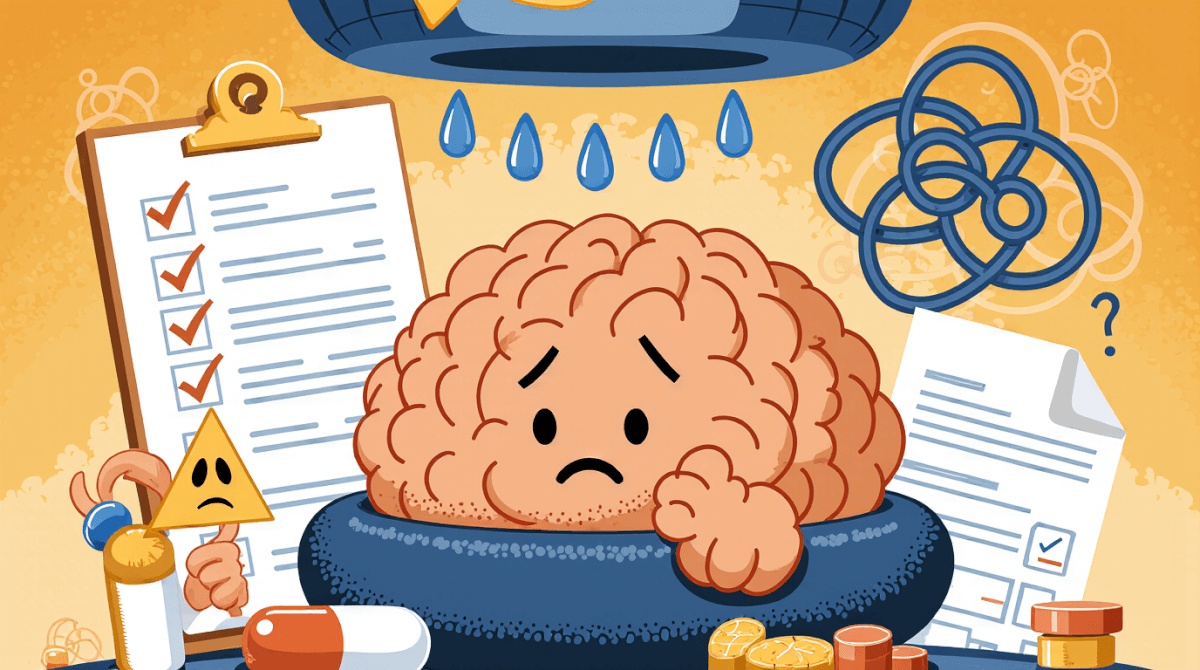
Mental stress can fragment our attention, making it difficult to concentrate on tasks or engage fully in social interactions. This fragmentation occurs because the brain, under constant pressure, struggles to maintain its focus. When we are constantly distracted by emails, notifications, and other daily interruptions, our minds are in a perpetual state of alertness, never quite able to rest or process information effectively. Over time, this can lead to a buildup of mental fatigue, which often translates into physical symptoms such as headaches, difficulty sleeping, or chronic tension in the neck and shoulders.
Consider a scenario where an individual works in a high-pressure environment with tight deadlines and constant meetings. The mind is in a state of hyperarousal, always on the lookout for the next challenge. When the brain does not get the chance to rest and recover, it can lead to a variety of physical symptoms. The muscles in the jaw, shoulders, and neck may tighten as a response to stress, causing tension and discomfort. Similarly, the body may experience aches and pains as a result of prolonged periods of sitting or standing, exacerbated by the constant stress.
Rest is essential for our bodies to recover and rejuvenate. In today’s fast-paced world, many individuals struggle to find moments of true rest. The demands of work, social media, and the expectation to be constantly connected can make it challenging to disconnect and unwind. This lack of rest can contribute to a host of physical symptoms such as fatigue, digestive issues, and even muscle cramps. If someone does not allow their body time to relax and digest food properly after meals, they may experience bloating or indigestion. Muscle cramps, can occur due to the body’s inability to fully relax and release tension.
Emotional neglect, another form of mental stress, can also take a toll on our physical well-being. When we suppress or ignore our emotions, the body holds onto that emotional tension, leading to a range of physical symptoms. This phenomenon is rooted in the concept of somatization, where psychological distress manifests as physical discomfort or pain. Individuals who have experienced significant trauma but do not seek support may develop chronic pain conditions such as fibromyalgia or irritable bowel syndrome (IBS). These conditions can be highly debilitating, yet they often stem from unaddressed emotional issues.
The mechanisms behind these physical symptoms are complex and interconnected. When the mind is stressed, it releases stress hormones such as cortisol and adrenaline. These hormones can have a profound impact on the body, increasing heart rate, blood pressure, and muscle tension. Over time, this chronic release of stress hormones can lead to physical wear and tear on the body. The cardiovascular system may become strained, leading to hypertension or arrhythmias. The immune system may also be compromised, making the individual more susceptible to illnesses.
It is important to recognize that these physical symptoms are not random or arbitrary; they serve as signals that our mental and emotional well-being needs attention. By paying attention to these signals, we can gain insight into the underlying stressors and work towards addressing them. If someone notices frequent headaches, they might reflect on their daily routines and identify patterns of constant distraction or lack of relaxation time. Similarly, if digestive issues persist, it could be a sign that the individual is holding onto emotional tension.
In our modern world, attention, rest, boundaries, and reflection are crucial for maintaining physical health. Attention allows us to focus on the present moment and engage in activities that truly nourish us. Rest provides the body with the opportunity to repair and rejuvenate. Boundaries help protect us from excessive mental and emotional demands, allowing us to set limits on our commitments and prioritize self-care. Reflection enables us to gain perspective on our experiences and understand the deeper sources of stress.
Mindfulness practices such as meditation or journaling can help cultivate awareness of one’s internal state. By regularly taking time to reflect, individuals can identify patterns of stress and work towards addressing them. Setting clear boundaries around work and personal time can also be beneficial. This might mean establishing a designated workspace at home where work-related tasks are limited, or setting specific times during the day for checking emails or social media.
Physical symptoms linked to mental stress are a testament to the intricate relationship between our minds and bodies. By recognizing these signals and addressing the underlying causes, we can begin to restore balance and promote overall well-being. While it is essential to seek professional support when needed, awareness of these patterns can be a powerful tool for personal growth and healing. As we navigate the complexities of modern life, let us remember that taking care of our mental health is crucial for maintaining our physical health.
Related Reading
– Richard Schwartz – Internal Family Systems Therapy
– Donald Kalsched – The Inner World of Trauma