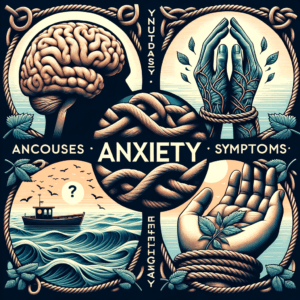
Anxiety is a complex emotional experience that can deeply affect one’s daily life. It often manifests as excessive worry and apprehension about future events or situations that may not necessarily be threatening in an objective sense. Unlike fear, which tends to be triggered by immediate danger, anxiety can linger for days, weeks, or even months, causing distress and impacting a person’s ability to function normally.
At the core of anxiety lies the constant stream of anxious thoughts, often driven by irrational beliefs about one’s capabilities or circumstances. These thoughts might revolve around concerns such as impending failure, social embarrassment, health issues, or personal safety. Over time, these persistent worries can lead to emotional and physical symptoms like palpitations, sweating, nausea, and insomnia. For many people, the cycle of anxiety begins with a minor stressful event that triggers an initial wave of fear. This initial reaction is normal and serves as a protective mechanism against perceived threats.
For some individuals, this initial response doesn’t dissipate; instead, it morphs into a persistent pattern of anxious thinking. Such thoughts become a habitual way of interpreting the world around them, where every situation holds potential danger or negative outcomes. This cognitive distortion can then lead to avoidance behaviors, further reinforcing the anxiety by preventing exposure to situations that might eventually be proven harmless.
Consider someone who experiences social anxiety in public speaking engagements. The initial anxious thought might stem from a single bad experience during a presentation years ago—perhaps they felt humiliated when their voice cracked or received critical comments from peers. From this moment on, any reminder of having to speak in front of others could trigger intense fear and worry, leading the person to avoid such situations altogether. This avoidance only serves to confirm their belief that speaking publicly is indeed terrifying and dangerous.
Anxiety can also develop gradually through prolonged stress. Chronic stressors like work pressure, financial difficulties, or relationship problems can erode one’s psychological resilience over time. As these pressures continue to mount without resolution, individuals may find themselves increasingly anxious about everyday tasks. They might begin to dread going to the office each day, worry excessively about finances despite having a stable income, or fear conflicts in personal relationships.
In such cases, the anxiety becomes less tied to specific events and more an overarching sense of unease about life itself. The person’s mind may start filling with worst-case scenarios and fears of catastrophe that seem plausible but have little basis in reality. This pervasive state of worry can be debilitating, interfering with sleep patterns, eating habits, and overall quality of life.
Anxiety often involves a heightened sensitivity to bodily sensations. A racing heartbeat or shortness of breath might trigger panic attacks, causing the person to feel as if they are about to die or lose control. These physical symptoms reinforce the anxious thoughts, creating a vicious cycle where the fear of having an attack leads to more physiological responses and vice versa.
Another aspect of anxiety is its ability to distort reality. Anxious individuals may interpret neutral situations as threatening, leading them to avoid activities that others might find enjoyable or necessary. Someone suffering from claustrophobia might avoid elevators or crowded spaces despite understanding logically that these places pose no real danger. The fear becomes so intense that it overrides rational thought processes and compels the person to steer clear of potentially anxiety-inducing environments.
Additionally, anxiety can also manifest through social anxieties related to status and societal pressures. In today’s interconnected world, many people feel anxious about their standing in society or within specific groups. This type of anxiety stems from concerns over fitting in, maintaining appearances, and achieving certain benchmarks that are often externally imposed rather than intrinsically meaningful.
The fear of not measuring up to social standards could cause someone to avoid networking events, job interviews, or other opportunities for personal and professional growth due to an overwhelming sense of inadequacy. This type of anxiety is fueled by societal expectations and can lead to feelings of isolation and alienation from peers who seem more successful or accomplished.
In essence, anxiety is a multifaceted emotional response that intertwines cognitive, behavioral, and physiological components. It is influenced by both immediate triggers and long-term stressors, often distorting one’s perception of reality and leading to avoidance behaviors that further entrench the anxious state. Understanding these mechanisms can help individuals recognize their own patterns of anxious thinking and begin to address them on a deeper level.
It’s important to note that while this article provides insight into how anxiety develops and manifests, it does not offer specific solutions or therapeutic interventions. Recognizing the nature of one’s anxious thoughts is just the first step toward managing the condition effectively. Seeking support from trusted friends, family members, or mental health professionals can provide additional tools and strategies for coping with anxiety in a healthier way.
Anxiety is a common human experience that can vary widely in intensity and impact. By acknowledging its psychological underpinnings and understanding how it affects daily life, individuals can take steps toward alleviating their symptoms and reclaiming control over their emotional well-being.