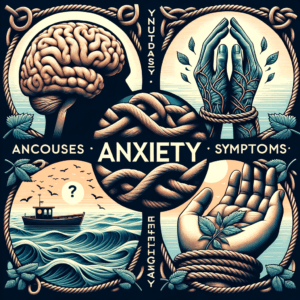
Anxiety is an omnipresent emotion in our lives, a natural reaction that can be both protective and paralyzing depending on the context. It alerts us to potential threats, helping us navigate challenging situations by activating our fight-or-flight response. When this mechanism goes awry, anxiety can become overwhelming, turning everyday scenarios into sources of constant worry.
Anxiety often begins with a simple thought—a fleeting concern that spirals into a persistent fear. The dread of public speaking is not just about standing in front of an audience; it encompasses all the negative outcomes one imagines could happen. As these thoughts accumulate and persist, they shape our emotions and behavior, leading to physical symptoms such as trembling hands, rapid heartbeat, and sweaty palms.
Consider a common scenario: you’re tasked with giving a presentation at work. The initial thought might be about the importance of the task and your desire to do well. Anxiety begins to creep in when you start imagining worst-case scenarios—your voice cracking, forgetting key points, or audience members rolling their eyes. These thoughts create an emotional loop where fear fuels more fear, making it increasingly difficult to focus on anything else.
The cycle continues as anxious thoughts become entrenched beliefs. You might think, “I’m going to mess this up,” which is then reinforced by every small mistake you perceive during the preparation process. This belief system can lead to avoidance behaviors, such as procrastination or canceling plans last minute. Over time, these actions only strengthen the anxiety, creating a vicious cycle that’s hard to break.
Understanding the roots of performance anxiety provides insights into how it manifests in daily life. Many people experience stage fright not because they’re inherently afraid of crowds but due to deeply ingrained fears of failure and ridicule. When you step onto a stage or podium, your mind might conjure images of yourself being laughed at, humiliated, or simply failing to meet expectations.
The fear isn’t just about the event itself but also about the anticipation leading up to it. This anxiety can start weeks in advance, as thoughts and worries build up over time. You may find yourself constantly thinking about the presentation during mundane tasks like driving home from work or eating dinner with family. The constant rumination makes it challenging to focus on anything else.
When we’re anxious about public speaking or performing, it’s easy to feel isolated. We often compare ourselves to others who seem more confident and wonder why we can’t just be like them. It’s important to remember that anxiety is a common experience, and many people struggle with similar fears. Recognizing this can help alleviate some of the isolation and embarrassment associated with these feelings.
Overcoming performance anxiety involves several steps, starting with self-assessment. It’s crucial to understand your thought patterns and identify the specific triggers that cause your anxiety. This introspection allows you to pinpoint problem thoughts and begin addressing them head-on. If you’re afraid of being ridiculed during a presentation, acknowledging this fear is the first step towards understanding it.
Next comes exposure and preparation. Gradually exposing yourself to situations that trigger anxiety helps build resilience. Start small—perhaps practice your speech in front of a few trusted friends or family members before moving on to larger groups. This gradual approach allows you to acclimate to the stress without being overwhelmed by it. Additionally, thorough preparation is key; knowing your material inside and out can boost confidence and reduce uncertainty.
During the performance itself, visualization techniques can be incredibly helpful. Imagine the audience as supportive friends rather than critical strangers. Focusing on the message you want to convey, rather than yourself, shifts your attention away from fear and towards purpose. Staying calm and enjoying the moment helps mitigate anxiety in real-time.
Finally, it’s important to process the experience after a performance. Avoiding self-criticism and instead recognizing any progress made is crucial. Rewarding yourself for facing fears can reinforce positive behavior patterns, making future challenges easier to tackle.
In essence, managing performance anxiety involves reframing negative thoughts into more constructive ones. Instead of worrying about what others might think, imagine them as your allies, cheering you on. Visualize yourself confidently delivering a speech or performing flawlessly, and with each step towards this mental reprogramming, the fear will gradually diminish. The journey to overcoming anxiety is not quick but every small victory along the way builds confidence and resilience, ultimately leading to greater peace of mind in all aspects of life.