Anxiety is a complex emotional state that affects millions of people worldwide. It arises from a combination of genetic predispositions, environmental factors, and personal experiences. Understanding how anxious thoughts develop and influence emotions and behavior can provide valuable insights into managing this condition effectively.
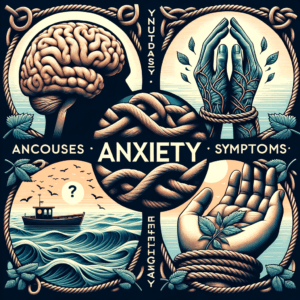
At its core, anxiety stems from an overactive threat detection system in the brain. When we encounter stressful situations or perceive potential threats—be it a looming deadline at work, financial difficulties, or social interactions with strangers—the amygdala, a small almond-shaped structure deep within our brains, springs into action. It triggers the release of stress hormones like cortisol and adrenaline, preparing us for either fight or flight. While this response is essential for survival in dangerous situations, it can become maladaptive when triggered by everyday stressors.
The development of anxious thoughts often begins with a negative interpretation bias—a tendency to view ambiguous stimuli as threatening rather than neutral or positive. When someone receives an email from their boss, they might immediately assume that it contains bad news about performance reviews or project deadlines, instead of considering the possibility that it’s just a routine update.
This pattern of thinking can set off a chain reaction in the mind. Negative thoughts generate heightened emotional responses such as fear, worry, and apprehension, which in turn influence behavior. People might avoid situations that trigger anxiety, leading to social isolation or missed opportunities for growth and development. Over time, this avoidance reinforces the initial negative beliefs about oneself and the world.
Consider a scenario where an individual is invited to give a presentation at work. Instead of seeing it as an opportunity to showcase their skills and gain recognition from colleagues and superiors, they immediately worry about making mistakes or being judged harshly. This anxiety might lead them to procrastinate on preparing for the presentation, further increasing stress levels. The eventual outcome could be either canceling last-minute due to panic attacks or delivering a subpar performance that confirms their worst fears.
The cycle of anxious thoughts and behaviors can become entrenched over time, creating a vicious loop where negative predictions about oneself and one’s environment come true simply because they guide actions in ways that fulfill those predictions. To break this cycle, it’s crucial to examine the cognitive processes involved and identify healthier thought patterns.
One effective approach is mindfulness meditation, which involves cultivating an awareness of present-moment experiences without judgment. By observing anxious thoughts as fleeting mental events rather than truths about reality, individuals can reduce their grip on emotional well-being. Practicing mindfulness regularly helps develop a more balanced perspective towards stressful situations, making it easier to respond thoughtfully instead of reacting impulsively.
Another strategy is cognitive-behavioral techniques aimed at challenging and restructuring irrational beliefs. If someone believes that they must be perfectly competent in every aspect of their life to feel worthy, this rigid thinking can lead to constant anxiety about falling short. Through guided questioning and evidence-based reasoning, therapists help clients identify the flaws in such absolutist thinking and develop more flexible, realistic attitudes towards performance and self-worth.
Engaging in regular physical activity has been shown to alleviate symptoms of anxiety significantly. Exercise releases endorphins, chemicals that act as natural painkillers and mood elevators, while also promoting better sleep quality and reducing muscle tension. Activities like yoga combine mindfulness techniques with gentle stretching exercises, creating a holistic approach to managing stress.
While medication can provide short-term relief for severe cases of anxiety, long-lasting improvements often require addressing the underlying psychological mechanisms at play. Natural treatments such as meditation, hypnotherapy, cognitive-behavioral therapy, and lifestyle changes offer promising alternatives by targeting both mental and physical aspects of anxiety simultaneously.
Anxiety is not merely a collection of symptoms but a complex interplay between cognition, emotion, and behavior. By understanding how anxious thoughts develop and influence daily life, individuals can adopt more effective strategies to manage this condition without relying solely on pharmaceutical interventions. Adopting holistic approaches that promote mental clarity, emotional resilience, and physical well-being can lead to sustainable reductions in anxiety levels over time.