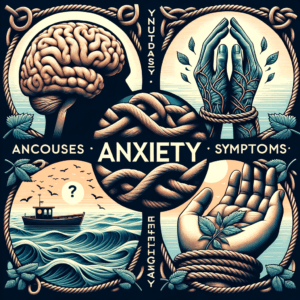
Anxiety often manifests as an overwhelming sense of worry that permeates various aspects of daily life. It can be relentless and pervasive, impacting not just one’s thoughts but also their emotions and behavior. Understanding the psychological mechanisms behind anxious thoughts is crucial for those navigating through its complexities.
At the heart of anxiety lies a fundamental fear: the anticipation of future threats or uncertainties. This fear triggers a cascade of physiological responses, such as an increased heart rate, sweating, and feelings of restlessness. These physical symptoms are often accompanied by obsessive thoughts that can become intrusive and disruptive. Someone might find themselves repeatedly questioning whether they turned off the stove after leaving the kitchen, leading to a compulsion to check it multiple times before feeling at ease.
The development of anxious thoughts is intricately linked with one’s belief systems and past experiences. People who have experienced significant stress or trauma are more likely to develop anxiety disorders because their brain has learned to associate certain situations or triggers with danger. Over time, these associations can become automatic responses, making it challenging for individuals to differentiate between actual threats and perceived ones.
Anxiety also affects how people perceive social interactions. Many anxious individuals fear being judged harshly by others, leading them to avoid situations where they might be scrutinized. This avoidance can create a cycle of isolation and further exacerbate feelings of anxiety. Someone might dread attending social gatherings because they worry about saying something inappropriate or embarrassing themselves in front of others.
One common manifestation of anxiety is perfectionism, which stems from an intense fear of not meeting one’s own high standards. Perfectionists often set unrealistic goals for themselves and feel a constant pressure to perform flawlessly. This relentless pursuit of perfection can lead to chronic stress and frustration when they inevitably fall short of their expectations. The irony is that the very act of striving for excellence can become counterproductive, as it detracts from actual accomplishments.
Anxiety disorders can sometimes be mistaken for personality traits such as narcissism, particularly in how individuals seek validation and approval from others. Both anxious people and those with narcissistic tendencies may appear confident or arrogant to mask their insecurities. The underlying motivations are different: while a person with anxiety might project confidence to hide their fears, someone with narcissistic traits genuinely believes they deserve admiration without recognizing their flaws.
Understanding these nuances is essential for empathizing with individuals who struggle with anxiety. It’s important to recognize that anxiety isn’t just about being worried; it’s a complex interplay of thoughts, emotions, and behaviors that can significantly impact daily functioning. Recognizing the signs and acknowledging the challenges faced by those with anxiety helps create a supportive environment where individuals feel heard and understood.
In everyday scenarios, we often see how anxiety influences decision-making processes. Someone might avoid taking on new responsibilities at work because they fear making mistakes or falling short of expectations. This avoidance can lead to missed opportunities for growth and development. Similarly, in personal relationships, anxiety might cause someone to pull back emotionally due to the fear of rejection or disappointment.
Another common aspect of anxiety is its impact on sleep patterns. Many anxious individuals find it difficult to fall asleep because their minds are racing with worries about future events or past regrets. Sleep disturbances further exacerbate feelings of fatigue and irritability during waking hours, creating a vicious cycle that can be challenging to break without support from friends or family.
Anxiety also affects cognitive functions like concentration and memory. People who experience high levels of anxiety often struggle to focus on tasks at hand due to constant distractions caused by anxious thoughts. This mental fog can hinder productivity and creativity, making it harder for individuals to cope with daily challenges effectively.
Understanding the psychological mechanisms behind anxiety helps us approach this condition with greater empathy and insight. It’s about recognizing that anxiety is not just a choice but a complex interplay of past experiences, current circumstances, and deeply ingrained beliefs. By fostering a supportive environment where anxious thoughts can be openly discussed without judgment, individuals are more likely to find the resilience needed to navigate their challenges.
While there are no easy solutions for overcoming anxiety, awareness and understanding play a crucial role in mitigating its impact on daily life. Recognizing the signs of anxiety and acknowledging its profound influence on emotions and behavior is the first step towards finding ways to manage it effectively. Whether through mindfulness practices, cognitive behavioral techniques, or simply sharing experiences with others who understand, there are paths forward for those navigating the complexities of anxious thoughts and feelings.
Anxiety is a multifaceted experience that touches every aspect of life. By exploring its psychological roots and understanding how it shapes behavior and emotions, we can better support ourselves and others in finding ways to live more fully despite its challenges.