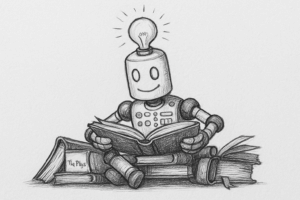
Mental training isn’t about forcing your brain to endure hardship as physical training does; instead, it’s more like developing habits that make complex tasks simpler. Think of driving a car versus running to get somewhere—you use the most practical method for efficiency. Mental exercises aren’t always about rigorous cognitive effort but rather simple strategies to enhance thinking.
One way to strengthen mental capabilities is by adopting straightforward rules and using them consistently across different scenarios. Financial planners often use the “rule of 72,” which estimates how long it will take for an investment to double given its interest rate, simply by dividing 72 by the expected return percentage. This formula simplifies complex financial modeling without delving into intricate calculations.
Real estate investors also rely on simple guidelines. They might avoid buying properties that cost more than 100 times their monthly rental income. While this isn’t a substitute for detailed analysis, it’s an initial filter to quickly eliminate unsuitable options efficiently.
Beyond numerical tools, mental training can involve using simple questions to prompt deeper thought or generate creative ideas. Comedians often use these techniques to craft jokes more effectively. If someone says they feel immortal through their children, a comedian might ask, “What’s wrong with this picture?” This question leads you to realize that while having children offers a form of immortality in passing on genes, it’s not about living indefinitely but dying and leaving behind offspring.
Comedians use mental algorithms such as asking, “What if I take this to the extreme?” or “How would this look to someone else?” These questions help identify new angles for jokes and uncover double meanings in words or situations. By framing these queries consistently over time, comedians improve their creative output significantly.
Another aspect of mental training involves adopting problem-solving techniques that become habitual ways of thinking. Challenging assumptions is a powerful approach to resolving personal issues where many underlying beliefs may not be apparent initially. Consider the scenario where children are fighting over the TV: you might assume it’s your responsibility as a parent to intervene and provide entertainment. By questioning these assumptions, different solutions can emerge—like limiting access to the television or leaving them alone to resolve their disputes.
Every activity has its own set of rules and guidelines that can be internalized through practice. In daily life, training your mind might involve asking questions like “How does this action move me closer to my goals?” or “Is there a more effective alternative?” Such inquiries help make better decisions without overthinking each situation.
Mental training is about consciously shaping the patterns and habits that govern our thoughts. While we all have ingrained cognitive processes in our subconscious minds, they don’t always serve us best. By deliberately practicing beneficial thought strategies and techniques, we can enhance our ability to navigate life’s challenges more effectively.
Incorporating these simple but powerful mental tools into your routine can lead to significant improvements in how you approach problems and make decisions. Whether it’s a financial rule like the “rule of 72” or a creative prompt for comedians, habitual use of such strategies can elevate cognitive processes without demanding excessive effort or discipline.
The beauty of mental training lies not in its complexity but in its simplicity. It’s about choosing to work smarter rather than harder by leveraging easy-to-apply yet profound techniques that streamline and optimize thinking patterns. By doing so, we open up new possibilities for growth and problem-solving, enhancing both efficiency and effectiveness in the face of life’s varied challenges.
Understanding how mental tools shape our emotional experiences is crucial. When faced with a stressful situation, habitual use of calming thoughts or breathing exercises can mitigate anxiety instantly. Negative thought patterns can exacerbate stress and hinder performance. Recognizing these connections fosters better emotional regulation and resilience. By embracing simple yet effective mental techniques, we equip ourselves to navigate life’s complexities with greater ease and confidence.
The consistency in applying such strategies builds a robust psychological foundation that supports long-term well-being. Regular practice reinforces positive thought patterns while gradually eroding negative ones. This gradual transformation is not about immediate results but steady progress towards improved cognitive habits and emotional stability.
Mental training is fundamentally about enhancing our ability to think more clearly and manage emotions effectively through simple yet powerful techniques. By adopting these methods consistently, we can improve decision-making skills, increase creativity, and enhance overall life satisfaction without overcomplicating the process.