
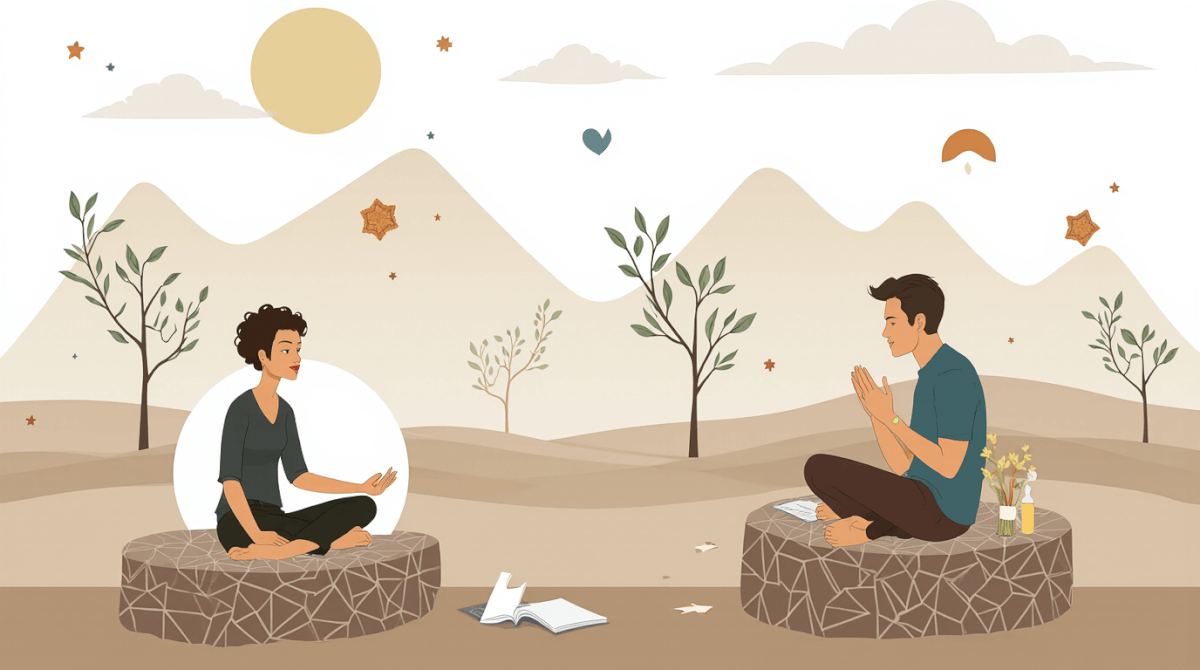
Consider the example of someone who adheres to a belief in honesty as a cornerstone of their faith. This belief shapes not only what they say but also how they act and react in various situations. When faced with a decision that requires a choice between telling a white lie or speaking truthfully, this person might opt for honesty because it aligns with the values instilled by their belief system. In a workplace setting, this could manifest as preferring to correct an error immediately rather than letting it go unnoticed, even if doing so might bring temporary discomfort.
This behavior extends beyond individual actions and impacts broader social interactions. In managing conflicts within a community or family unit, someone committed to truthfulness would likely prioritize open communication over passive-aggressive behavior. This integrity can foster trust among peers and strengthen the bonds of mutual respect and understanding. Such actions not only reflect personal convictions but also contribute to the cohesive functioning of the social group.
The consistency of these behaviors over time is crucial in reinforcing the individual’s identity as someone who lives by their beliefs. For those who practice a religion, this consistency can be seen through regular attendance at services, observance of rituals, and adherence to dietary laws or other commandments. Each act, whether large or small, reinforces the belief system and helps individuals maintain a strong connection with their faith.
These behaviors extend into more nuanced areas such as prioritization and decision-making. When faced with moral dilemmas, the believer might approach them through the lens of their religious teachings. In choosing between career advancement that comes at the cost of personal ethics or staying true to one’s principles, a deeply held belief in integrity would likely influence the choice towards maintaining ethical standards, even if it means sacrificing some professional opportunities.
In relationships, this commitment to living with integrity also manifests as honesty and transparency. This can be seen in personal interactions where someone might choose to disclose difficult truths rather than avoid conflict, thereby building trust over time. Such actions create a foundation of mutual respect and understanding, which are crucial for long-term relationships. In both professional and personal contexts, this adherence to one’s beliefs can lead to stronger, more authentic connections with others.
The path to living with integrity is not without its complexities. Doubt and internal conflict can arise when faced with situations that challenge core beliefs. An individual might struggle between a deeply held religious belief in pacifism and the necessity of self-defense in personal or societal conflicts. Such moments highlight the tension between idealistic beliefs and pragmatic realities.
Living according to one’s beliefs does not always yield clear-cut answers. In many cases, individuals must navigate ambiguous situations where their faith provides guidance but leaves room for interpretation. This can lead to differing practices among members of the same community or even within an individual’s own life at different stages. The complexity of these experiences underscores the dynamic nature of belief and behavior.
Despite these challenges, the act of living with integrity in private life remains a profound endeavor. It involves continuous self-reflection and adjustment as one interacts with the world. This process can be emotionally taxing but ultimately rewarding, as it fosters a sense of authenticity and purpose. The lived experience of adhering to one’s beliefs shapes not only individual identity but also contributes to a broader cultural fabric that values honesty, trust, and ethical behavior.
Living with integrity in private life is a multifaceted journey that intertwines personal beliefs with daily actions and relationships. While the path may be fraught with challenges and ambiguities, the commitment to aligning one’s behavior with these beliefs enriches both individual lives and communities. The complexity of this journey lies in its ongoing nature—constantly negotiating between internal convictions and external realities.
To explore the broader framework behind this topic, read
Living Your Beliefs: When Faith and Spiritual Awareness Meet Daily Life.


Be First to Comment