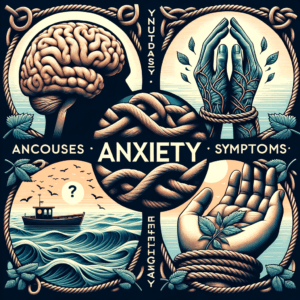
Understanding the mechanisms behind anxiety is crucial for anyone seeking clarity on this common yet complex emotion. Anxiety typically starts as a subtle feeling that something might go wrong and gradually escalates into persistent worry or dread that can overshadow daily life. At its core, anxiety is an emotional response to perceived threats or uncertainties in our environment.
Anxiety develops through a combination of biological and environmental factors, with each person’s experience being unique yet rooted in shared patterns. Some people may feel anxious due to stressful work situations, while others might attribute their feelings to personal relationships or health concerns. The underlying mechanism involves an interplay between cognitive processes and emotional responses, which can be influenced by genetic predispositions, learned behaviors, and life experiences.
One key aspect of anxiety is the role of thought patterns. Anxious thoughts often stem from a tendency to overestimate potential threats while underestimating personal resources to cope with them. This cognitive distortion leads individuals to anticipate negative outcomes more readily than positive ones. Someone might worry excessively about failing an exam despite having prepared thoroughly for it. Such anticipatory anxiety can be debilitating, as it diverts mental energy from productive tasks towards incessant worrying.
The emotional impact of anxious thoughts is significant. As these thoughts persist and intensify, they trigger a cascade of physiological responses such as increased heart rate, sweating, and muscle tension. These physical symptoms reinforce the perception of threat, creating a vicious cycle where anxiety fuels more anxiety. Over time, this can lead to chronic stress and reduced quality of life.
Behavioral patterns also play a role in perpetuating anxiety. Individuals often avoid situations that trigger anxious feelings, which may provide temporary relief but ultimately reinforces the belief that these scenarios are inherently dangerous or unbearable. Someone who fears public speaking might opt out of opportunities for advancement due to this fear, limiting personal and professional growth.
The intergenerational transmission of anxiety is a noteworthy phenomenon. Research indicates that children growing up in households where parents model anxious behaviors are more likely to develop similar patterns themselves. This can manifest as heightened vigilance towards potential threats or an exaggerated sense of vulnerability, making it challenging for individuals to perceive their environment accurately and respond adaptively.
In everyday life, these mechanisms become evident in various scenarios. Consider a student who feels constantly overwhelmed by the amount of work they need to complete. They might start to believe that no matter how much effort they put into studying, they will fail. This belief can spiral into a cycle where even the thought of opening textbooks or attending lectures triggers intense anxiety. Consequently, the individual may procrastinate and withdraw from social interactions, further isolating themselves.
Another common situation involves individuals who experience persistent worry about their health, even in the absence of concrete evidence suggesting illness. Such concerns might stem from an underlying fear of the unknown or past traumatic experiences related to health issues. This type of anxiety can lead to obsessive behaviors such as frequent doctor visits and constant monitoring of bodily sensations, which in turn exacerbates the perceived threat.
Understanding these mechanisms helps demystify why anxiety feels so overwhelming at times. It’s not just about being worried; it’s a complex interplay between cognitive biases, emotional responses, and behavioral patterns that work together to maintain an anxious state. Recognizing this complexity is the first step towards developing empathy for oneself and others who struggle with anxiety.
Anxiety operates through intricate pathways involving thought patterns, emotions, and behaviors that are deeply influenced by our personal history and environment. By exploring these mechanisms, we gain insights into why certain situations provoke anxiety and how it evolves over time. While overcoming anxiety often requires professional support, cultivating awareness about its origins can be a powerful first step towards managing its impact on daily life.
Anxiety is not merely an emotion but a dynamic process that intertwines our thoughts, feelings, and actions in intricate ways. It shapes the way we perceive and interact with the world around us, sometimes leading to avoidance of challenging situations and limiting personal growth. By understanding how anxiety works, individuals can begin to unravel its complexities and find more constructive ways to manage it.
Recognizing that anxious thoughts are often exaggerated perceptions of danger can help break the cycle of worry. Learning to challenge these thoughts with evidence-based reasoning or mindfulness techniques can be beneficial. Similarly, engaging in gradual exposure to feared situations under professional guidance can help reduce avoidance behaviors and build resilience against anxiety.
Developing a more balanced perspective on personal capabilities can mitigate cognitive distortions that contribute to anxious thinking. Cultivating self-compassion and acknowledging one’s strengths alongside challenges can foster a healthier mindset. Understanding the role of past experiences in shaping current anxieties also allows for greater insight into emotional triggers, which is essential for effective management.
While anxiety can be overwhelming and disruptive, exploring its underlying mechanisms provides a pathway to understanding and managing it more effectively. By acknowledging the complex interplay between cognitive processes, emotional responses, and behavioral patterns, individuals can take steps towards reducing their anxious symptoms and enhancing overall well-being.