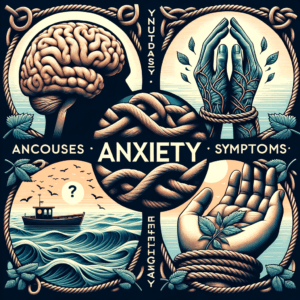
Anxiety is a common experience that can profoundly impact our daily lives, affecting not only how we feel but also how we behave. It often starts as a minor unease about something in the future or an ongoing situation, gradually building into a pervasive sense of worry and fear. Understanding anxiety from a psychological perspective helps us navigate its complexities more effectively.
At its root, anxiety is tied to our evolutionary survival mechanisms, designed to protect us from danger. When we encounter perceived threats—whether they are real dangers like encountering a wild animal or modern-day stresses such as work deadlines—the body responds by releasing stress hormones and activating the “fight-or-flight” response. This physiological reaction prepares us for immediate action, which was crucial when facing physical dangers in our evolutionary past.
In contemporary life, many of these threats are not tangible but rather psychological pressures related to job performance, relationship dynamics, financial constraints, or health concerns. Despite this change in the nature of threats, our bodies still respond with similar biological responses as if we were encountering a direct physical threat. This mismatch between modern stressors and ancient survival mechanisms can exacerbate anxiety.
Consider a scenario where you have an important meeting at work the next day. As you approach bedtime, your mind begins to replay potential challenges during the meeting, imagining worst-case outcomes such as not being able to answer questions adequately or making mistakes that could harm your professional reputation. These thoughts can spiral into broader concerns about job stability and financial security.
This pattern of anxious thinking is a common mechanism through which anxiety develops and intensifies. Our minds tend to project negative possibilities onto the future, creating a cycle where worry feeds upon itself. The more we dwell on these imagined threats, the stronger our emotional response becomes, leading to heightened states of stress, irritability, or even depression.
As these anxious thoughts persist, they can significantly impact your daily functioning and physical health. You might find yourself feeling increasingly irritable or withdrawn as you spend more time consumed by worry rather than focusing on present activities. This mental preoccupation can lead to symptoms such as headaches, muscle tension, fatigue, and insomnia, further exacerbating the sense of helplessness.
Imagine a typical day where you’re dealing with an important project at work that has strict deadlines. As you navigate through the day, your mind keeps returning to potential issues that could arise, causing you to lose concentration on tasks at hand. At night, instead of relaxing and preparing for sleep, your thoughts continue to race, replaying conversations from earlier or worrying about unfinished parts of the project.
To manage such anxiety, it’s crucial to develop strategies that help address these intrusive thoughts constructively rather than trying to suppress them outright. Suppressing anxious thoughts often makes them more persistent because our minds tend to return to what we are avoiding thinking about. Instead, consider engaging with your worries in a way that allows you to process and understand them.
One effective method is journaling. By writing down your concerns and breaking them down into manageable steps, you can transform vague anxieties into concrete plans of action. This process not only helps you acknowledge your fears but also provides a sense of control over the situation by identifying specific actions you can take in response to each worry. If you are anxious about an upcoming presentation at work, you might write down points to cover and practice delivering them.
Another beneficial approach is distinguishing between what is within your control and what isn’t. By listing out tasks you can undertake tomorrow or over the coming days, you empower yourself by creating a clear roadmap of actions that reduce anxiety through tangible progress. Acknowledging aspects beyond your immediate control enables you to let go of futile attempts to influence them directly.
Mindfulness practices like meditation or yoga also offer significant relief from anxious thoughts. These activities encourage focusing on the present moment and observing thoughts without judgment, which helps break the cycle of rumination by redirecting mental energy towards calming physical sensations and breathing patterns. Regular mindfulness practice can improve your ability to stay grounded in the here and now rather than being pulled into worries about the future.
Managing anxiety is not about eliminating it entirely but finding healthier ways to cope with its presence. By understanding how your mind processes stressful situations and implementing strategies like journaling, planning, and mindfulness, you can reduce the grip that anxiety has on your daily life. Embracing a more compassionate self-awareness allows for better emotional regulation and improved sleep quality, enabling you to face each day with renewed energy and clarity.
Recognizing anxiety as a natural response to challenging circumstances fosters greater empathy towards yourself during difficult times. This understanding paves the way toward healthier coping mechanisms that enable you to navigate through life’s pressures more effectively.