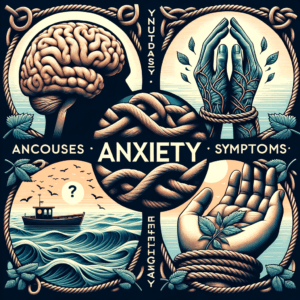
Understanding anxiety involves exploring the intricate interplay between thoughts, emotions, and behaviors that make up this pervasive experience. Anxiety often begins as a vague discomfort or unease in response to perceived threats, whether real or imagined. This initial sense of worry can quickly escalate into more intense emotional turmoil, leaving individuals feeling overwhelmed by their own minds.
One common trigger for anxiety is uncertainty. Imagine standing at a crossroads with multiple paths stretching out before you, each representing different possibilities and outcomes. The sheer number of choices can paralyze decision-making processes, causing feelings of helplessness and doubt about your ability to navigate life’s challenges. This sense of being lost creates profound discomfort and insecurity.
Anxiety significantly impacts self-perception as well. When anxious, every decision feels critical, and any misstep seems catastrophic. Your self-esteem might plummet, leading to feelings of inadequacy or incompetence. These negative beliefs can create a vicious cycle where each perceived failure reinforces the idea that you cannot handle life’s demands effectively.
Anxiety often manifests in physical symptoms mirroring the body’s stress response. Tension headaches, rapid heartbeat, and sweaty palms are common indicators that your body is reacting to perceived threats. Facial expressions might also change—furrowed brows and tight lips—reflecting internal turmoil. In social situations, these signs can be misinterpreted as hostility or disinterest, further complicating interactions.
The complexity of anxiety lies in its ability to cloud judgment and decision-making processes. When overwhelmed by anxious thoughts, it becomes challenging to think clearly or rationally. You might find yourself jumping to conclusions based on worst-case scenarios rather than evaluating the situation objectively. This can lead to a spiral where each new piece of information feels like further evidence that things are going wrong.
Anxiety can fragment one’s sense of identity and stability. The constant state of alertness and worry disrupts daily routines and interferes with activities once found enjoyable or fulfilling. Interactions with others may suffer too, leading to strained relationships and social isolation over time. These factors can contribute to a sense that the world is against you, reinforcing negative beliefs about yourself and your environment.
Addressing anxiety requires recognizing its underlying causes without slipping into despair. It’s essential to acknowledge that many perceived threats causing anxious thoughts might be exaggerated or distorted by fear. Reflect on instances where such fears did not materialize as anticipated; this can help recalibrate your perception of risk.
Understanding that every situation has a purpose and a resolution can shift your perspective from one of victimization to empowerment. Each challenge is an opportunity for growth and resilience. Embracing this outlook does not mean ignoring difficulties but reframing them in a way that encourages proactive engagement with life’s uncertainties.
In summary, anxiety arises from the complex interplay between perceived threats, self-doubt, and fear of failure. It distorts reality, impairs judgment, and disrupts daily functioning. By recognizing these mechanisms and cultivating a more balanced view of challenges, individuals can begin to navigate through their anxieties with greater clarity and resilience.
Anxiety often begins as a mild discomfort that escalates into overwhelming emotional turmoil due to perceived threats, real or imagined. This discomfort is exacerbated by uncertainty, causing feelings of helplessness and doubt about one’s ability to handle life’s challenges. The fear of making wrong decisions can lead to negative self-perception, creating a cycle where each failure reinforces the belief in personal inadequacy.
Physical symptoms such as tension headaches, rapid heartbeat, and sweaty palms are common indicators that anxiety has taken hold. These physical manifestations often mirror the body’s stress response, further complicating day-to-day life. Social situations can be particularly challenging because anxious behaviors may be misinterpreted by others, leading to strained relationships and social isolation.
Anxiety’s impact extends beyond emotional distress; it also impairs cognitive functions such as judgment and decision-making processes. When overwhelmed by anxious thoughts, rational thinking becomes difficult, causing individuals to jump to worst-case scenarios instead of objectively evaluating situations. This can create a negative feedback loop where each new piece of information is perceived as further evidence that things are going wrong.
The constant state of alertness and worry caused by anxiety disrupts daily routines and interferes with enjoyable activities, leading to fragmented identity and stability. Social interactions may suffer, resulting in strained relationships and social isolation over time. These factors contribute to a sense of being against the world, reinforcing negative beliefs about oneself and one’s environment.
Addressing anxiety involves recognizing its underlying causes without succumbing to despair. Many perceived threats causing anxious thoughts are often exaggerated or distorted by fear. Reflecting on instances where such fears did not materialize can help recalibrate your perception of risk. Understanding that every situation has a purpose and resolution shifts the perspective from victimization to empowerment.
Challenges become opportunities for growth and resilience when reframed positively, encouraging proactive engagement with life’s uncertainties rather than avoiding them. By acknowledging anxiety’s mechanisms and cultivating a balanced view of challenges, individuals can navigate through their anxieties more effectively, fostering clarity and resilience in the face of adversity.
Anxiety is a complex interplay between perceived threats, self-doubt, and fear of failure that distorts reality, impairs judgment, and disrupts daily functioning. Recognizing these mechanisms and adopting a balanced view of challenges can help individuals navigate through their anxieties with greater clarity and resilience.