
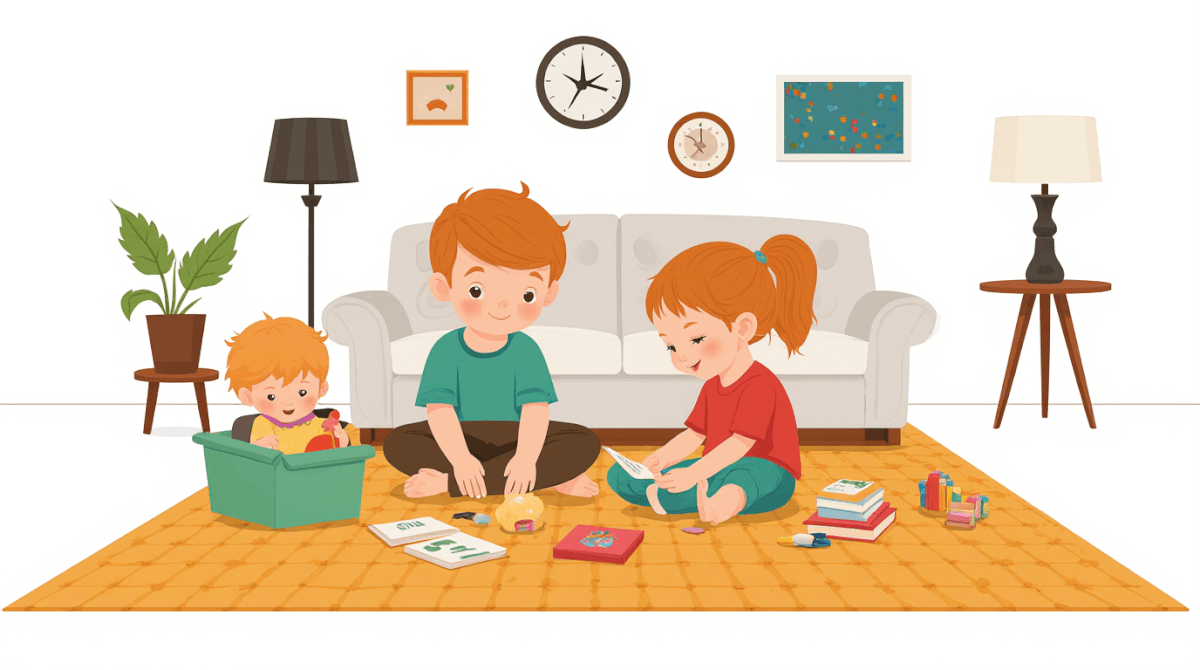
Support plays a crucial role in shaping a child’s initiative by providing the necessary encouragement and environment that fosters their independence and self-efficacy. Initiative is often defined as the ability to plan and follow through on activities based on one’s own ideas, desires, or beliefs (Dunn & Dunn, 1978). It involves not only the capacity for creativity but also the willingness to take action towards goals that are personally meaningful. Children who develop initiative early in life are more likely to become self-directed and resilient adults capable of contributing positively to society. The ways through which support shapes a child’s initiative can be understood by examining the interplay between positive reinforcement, autonomy, and social interactions.
Positive reinforcement is a critical mechanism through which support fosters initiative. When children receive praise or encouragement for their efforts, they are more likely to repeat those behaviors in the future (Bandura, 1977). A parent who acknowledges a child’s attempt at baking cookies, even if it doesn’t turn out perfectly, is teaching that effort and persistence are valuable. This type of positive reinforcement can lead children to view challenges as opportunities for growth rather than obstacles to be avoided. Over time, the child internalizes these experiences into a belief in their own capabilities—a process known as self-efficacy (Bandura, 1977). Children who feel capable of tackling tasks are more inclined to initiate new projects and pursue personal interests.
Autonomy is another key aspect of support that encourages initiative. Autonomy refers to the ability to make independent choices and act on them without constant supervision. When children have opportunities to make decisions in their daily lives, they develop a sense of control over their environment (Deci & Ryan, 2000). Allowing a child to choose which after-school activity to participate in or what to wear for the day can build their confidence and willingness to take on new responsibilities. These experiences teach children that their choices have consequences and that they are capable of making informed decisions—a foundation upon which initiative is built.
Social interactions further contribute to the development of initiative by providing models and feedback from peers and adults. Children learn a lot from observing the actions and attitudes of others (Vygotsky, 1978). Seeing siblings or friends take on leadership roles in group projects can inspire children to consider their own potential for similar initiatives. Additionally, constructive criticism from trusted adults or peers can provide valuable guidance as children experiment with new ideas. Feedback that is specific and encouraging rather than overly critical helps children understand the value of their contributions while also identifying areas where they may need improvement.
The environment in which a child grows up plays a significant role in shaping their initiative. A supportive home environment, characterized by open communication, emotional security, and opportunities for exploration, encourages children to venture out and try new things (Gardner & Hatch, 1989). Providing access to diverse materials such as books, musical instruments, or craft supplies can spark a child’s curiosity and motivate them to pursue their interests. Similarly, schools that foster an atmosphere of collaboration, creativity, and personal responsibility also nurture initiative in children (Dunn & Dunn, 1978).
Cultural context also influences how support shapes a child’s initiative. Different cultures place varying levels of emphasis on individual achievement versus collective responsibility. In collectivist societies where group harmony is prioritized, children may learn to balance personal goals with the needs of their community (Triandis, 1995). This can result in more cooperative and less self-centered approaches to problem-solving. In more individualistic cultures, children are encouraged to assert themselves and stand out as unique individuals—a context that naturally supports the development of initiative.
The role of peers cannot be understated. Children often find support from their friends when initiating new activities or facing challenges (Berk & Winsler, 1995). Peer interactions can provide emotional comfort, practical help, and validation for one’s ideas. A child who is hesitant to join a school play might gain the courage after hearing supportive comments from classmates. Such positive social experiences strengthen a child’s belief in their ability to initiate projects and stand by their convictions.
Cultural values and norms significantly impact how support is perceived and delivered. In some cultures, overt praise might be seen as excessive or inappropriate (Cultural Values Research Group, 2014). Instead, subtle encouragement through actions such as listening attentively during storytelling sessions or offering constructive feedback in a respectful manner can be equally effective. Understanding these cultural nuances helps parents and educators tailor their support methods to align with the child’s social and cultural context.
The interaction between these elements—positive reinforcement, autonomy, social interactions, environmental factors, and cultural influences—forms a complex web that supports the development of initiative in children. Each component builds upon the others, creating an environment where children feel empowered to explore their interests, take risks, and develop personal projects. This process is not linear but rather iterative; it involves repeated cycles of trial, feedback, and adjustment.
Consider a scenario where a child expresses interest in building a birdhouse. A parent might start by praising the initial idea without pressuring the child to follow through (positive reinforcement). Then, allowing the child some independence in selecting materials and tools while offering guidance when needed fosters autonomy. Encouraging the child to seek input from friends or neighbors for additional ideas enhances social interaction skills. The local community center hosting woodworking workshops can provide an environment where the child can further explore their interest. Finally, the cultural context might emphasize the importance of craftsmanship over perfection, allowing the birdhouse project to succeed even if it doesn’t meet traditional standards.
Support shapes a child’s initiative through a multifaceted process that includes positive reinforcement, autonomy, social interactions, environmental factors, and cultural influences. By understanding these components and their interplay, parents, educators, and caregivers can create an environment that nurtures children’s natural curiosity and desire to explore new ideas. This approach not only helps in developing initiative but also contributes to the overall well-being and future success of the child.
References:
Bandura, A. (1977). Social Learning Theory. Prentice-Hall.
Berk, L. E., & Winsler, A. (1995). Scaffolding: Constructing support for children’s learning in everyday activities. Young Children, 50(2), 6-14.
Deci, E. L., & Ryan, R. M. (2000). The “what” and “why” of goal pursuits: Human needs and the self-determination of behavior. Psychological Inquiry, 11(4), 227-268.
Dunn, R., & Dunn, K. (1978). A cognitive model of achievement motivation. Journal of Educational Psychology, 70(3), 273-289.
Gardner, H. G., & Hatch, T. (1989). Multiple intelligences go to school: Educational implications of the theory of multiple intelligences. Educational Researcher, 18(8), 4-9.
Triandis, H. C. (1995). Individualism and Collectivism. Westview Press.
Vygotsky, L. S. (1978). Mind in Society: The Development of Higher Psychological Processes. Harvard University Press.
Related Reading
– Donald Winnicott — Playing and Reality
– Peter Gray — Free to Learn


Be First to Comment