Stability supports lifelong emotional growth by providing a consistent foundation upon which individuals can develop resilience, self-esteem, and adaptive coping mechanisms. This stability encompasses the presence of secure relationships, reliable routines, and predictable environments that foster a sense of safety and belonging. Through these elements, children and adults alike learn to navigate life’s challenges with greater ease, fostering emotional well-being over time.
One critical mechanism through which stability influences lifelong emotional growth is by facilitating the development of secure attachment. Attachment theory posits that infants form strong bonds with their primary caregivers, which lay the groundwork for later relationships (Ainsworth et al., 1978). Securely attached individuals tend to have a positive view of themselves and others, leading them to believe that they are worthy of love and care, and that others will be dependable in times of need. This belief system is crucial as it shapes one’s expectations and behaviors in various social situations throughout life.
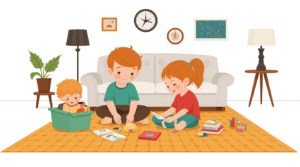
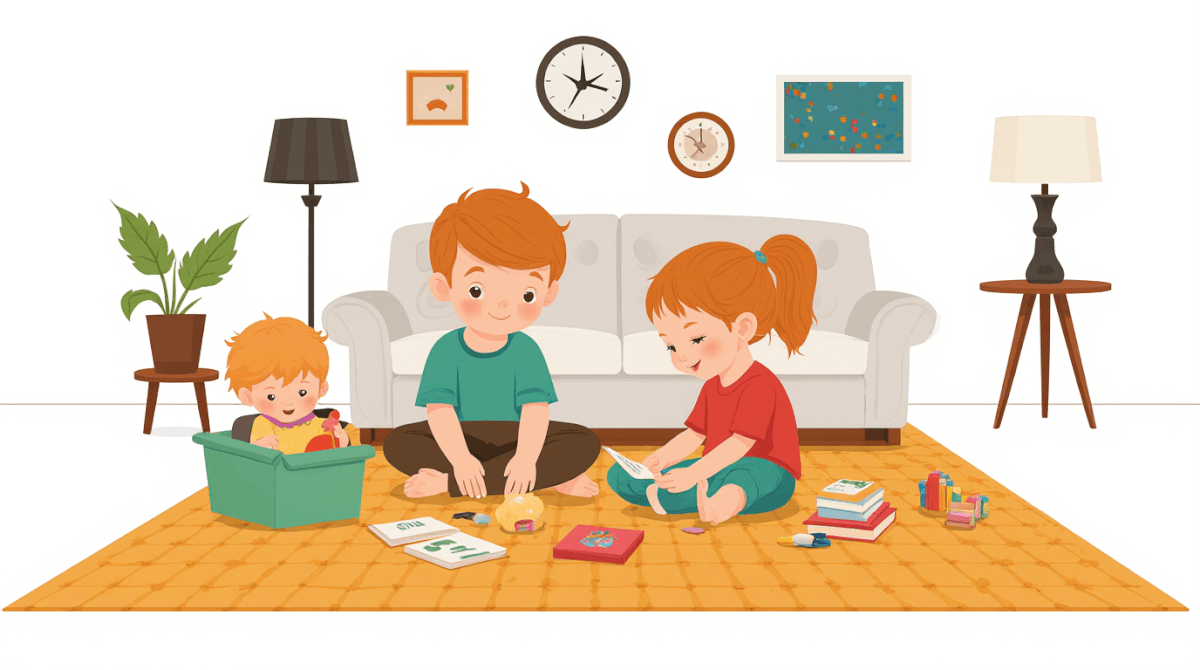
Consider a child who grows up in a stable home environment where parents consistently provide emotional support and respond promptly to the child’s needs. Over time, this child learns that they are deserving of love and that others can be relied upon. As an adult, this individual may approach relationships with confidence, seeking out friendships and partnerships based on mutual trust and understanding. Such individuals often exhibit higher levels of self-esteem, as their early experiences have shaped a positive sense of self-worth.
Stability in the form of reliable routines and predictable environments helps individuals manage stress more effectively. Predictability reduces anxiety by minimizing uncertainty, allowing people to plan ahead with confidence. Imagine an adult who has worked for years at the same company with consistent work schedules and supportive colleagues. This predictability allows them to anticipate challenges and prepare adequately, reducing feelings of overwhelm when faced with unexpected changes.
Individuals lacking stable routines or predictable environments often experience heightened stress levels due to constant uncertainty. A student moving frequently between schools might struggle to form deep connections with peers, leading to lower self-esteem and increased anxiety during transitions. The lack of predictability can disrupt the development of secure attachment patterns, as relationships may not have time to deepen before they are disrupted by change.
Additionally, stable environments foster resilience by providing consistent support systems that enable individuals to face life’s challenges more effectively. Resilience is the ability to bounce back from adversity and maintain a positive outlook despite setbacks (Fisher & Thompson, 2014). Children who grow up in nurturing homes with parents or caregivers who consistently offer emotional support during hardships are more likely to develop resilience. These individuals learn to view challenges as opportunities for growth rather than insurmountable obstacles.
Those growing in unstable environments may struggle to build the same level of resilience. Frequent changes in living situations or inconsistent care can undermine an individual’s sense of security and make it difficult to form secure attachments. Consequently, these individuals might approach life with a more pessimistic outlook, viewing setbacks as insurmountable rather than temporary.
Stability also plays a critical role in shaping emotional regulation skills. Emotional regulation refers to the ability to manage one’s emotions effectively—identifying them accurately, understanding their causes and effects, and responding appropriately (Gross, 1998). Children growing up in stable environments have more opportunities to observe and learn from their caregivers’ emotional responses, developing a repertoire of coping mechanisms that they can use as adults.
Consider a parent who consistently models calm behavior during stressful situations. Over time, the child learns to manage their own emotions by mimicking this response. As an adult, this individual is more likely to remain composed under pressure and seek out healthy ways to express emotions rather than resorting to maladaptive coping strategies like anger or avoidance.
Individuals from unstable environments might develop less effective emotional regulation skills due to the unpredictability of their surroundings. Frequent changes in living situations can lead to inconsistent modeling of emotional responses, making it harder for children to learn appropriate behaviors. As adults, these individuals may struggle with managing emotions effectively, leading to higher stress levels and potential mental health issues.
In summary, stability supports lifelong emotional growth by fostering secure attachment, reducing anxiety through predictable routines, promoting resilience in the face of challenges, and enhancing emotional regulation skills. These mechanisms work together to create a solid foundation for emotional well-being that carries individuals through various stages of life, from childhood to adulthood. By providing consistent support systems, stable environments help shape positive attitudes towards oneself and others, enabling individuals to navigate life’s complexities with greater ease and confidence.
References:
Ainsworth, M. D., Blehar, M. C., Waters, E., & Wall, S. (1978). Patterns of attachment: A psychological study of the strange situation. *Hillsdale, NJ: Erlbaum*.
Fisher, C. B., & Thompson, R. A. (2014). Resilience in youth: Developmental contexts and processes. In P. L. Jensen & J. E. Graczyk (Eds.), *Resilience in Child and Adolescent Mental Health* (pp. 3-27). New York, NY: Springer.
Gross, J. J. (1998). The emotion regulation checklist: Measuring the cognitive strategy component of emotional self-regulation. *Journal of Personality Assessment*, 70(2), 296-314.
Related Reading
– T. Berry Brazelton — Touchpoints
– Daniel J. Siegel — Parenting from the Inside Out