
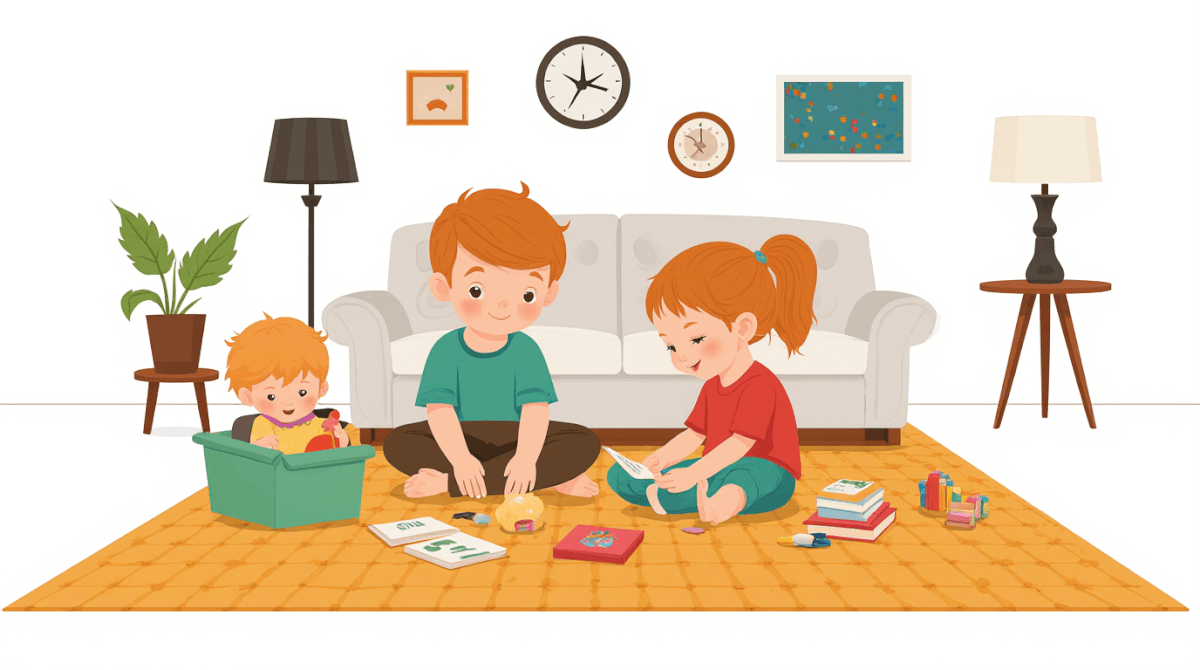
Stability shapes social confidence when it consistently provides a secure base for individuals to explore their surroundings and form meaningful connections with others. This stable environment allows people to develop trust not only in the world around them but also in themselves, leading to greater resilience and adaptability as they navigate various social situations. The core of this mechanism lies in the way stability influences an individual’s emotional well-being, allowing for more profound interpersonal interactions and a broader range of experiences.
To understand how stability shapes social confidence, one must first explore its role in creating a secure base from which individuals can embark on their social explorations. This foundation is often established early in life through consistent, reliable care and support from primary caregivers. A child who receives regular attention, comfort, and nurturing from parents or other trusted adults develops a sense of security that acts as the cornerstone for building trust in others and oneself.
Consider the example of Sarah, a five-year-old girl. Her parents consistently respond to her needs with warmth and care, creating an environment where she feels safe to explore her world. This stability allows Sarah to take risks such as climbing on playground equipment or trying new activities without fear. As she grows older, this sense of security translates into social confidence, enabling her to participate actively in school and community events, form friendships, and engage in healthy relationships.
The psychological benefits of a stable environment extend beyond emotional security to include the cognitive processes that underpin social confidence. Insecure environments, characterized by unpredictability and instability, can lead to heightened stress responses and diminished ability to focus on tasks or engage in complex interactions. Stability promotes the development of secure attachment styles, which are associated with better mental health outcomes and enhanced social skills.
Research indicates that children who experience stable relationships tend to have stronger emotional regulation abilities. This is evident in their capacity to manage their emotions effectively during challenging situations, such as conflicts or peer interactions. A child from a stable home might handle disagreements more maturely by expressing feelings calmly and seeking solutions rather than lashing out or withdrawing.
Stability fosters the development of social skills that are crucial for forming and maintaining relationships. Children in stable environments learn to communicate effectively, understand social cues, and navigate group dynamics through consistent positive interactions with caregivers and peers. These foundational social skills enable them to engage more confidently in various social settings as they grow older.
As children mature, stability continues to play a critical role in shaping their social confidence by promoting adaptive coping mechanisms. When faced with challenges or setbacks, individuals from stable backgrounds are better equipped to handle adversity through strategies learned during formative years. If a teenager faces academic pressures or peer conflicts, a supportive home environment can provide them with the emotional support and guidance needed to navigate these difficulties successfully.
Stability encourages the development of a positive self-image, which is essential for building social confidence. Consistent positive reinforcement from caregivers helps children develop a sense of worth and competence, allowing them to approach social interactions with greater self-assurance. This self-esteem boost translates into more active participation in group activities, better communication skills, and an overall more positive attitude towards social situations.
It is important to note that the effects of stability on social confidence are not limited to early childhood but extend throughout the lifespan. Adults who experienced stable environments during formative years often exhibit higher levels of resilience, making them better equipped to handle life’s challenges while maintaining strong social connections. A professional might feel more confident in networking and teamwork settings if they grew up with consistent support from family or mentors.
Individuals who experience unstable environments may struggle with trust issues and anxiety around social interactions. The unpredictability of their surroundings can lead to constant vigilance and a sense of threat, hindering the development of secure attachments and robust social skills. Consequently, they might find it challenging to engage fully in social activities or form deep relationships.
The role of cultural context in shaping the relationship between stability and social confidence cannot be overlooked either. Different cultures place varying levels of emphasis on family support systems, community involvement, and individualism versus collectivism. These cultural factors can influence how individuals interpret stability and its impact on their social lives. In collectivist societies where interdependence is highly valued, the sense of security provided by extended family networks might bolster social confidence differently compared to more individualistic cultures.
The mechanism through which stability shapes social confidence involves creating a secure base that enables emotional well-being, cognitive development, and adaptive coping strategies. By fostering secure attachment styles, promoting positive self-image, and encouraging robust social skills, stable environments lay the groundwork for individuals to navigate various social situations with greater ease and assurance. Understanding this process can help us appreciate the profound impact of stability on our ability to form meaningful connections and thrive in a complex world.


Be First to Comment