
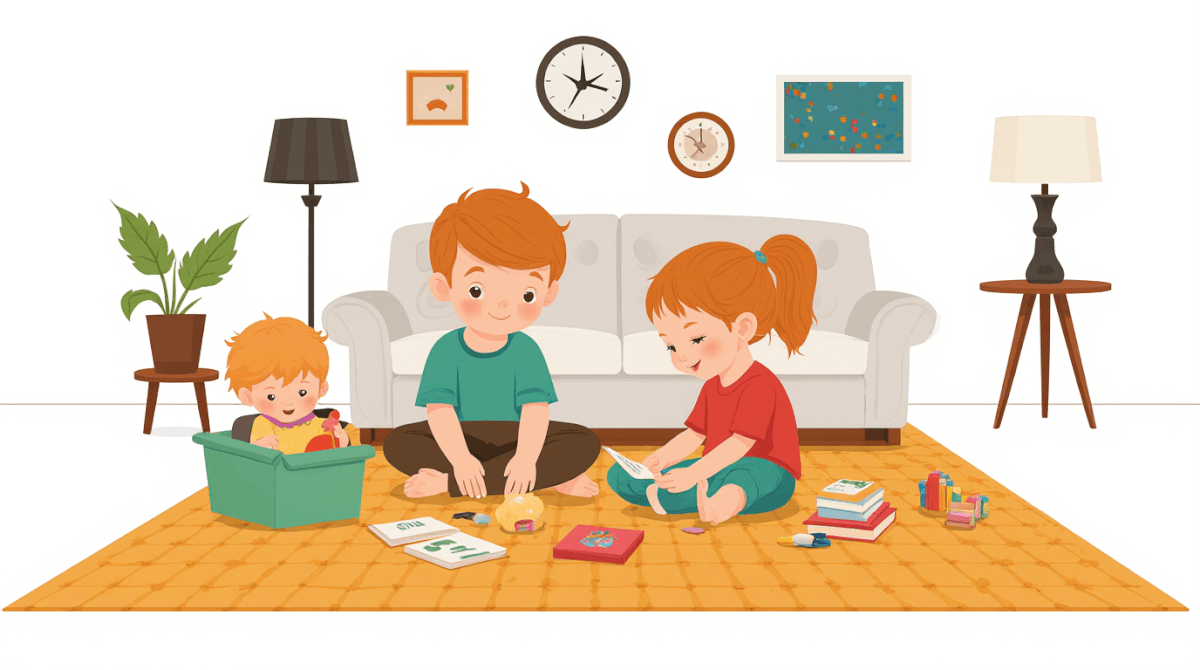
Stability shapes long-term emotional patterns through a complex interplay of consistent environmental factors and early experiences that mold an individual’s ability to cope with stress and form healthy relationships. This essay will explore the specific mechanism through which stability, particularly in terms of emotional security, impacts the development of emotional resilience over time.
Emotional security is the foundation upon which stable environments are built. It refers to the degree to which a child feels safe and supported within their environment. A stable home with predictable routines, consistent caregiver responses, and a nurturing atmosphere creates an emotional secure base for children. When a child returns from school each day to find a familiar face and a warm meal, they experience emotional security. This predictability helps them form the expectation that their needs will be met consistently.
The impact of emotional security on long-term emotional patterns can be seen in how it influences coping mechanisms and stress responses. Children who grow up in emotionally secure environments develop effective strategies to manage their emotions, which carry into adulthood. A child who is comforted by a parent after a fall at the playground learns that negative experiences do not necessarily lead to enduring negativity; instead, they can be navigated with support.
A lack of emotional security can have detrimental effects on emotional development. Inconsistent or unpredictable environments where caregivers are often absent or unavailable create an unstable foundation for emotional resilience. Children in such settings may struggle to develop trust and may become more prone to anxiety and insecurity as they grow older. A child who experiences neglect or inconsistent responses from their caregiver might learn that emotional needs cannot always be met, leading them to believe that seeking help is unreliable.
The mechanism through which stability shapes long-term emotional patterns involves the brain’s limbic system, particularly the amygdala and hippocampus. These structures are crucial in processing emotions and forming memories. In emotionally secure environments, repeated positive interactions with caregivers strengthen neural pathways associated with trust and security. This strengthening makes it easier for these individuals to form stable relationships and handle life’s challenges with a more resilient mindset.
In unstable or emotionally insecure environments, the brain is exposed to higher levels of stress hormones such as cortisol, which can negatively impact cognitive functions and emotional regulation. Chronic exposure to high stress levels can result in heightened sensitivities to future stressors and difficulties in managing emotions effectively. A child who frequently experiences parental arguments might develop increased levels of stress hormone production, making them more likely to experience heightened anxiety or mood swings in later life.
The role of early experiences in shaping emotional patterns is evident when considering the concept of attachment theory. Secure attachments formed during childhood typically result from caregivers providing consistent emotional support and responsiveness. A child who forms a secure attachment with their caregiver will internalize a sense of safety, which can translate into more positive social interactions and better coping mechanisms later on. A securely attached teenager is likely to seek help when faced with academic or interpersonal challenges, recognizing that assistance is available.
Insecure attachments often result from caregivers who are inconsistent in their emotional availability or responsiveness. In such cases, the child may develop an anxious or avoidant attachment style, characterized by a lack of trust and difficulty forming close relationships. These attachment styles can persist into adulthood, influencing how individuals perceive themselves and others, as well as their ability to form and maintain healthy relationships.
The stability in emotional patterns also extends beyond just the individual’s psychological development. It impacts social interactions and the overall quality of life. Individuals who have developed a sense of emotional security are more likely to engage positively with peers and develop friendships based on mutual trust and understanding. They tend to approach social situations with confidence, knowing that they can rely on themselves and others during challenging times.
Those lacking in emotional stability may struggle in their interpersonal relationships, leading to feelings of isolation and reduced self-worth. The impact is not just personal; it also extends to broader societal interactions. Communities benefit from emotionally stable members who contribute positively through social connections, shared responsibilities, and mutual support networks.
The stability that shapes long-term emotional patterns plays a crucial role in shaping an individual’s ability to cope with stress, form meaningful relationships, and maintain overall emotional well-being. Emotional security forms the bedrock of this process, creating an environment where positive experiences can be internalized and negative ones managed constructively. By fostering stable and nurturing environments, society can support individuals in developing robust emotional resilience that benefits not just them but also their communities.
This analysis underscores the importance of consistent caregiving and supportive environments in shaping long-term emotional patterns, highlighting how these early influences shape our capacity to navigate life’s challenges with strength and resiliency.
Related Reading
– Bessel van der Kolk — The Body Keeps the Score
– Alison Gopnik — The Philosophical Baby


Be First to Comment