
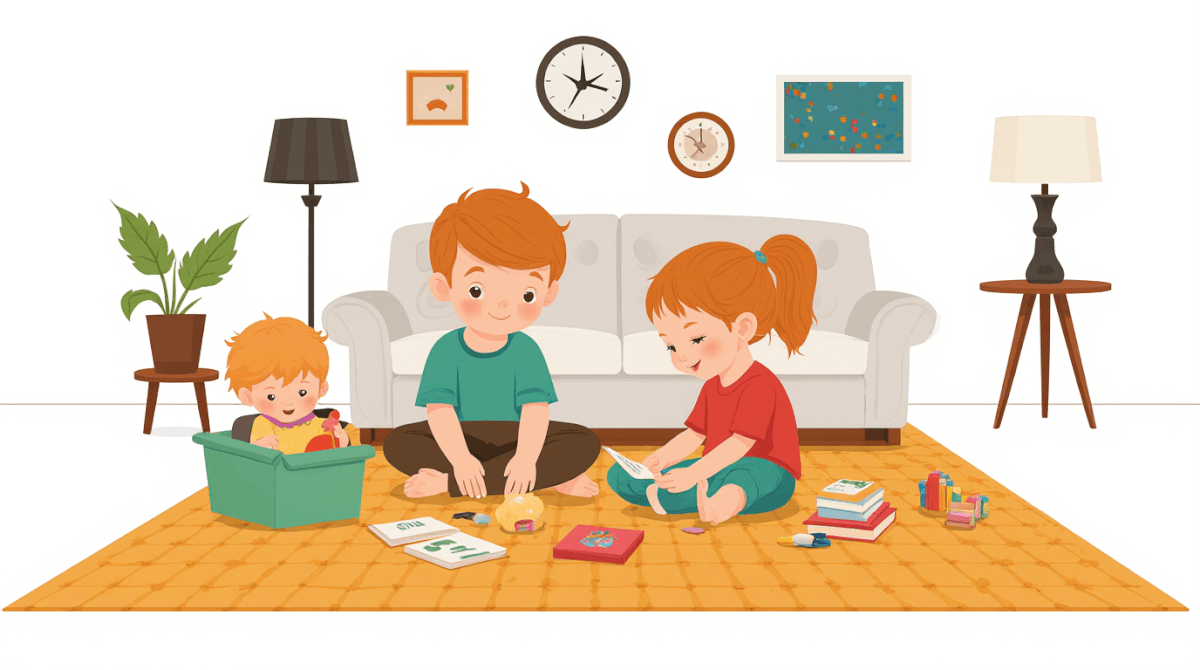
Stability shapes emotional balance through a series of interconnected processes that begin from infancy and continue into adulthood. Emotional balance is the harmonious state where one experiences stability and consistency in their emotions, enabling them to manage stress, navigate relationships, and maintain mental well-being effectively. This essay explores how the environment and early experiences shape this development by examining the role of predictable routines and structured environments in fostering emotional resilience.
From a young age, infants are introduced to the world through interactions with caregivers who provide nurturing, comforting, and consistent care. These interactions form the foundation for developing trust and emotional security. A mother who consistently feeds her infant at regular times creates a sense of predictability that helps the child feel safe and secure. This predictability extends beyond feeding; it encompasses routines such as bedtime stories, playtime, and nap schedules. Such structured environments allow children to anticipate events, understand their world better, and manage their emotions more effectively.
The psychological concept of attachment theory provides insight into how these early experiences influence emotional balance. Attachment theory posits that the quality of a child’s relationship with their primary caregiver impacts their ability to form secure relationships later in life. Children who experience stable, nurturing environments are more likely to develop a secure base from which they can explore and engage with the world. This secure attachment leads to better emotional regulation because children learn to trust their caregivers to respond effectively during times of distress.
Predictable routines contribute significantly to emotional balance by reducing anxiety and stress. A child who knows that each evening involves a bath followed by reading a story and then lights out can anticipate these events. This predictability allows the child’s body to prepare for rest, promoting better sleep quality and emotional stability during waking hours. Chaotic environments or inconsistent routines can lead to heightened anxiety as children struggle to predict and manage their emotions effectively.
Structured environments not only provide emotional security but also promote cognitive development. Regular schedules allow children to develop a sense of order and organization in their lives. This structured approach helps them understand cause-and-effect relationships, which is crucial for developing problem-solving skills and emotional intelligence. If a child consistently receives positive reinforcement when completing tasks on time, they begin to associate effort with success—a critical component of self-efficacy.
Educational settings also play a pivotal role in shaping emotional balance through the implementation of structured environments. Schools that establish clear rules and routines help students feel secure and prepared for learning. These predictable structures enable children to focus on academic tasks without excessive worry about unexpected disruptions, thereby enhancing their overall performance and emotional well-being. A classroom where transitions between activities are smooth and consistent can reduce anxiety among students who might otherwise feel overwhelmed by unpredictability.
The concept of emotional regulation becomes more profound when considering how stability in the environment affects different age groups. In adolescence, peer relationships become increasingly important as young people navigate identity formation and social pressures. Stable friendships and a supportive home environment contribute significantly to adolescents’ ability to manage emotions effectively during this tumultuous period. Consistent interactions with trusted peers and family members provide emotional support and validation, helping teenagers develop resilience in the face of challenges.
In adulthood, the benefits of early stability extend beyond emotional regulation into broader areas such as career success and personal relationships. Adults who grew up in stable environments often exhibit greater self-control and better conflict resolution skills due to their earlier exposure to structured routines and predictable interactions. These qualities are essential for navigating complex social situations and achieving professional goals.
The environment and early experiences play a critical role in shaping emotional balance by fostering predictability through consistent routines and structured settings. From infancy to adulthood, this stability supports the development of emotional security, cognitive skills, and interpersonal relationships. By understanding how these mechanisms influence emotional regulation, we can better appreciate the importance of providing nurturing and predictable environments for all individuals.
References:
1. Bowlby, J. (1969). Attachment and Loss: Vol. 1. Attachment. Basic Books.
2. Siegel, D. J., & Hartzell, M. (2013). The Whole-Brain Child: 12 Revolutionary Strategies to Nurture Your Child’s Developing Mind. Delacorte Press.
Related Reading
– Angela Duckworth — Grit
– Robert Sapolsky — Behave (developmental implications)



