
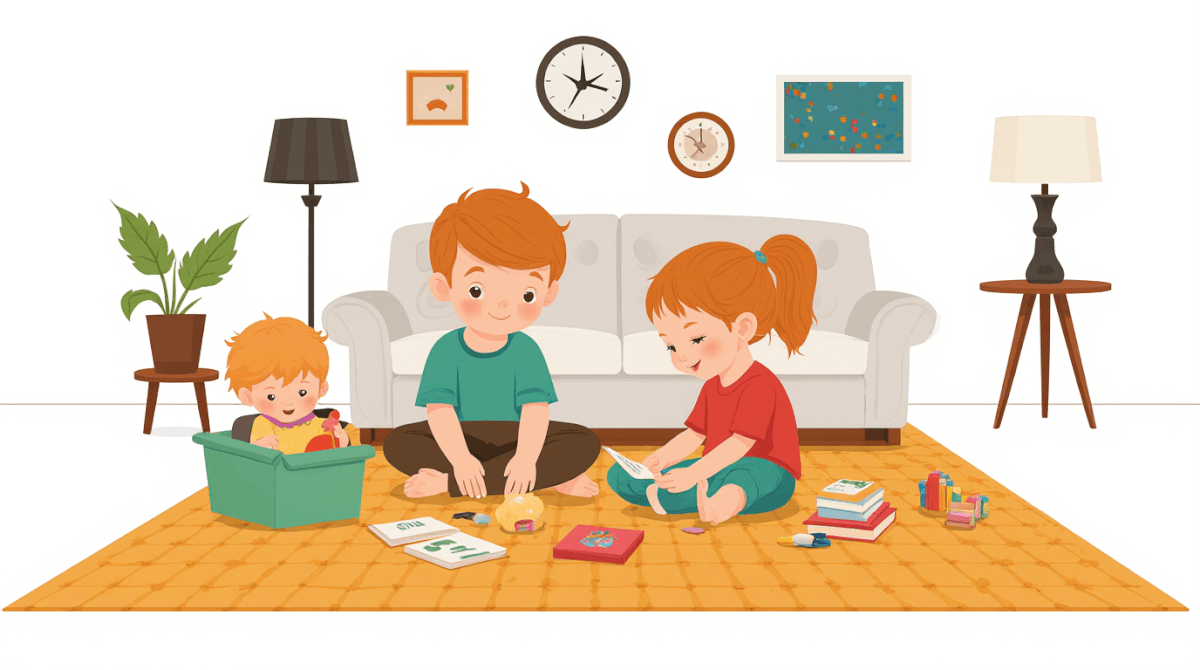
Stability shapes a child’s inner voice through its profound impact on the developing self-concept, emotional regulation, and cognitive resilience. A stable environment provides a secure base from which a child can explore their surroundings, fostering a positive sense of self and healthy coping mechanisms. Instability can lead to confusion, anxiety, and difficulty in forming coherent personal narratives. By examining how consistency in caregiving and physical environments influences these developmental aspects, we gain insight into the complex interplay between stability and a child’s inner voice.
The development of a stable environment begins with consistent care from primary caregivers. These relationships form the early emotional foundations that shape a child’s self-perception and their ability to regulate emotions. When a caregiver consistently responds to an infant’s needs—whether through feeding or comfort during distress—the child learns that their needs are met reliably. This predictability fosters a sense of security and trust, which in turn supports the formation of a positive inner voice.
Emotionally stable environments also provide children with consistent patterns of behavior and interaction. In such settings, children can predict how others will respond to their actions or feelings, leading to better emotional regulation. When a child knows that expressing anger through constructive means is met with understanding and support from caregivers, they are more likely to develop effective coping strategies for managing their emotions. This emotional stability contributes significantly to the development of a resilient inner voice capable of navigating life’s challenges.
Cognitive resilience, another aspect influenced by stable environments, refers to the ability to recover quickly from adversity and maintain psychological well-being. A stable environment allows children to engage in exploration and learning without constant fear or uncertainty. When a child knows they will return home after school to a predictable routine, they are more likely to feel secure enough to take academic risks or explore new hobbies. This sense of security promotes cognitive flexibility and adaptability, essential components of a resilient inner voice.
Stability in the physical environment also plays a crucial role. A stable living space provides a consistent backdrop for daily activities, which helps children establish routines and expectations. Having a designated place for homework or play can reinforce predictability and structure. This predictable environment allows children to focus their energy on learning and development rather than worrying about basic needs, thus enhancing their cognitive function.
The influence of stability extends beyond immediate family to the broader social and cultural context. Consistent community support and norms contribute to overall environmental stability. Schools, provide a stable institution where children can interact with peers and learn social norms. These consistent interactions help shape a child’s understanding of societal expectations and their role within it. This social stability further enriches the development of a coherent inner voice by providing additional layers of support and validation.
It is important to note that while stability is crucial, occasional change can also be beneficial if managed appropriately. Moving to a new home or attending a different school might initially cause disruption but can lead to personal growth when approached with support from caregivers and the community. These transitional experiences can teach children adaptability and resilience, further strengthening their inner voice.
Instability in various forms—such as inconsistent caregiving, frequent changes in living conditions, or unpredictable social interactions—can have detrimental effects on a child’s development. Chronic stress resulting from such disruptions hinders emotional regulation and cognitive function, leading to a fragmented sense of self and an insecure inner voice. Children who experience parental divorce or frequent moves may struggle with forming consistent personal narratives due to the lack of predictable routines.
Stability is a critical factor in shaping a child’s inner voice by influencing their self-concept, emotional regulation, cognitive resilience, and overall well-being. A stable environment provides the secure base necessary for children to explore, learn, and grow into individuals with coherent and resilient inner voices. While occasional changes can be managed positively, sustained instability poses significant challenges that must be carefully addressed through supportive family and community environments.
References:
1. Bowlby, J. (1980). Attachment and Loss: Vol. 1. Attachment. Basic Books.
2. Greenspan, S. I., & Wachs, T. D. (2003). The Growth of the Mind: How play shapes intelligence. HarperCollins Publishers.
Related Reading
– Adele Faber & Elaine Mazlish — How to Talk So Kids Will Listen & Listen So Kids Will Talk
– James Heckman — The Economics of Early Childhood


Be First to Comment