
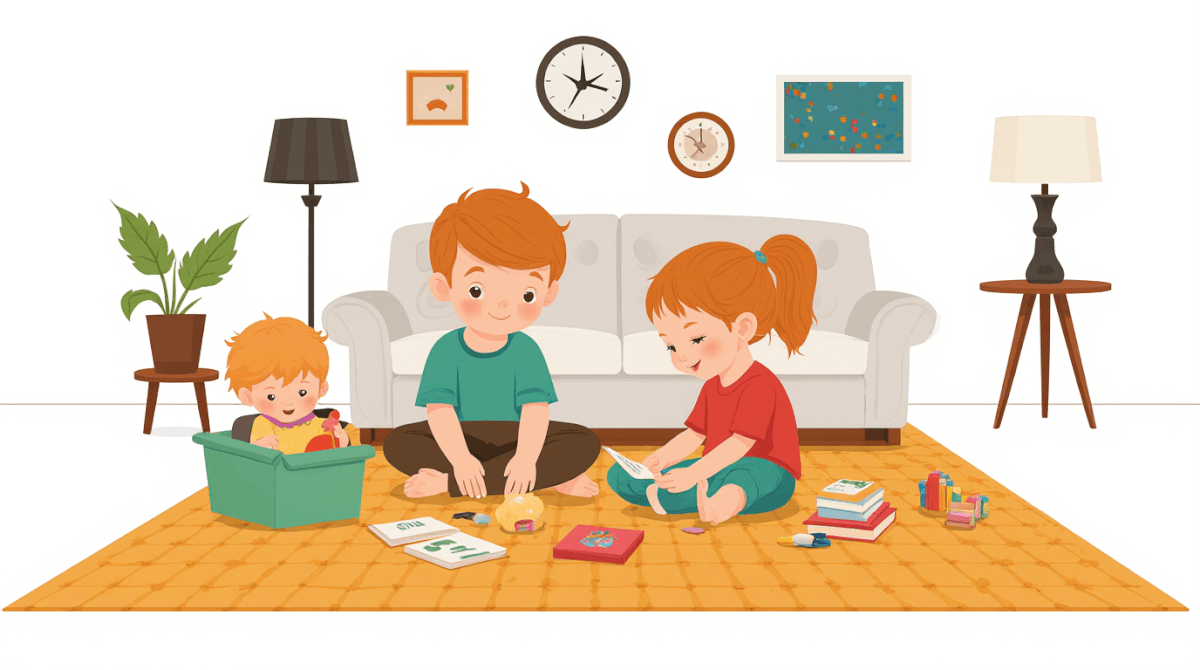
Stability encourages personal strength by providing a consistent and predictable environment that allows individuals to develop resilience, trust, and self-efficacy. A stable setting offers a foundation upon which people can build their character and navigate challenges more effectively. To understand this process, we must examine how stability influences the development of trust, emotional regulation, and problem-solving skills.
In a stable environment, where routines are consistent and expectations are clear, individuals learn to predict outcomes and manage their actions accordingly. This predictability is crucial for developing emotional resilience. Consider a child who grows up in a home with regular meal times, bedtimes, and school schedules. Such a routine helps the child understand that there is order in life, which can translate into better management of emotions and stress. When faced with an unexpected event, such as a change in plans or failure on a test, the child who has experienced stability will be more equipped to handle these situations calmly, knowing that their environment generally remains predictable.
Stability encourages trust, which is essential for forming healthy relationships and making decisions. Trust can be seen as a protective factor against social isolation and loneliness. In stable environments, individuals form strong bonds with family members, friends, and community members. These connections provide support during difficult times and promote a sense of belonging. When a child consistently experiences the unconditional love and support of their parents or caregivers in a stable home, they are more likely to develop trust not only within that family but also outside it. This foundational trust extends into other areas of life, such as making friends at school or participating in extracurricular activities.
The ability to regulate emotions is another key aspect influenced by stability. Children and adults alike benefit from environments where their emotional needs are consistently met. In a stable home, children learn that they can express their feelings without fear of judgment or rejection. This leads to better emotional health as individuals grow older. Imagine a teenager who has been living in an unstable household where emotions are often suppressed or expressed violently. When faced with stressors such as academic pressure or peer conflicts, this individual may struggle to manage their emotions constructively. A teenager growing up in a stable environment is more likely to develop healthy emotional regulation strategies, like seeking support from friends or talking things out with trusted adults.
Stability also plays a critical role in fostering problem-solving skills. In predictable environments, individuals can focus on identifying and addressing challenges rather than constantly worrying about their basic needs or safety. Consider an adult who has experienced consistent financial stability throughout their life. This person is more likely to approach problems methodically, considering various options before making decisions. They may plan ahead for potential issues like job loss or medical emergencies, demonstrating a higher level of self-efficacy and problem-solving capability.
Stable environments provide a space for individuals to explore new ideas and take risks without the constant fear of negative consequences. This exploration is crucial in promoting personal growth and development. A student who has experienced stability in their school environment may feel more confident taking on challenging coursework or participating in extracurricular activities that they might otherwise avoid due to fear of failure. The consistent support and encouragement from teachers and peers in such an environment can significantly boost self-esteem and motivation.
It is important to note that while stability provides a strong foundation, it does not eliminate all challenges. Individuals still face setbacks and obstacles; the predictable nature of their environment allows them to approach these difficulties with more resilience and adaptability. When someone experiences a job loss in a stable home, they may have a support network ready to help them navigate this transition, such as family members who can provide emotional support or financial assistance while they search for new employment.
Individuals growing up in unstable environments often face additional challenges that can hinder their personal growth. Frequent changes in caregivers, inconsistent rules, and unpredictable outcomes can lead to heightened stress levels and lower self-efficacy. These factors may result in difficulty forming trust, managing emotions, or problem-solving effectively. A child who frequently moves between homes due to parental divorce or financial instability might struggle with emotional regulation and trust issues, making it harder for them to form stable relationships outside their home.
The impact of stability extends beyond individual development; it influences social behaviors and interactions. Individuals who have experienced consistent environments are more likely to exhibit empathy, cooperation, and prosocial behavior in their communities. This is because they have developed a sense of trust and predictability that allows them to form stronger bonds with others. In neighborhoods where community members know each other through regular interaction and shared experiences, people are more likely to engage in volunteer work or participate in local events, fostering a sense of unity and mutual support.
Stability encourages personal strength by providing a consistent foundation upon which individuals can develop resilience, trust, emotional regulation, and problem-solving skills. This environment allows for the exploration of new ideas and taking risks, while also preparing individuals to face challenges with greater confidence and adaptability. While stable environments do not guarantee success, they offer a significant advantage in promoting overall well-being and personal growth. As society continues to evolve, it is crucial to recognize the importance of stability in fostering strong, resilient individuals who can contribute positively to their communities.
\* \* \*
References:
– Berry, D. (2015). *Resilience: The Science of Mastering Life’s Greatest Challenges*. Basic Books.
– Masten, A. S., & Wright, R. A. (2018). Resilience in development: Contextual perspectives on the psychobiosocial construction of positive outcomes. In *Handbook of Developmental Psychopathology* (pp. 437-456). Springer.
Related Reading
– Mihaly Csikszentmihalyi — Flow (applied to childhood development)
– Laurence Steinberg — Age of Opportunity


Be First to Comment