
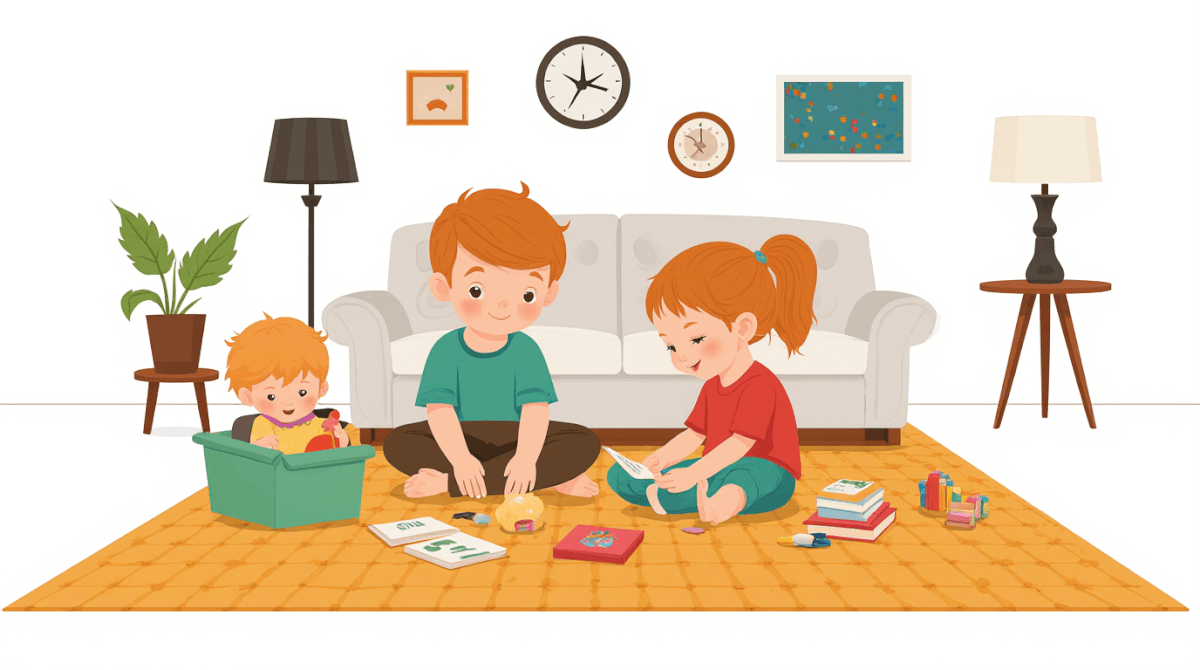
Stability encourages healthy development by providing a consistent framework that allows individuals to form secure attachments, build resilience, and explore their environment with confidence. This stability is not merely about the absence of change but about the predictability and continuity it offers, which are crucial for psychological well-being. A stable home or community environment can serve as a sanctuary where children learn to trust and understand the world around them. Instability can lead to feelings of insecurity and unpredictability that may hinder development.
One specific mechanism through which stability fosters healthy development is by facilitating secure attachment between caregivers and children. Secure attachments are foundational for emotional regulation, social competence, and cognitive growth. When a child experiences consistent care and responsiveness from their primary caregiver, they develop a sense of safety and predictability. When a baby cries at bedtime and the parent consistently comforts them until they fall asleep, the child learns that their needs will be met reliably. This repeated experience helps the child form an internal working model—a psychological representation—that fosters trust in both themselves and others.
The process of secure attachment is crucial because it sets the stage for future relationships. Children who have developed a secure base with their caregivers are better equipped to explore their environment and engage with peers, knowing that they can return to a source of comfort if needed. When children play at school or participate in group activities, having a stable home life allows them to approach these new experiences with greater confidence. They know that even if the day is challenging, they have someone who will be there for them afterward. This sense of security and trust translates into more positive social interactions and better emotional regulation skills.
Stability also plays a significant role in building resilience. Resilience refers to an individual’s ability to recover from setbacks or adversity. Children who grow up in stable environments are exposed to fewer stressors and can develop effective coping mechanisms early on. If a child experiences a minor disagreement with a friend at school but knows that their parents will listen and offer support when they return home, this experience helps them manage the situation more effectively. Over time, these repeated exposures to manageable challenges allow children to build a mental reserve of resources that can be drawn upon during times of stress.
Unstable environments can overwhelm a child’s ability to cope with new or difficult situations. When parents are frequently absent due to work demands or personal issues, the predictability required for secure attachment is disrupted. The child may experience inconsistency in their caregiver’s availability and responsiveness, which can lead to feelings of abandonment or neglect. This lack of consistency can hinder the development of trust and emotional regulation skills. If a child does not know when they will receive comfort from their parent due to unpredictable work schedules, they may become more anxious and less confident in their ability to manage stressful situations.
It is also important to consider how stable environments influence cognitive development. Cognitive skills such as problem-solving, critical thinking, and creativity require a secure base from which children can explore and engage with the world around them. When children are exposed to consistent routines and expectations, they have the opportunity to focus on learning and exploration without constant worry about their basic needs being met. If a child knows that they will be fed at specific times each day, they can use their energy for play and learning rather than focusing on when or how much food is available.
Stability in the social and cultural contexts also plays a vital role in shaping healthy development. Stable communities with strong support systems provide children with a broader network of relationships that can offer additional forms of security and guidance. If a child’s school consistently offers after-school programs and mentorship opportunities, they are more likely to develop a sense of belonging and purpose. These stable social structures help reinforce the lessons learned at home and contribute to overall well-being.
Stability is a critical component in fostering healthy development by facilitating secure attachment, building resilience, and supporting cognitive growth. The predictability and continuity it provides create a safe space for children to explore their environment and develop essential life skills. While instability can disrupt these processes, creating environments that prioritize consistency and support can significantly enhance children’s ability to navigate the challenges of growing up with confidence and security.


Be First to Comment